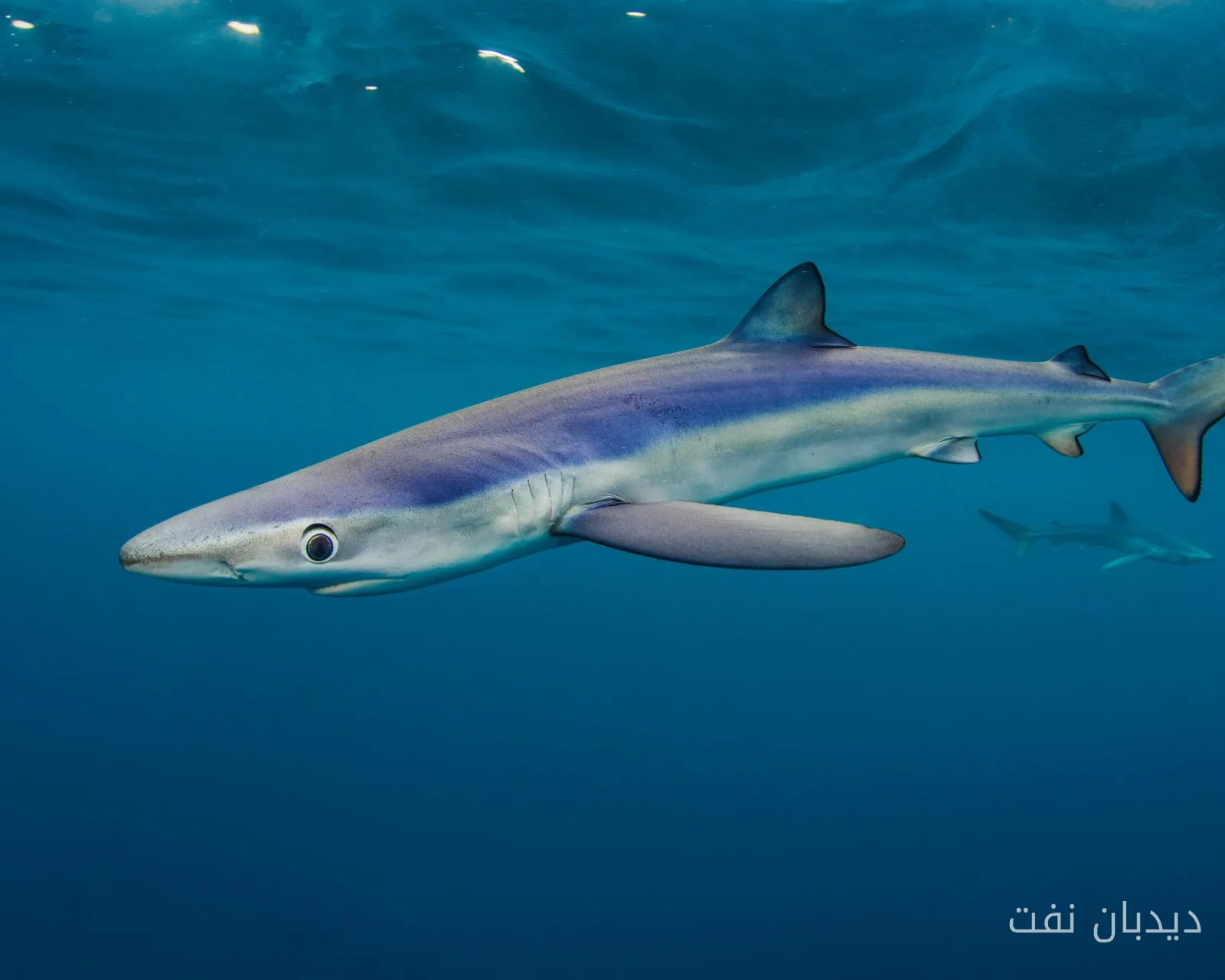
In the depths of Britain's waters, there are sharks that few people know about. These creatures, with their attractive appearance and unusual behaviors, are now the focus of researchers. A new project led by Dr. Lucy Hawkes, a professor at the University of Exeter, has begun to study the lives of three species of the most vulnerable sharks in the country.
Fascinating and Unknown Sharks
Dr. Hawkes enthusiastically talks about the "Porbeagle," "Thresher," and "Blue Shark," stating, "We have some very interesting sharks." She specifically mentions the Porbeagle shark, which resembles the great white shark. While seeing these sharks in British waters may frighten some surfers and swimmers, Dr. Hawkes emphasizes that these creatures are not dangerous.
With growing concerns about the status of these marine species, collaboration between researchers and fishermen to gather information and improve the living conditions of these sharks seems essential. Local fishermen have been recognized as key resources in this project, as their experience can contribute to a better understanding of the behavior and demographics of these species.
Protecting Marine Ecosystems
This project not only collects data about these specific species but also aims to raise public awareness about the importance of protecting marine ecosystems. As many marine species are on the brink of extinction, a deeper understanding of their lives can aid in the conservation of these species and their habitats.
With the approval of this project, hopes for the preservation and revival of shark populations in Britain have increased. It seems that these joint efforts could help change public attitudes towards these creatures and their importance in the marine food chain.