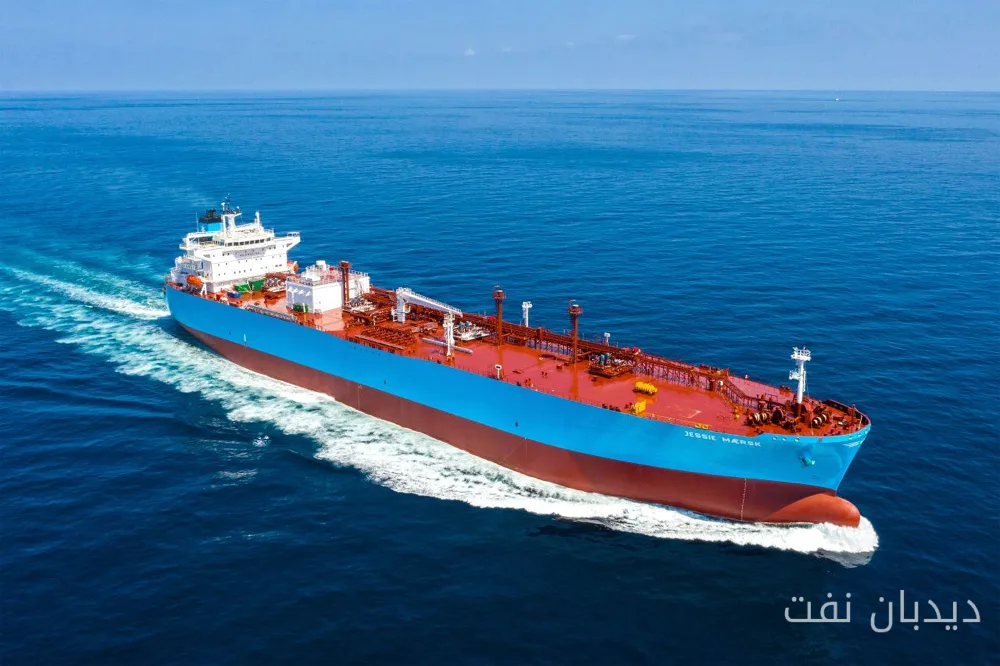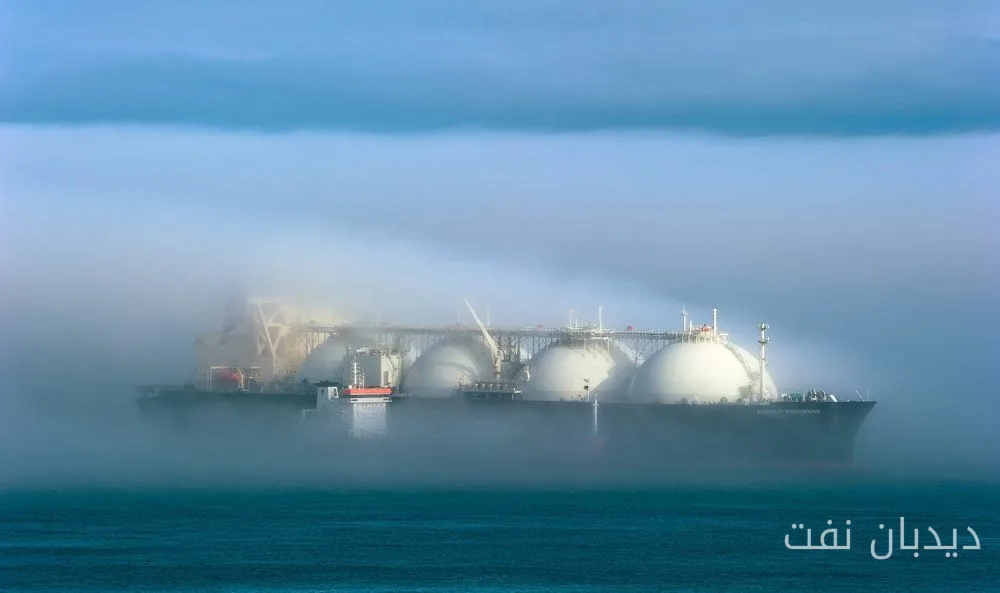
New research indicates that the cost of building a nuclear LNG tanker is roughly 2.5 times higher than that of conventional tankers. This study, which examines a 174,000 cubic meter tanker with a High-Temperature Gas Reactor (HTGR), analyzes the economic impacts of this type of tanker over its operational lifespan.
High Initial Costs and Fuel Savings
The research presented at the Gastech 2026 conference was conducted in collaboration with companies ABS, Blossom Energy, and an anonymous global shipping company. The study compares nuclear designs with conventional tankers and examines layouts, propulsion systems, and operational conditions in various scenarios. The biggest challenge facing nuclear design is its high initial construction cost, which is estimated to be nearly 2.5 times that of a conventional tanker.
Read more: Boscalis Signs Cable Installation Contract at Zewonk Wind Farm Worth 150 Million Euros
However, the study notes that the nuclear reactor could significantly reduce fuel costs, which could improve the economics of these tankers over their operational lifespan. Additionally, the research suggests that the reactor could be considered a long-term energy asset that could be transferred to another tanker after the operational life of one tanker ends, thereby increasing its residual value.
Design Changes and Operational Challenges
Previous research conducted by ABS and Herbert Engineering in 2024 examined the integration of an HTGR into a 145,000 cubic meter tanker. This study addressed heat and energy management, protection, weight distribution, and design challenges, showing that a tanker with a nuclear reactor could operate without burning conventional fuel. Furthermore, the reactor design requires significant changes to the tanker’s structure, including placing the reactor at the rear of the tanker and reinforcing parts of the hull.
Last year, the Korea Atomic Energy Research Institute and Samsung Heavy Industries obtained initial approval for a small modular molten salt reactor LNG tanker. This design is such that it can operate for the entire operational life of the tanker without the need for fuel replacement.
Given the increasing interest in nuclear shipping as an alternative to conventional fuels and stricter requirements regarding greenhouse gas emissions, the number of studies and conceptual approvals in this field is on the rise. However, the commercial deployment of this technology still faces significant challenges, including regulatory issues, safety, access to ports, and public acceptance.
This study discusses new debates about whether the high cost of building a nuclear tanker can be offset by long-term fuel savings and could overall contribute to a shift in the economics of commercial shipping.
Read more: Kongsberg Maritime Delivers Underwater Docking System and AUV Storage · Akrotiri Tankers Places Second Order for Suezmax Tanker