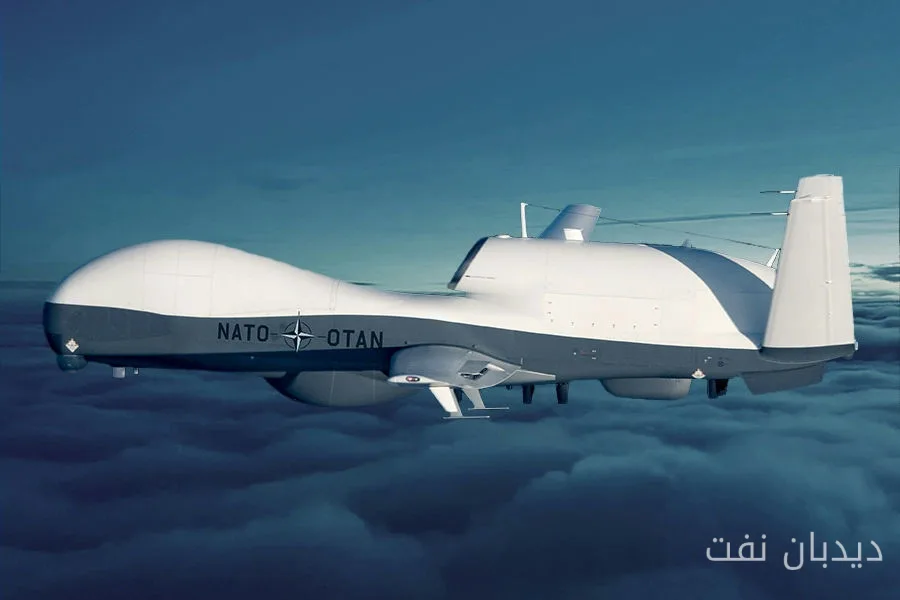
NATO has decided to enhance oversight of the Black Sea following recent attacks on commercial vessels off the coasts of Bulgaria and Romania. On October 20, the North Atlantic Council announced its agreement to strengthen military presence in the region in response to requests from Bulgarian and Romanian officials.
Increased Hybrid Activities by Russia
NATO officials addressed concerns regarding the increase in hybrid activities by Russia during their meetings on October 15 and 16 in Bucharest, Romania, and discussed the consequences of these activities. These concerns include sabotage, drone-related incidents, and cyberattacks. Romania has reported that this year, it has recorded 35 cases of unauthorized drone entries, a significant increase from 9 cases in the entire year of 2025.
Read more: FERC presents a new plan to facilitate LNG project licensing
New Weapons and Security Measures
Radu Mircea, the Minister of Defense of Romania, has announced that the downed drones are likely of the latest generation of Russian drones that fly at speeds similar to jets. He noted that these drones fly at speeds of about 280 miles per hour, indicating the potential use of Russian-made drones known as Geran-4.
Nicusor Dan, the President of Romania, has described the situation as serious and stated that commercial vessels near the coasts of Romania and Bulgaria have been attacked, resulting in several sailors being killed, injured, or missing. He has called for an immediate halt to these attacks.
Currently, both Romania and Bulgaria have refrained from commenting on the source of the attacks on seven commercial vessels in recent days, which have resulted in at least 23 sailors being killed and several ships sinking. However, Bulgaria has reported that it has been able to find pieces from one of the drone attacks and is analyzing its chemical remnants.
NATO officials have stated that in addition to strengthening oversight, intelligence teams and technical experts will also be dispatched to the region to analyze the explosions. Furthermore, new drone systems have been implemented to enhance surveillance in the Black Sea. Reports also indicate that U.S. Poseidon surveillance aircraft have been deployed in the area to provide early warning.
A NATO spokesperson has stated that the organization has previously strengthened its position in the eastern flank and improved its capabilities to counter drones. Under the new agreement, NATO will send additional equipment, including maritime patrol aircraft, radar systems, and drones.
Read more: Iran intensifies maritime attacks on 24 oil tankers in the Strait of Hormuz · Drone attacks on two commercial vessels in the Black Sea and the disappearance of 11 sailors