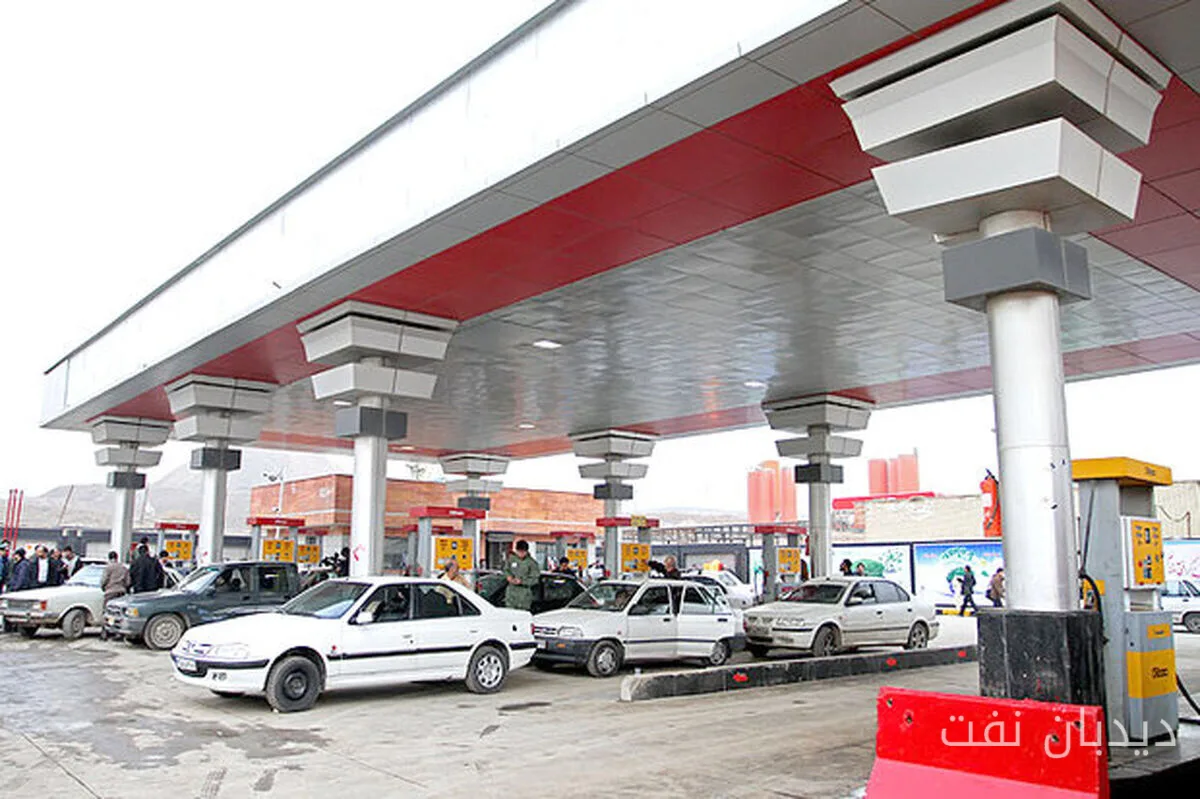
The National Iranian Oil Products Distribution Company has successfully launched the pilot phase of the emergency card transaction identification scheme at 100 selected stations in the capital, registering over 735,000 confirmed transactions within a week. This scheme promises a transformation in the data-driven structure of the country's smart fuel system.
Transformation in the Smart Fuel System Structure
For over two decades, emergency cards have been used as a means to prevent disruption in vehicle movement without a personal card. However, this system has created a ground for systematic abuses and organized smuggling due to the unknown identity of the product recipient and the lack of connection between refueling and the physical identity of the vehicle. With the unveiling of the emergency card identification scheme, this information gap will be structurally closed.
Read more: Oil tanker shipment on the way to Asia with new sanctions
In this scheme, the digital identity of each refueling is linked to a unique token, and pumps will only be authorized to dispense products when a confirmation code from the system has been issued. This action transforms the distribution structure from a non-transparent model to a data-driven and traceable pattern.
Pilot Performance and Significant Results
Official data from the performance of this scheme in Tehran indicates the readiness of infrastructure and user acceptance. In the first 7 days, over 845,000 token inquiries were registered, leading to 735,000 successful transactions. This success rate of over 87 percent indicates the efficiency and capacity of the new communication infrastructure.
With the establishment of this system, a transparent mechanism is created that allows citizens to use existing quotas without worrying about losing their rights. This scheme enables households to keep the reserved quotas of their smart cards for specific uses and prevents the cost shock resulting from gasoline shortages.
The identification of transactions also eliminates any unrealistic and unconventional transactions and, by imposing a daily withdrawal limit and monitoring license plate recognition cameras, reduces the opportunities for intermediaries to exploit the system. These measures can significantly prevent the waste of national resources.
Future Steps and Scheme Expansion
Expanding this scheme to 3,500 fuel stations across 31 provinces requires technical support and infrastructure upgrades. This action not only helps in regulating product balances but can also lead to controlling fuel smuggling in border areas.
The National Iranian Oil Products Distribution Company aims to create a transformation in fuel consumption management and protect national resources with this scheme. With these actions, it is hoped that the processes related to refueling will proceed in an optimal and legal manner.
Read more: Oil tanker shipments respond to new sanctions · Pilot implementation of the fuel quota transfer scheme to bank cards in five provinces



