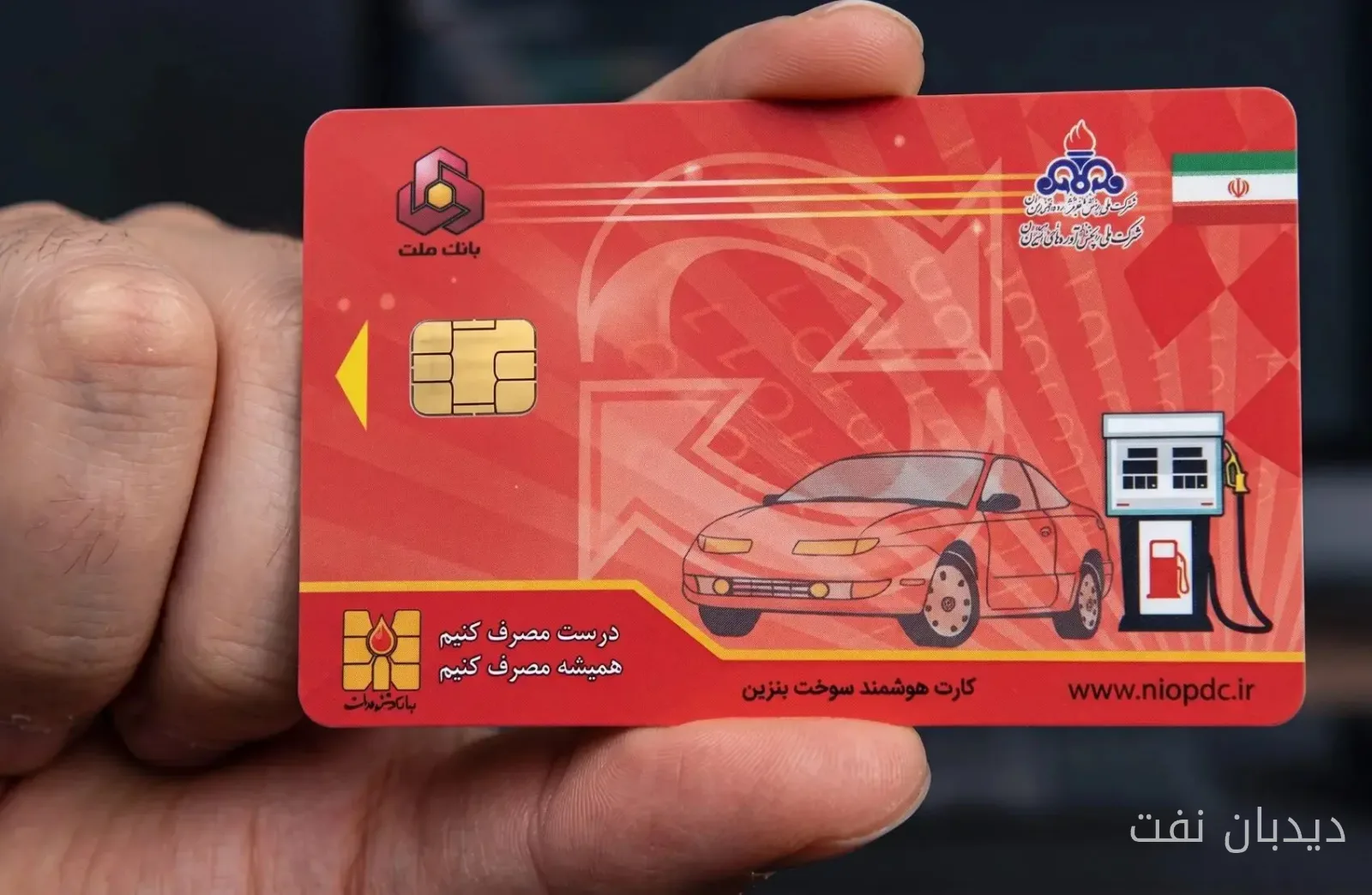
The pilot implementation of the fuel quota transfer to bank cards will take place in five provinces including Tehran, Alborz, Qazvin, Qom, Semnan, and Hamadan. Reza Navaz, the spokesperson for the country's fuel station sector, provided explanations regarding this matter and emphasized the importance of addressing the problems and demands of station owners.
Addressing the Problems of Station Owners
Navaz pointed out that fuel stations are currently providing services to the public, stating that the longer the processes related to their operations take, the more problems and troubles will arise for them. He emphasized that addressing issues and reflecting the problems of the public and station owners is the duty of this sector, and they will continue in this direction.
He also referred to some issues being pursued and said: "Issues related to refueling motorcycles and the disconnection and reconnection of some bank cards at stations are among the matters we are currently addressing." Navaz added that discussions need to be held with the Central Bank regarding the disruptions of some bank cards to inquire about the reasons for these problems.
How the Fuel Quota Transfer Plan Will Be Implemented
The spokesperson for the country's fuel station sector explained how the fuel quota transfer plan to bank cards will be executed: "In this plan, the individual first inserts their fuel card into the device, and after refueling, swipes their bank card, then by entering the desired amount of liters, the payment is calculated based on the individual's quota and is completed."
Navaz also spoke about the impact of these actions on reducing fuel smuggling, stating that organized smuggling is a matter beyond the use of free fuel cards and cannot be limited to just this issue.
He further added that given the limitations in the production and supply of petroleum products and the intensity of consumption in the country, the responsibility for supplying and providing fuel lies with the companies under the Ministry of Oil. This responsibility becomes more apparent when queues form at stations.
Navaz also referred to the criticisms raised in the public space, saying: "Unfortunately, in some cases, the market for issues related to fuel stations heats up, and we see that some officials and experts pursue their political and factional settlements in this regard."
He emphasized that the staff at the stations did not abandon their duties during times of war and under severe attacks, continuing to provide services. The performance of these employees should be acknowledged, and their efforts should not be overlooked. Additionally, Navaz noted that the rate of violations at fuel stations is very low compared to the volume of services provided.



