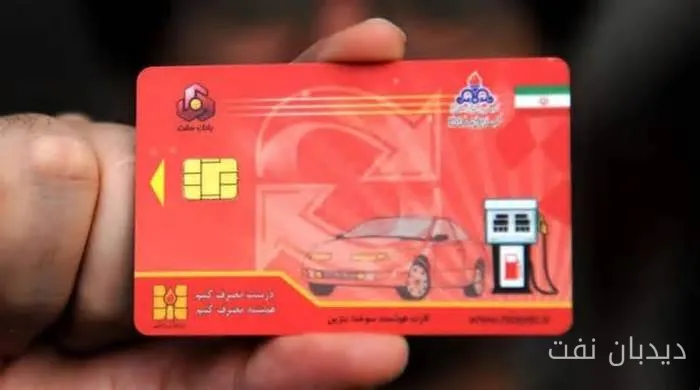
Mousa Ahmadi, a member of the Energy Commission of the Parliament, recently announced the implementation of the final phase of the smart fuel management plan in the country. This plan aims to improve the refueling process and reduce public dissatisfaction, and it has been decided that bank cards will be used as the main tool for refueling at stations.
Details of the Smart Fuel Management Plan
The smart fuel management plan, designed to optimize fuel consumption and prevent potential violations in this area, includes fundamental changes in the refueling process. In this plan, the use of bank cards instead of free station cards is on the agenda, allowing individuals to refuel at any station with their bank card.
Read more: The suspension of oil loading at Yanbu terminal in Saudi Arabia affects the global oil market
Mousa Ahmadi emphasized that this plan does not mean a reduction in quotas or an increase in gasoline prices, stating: "This action is aimed at reducing dissatisfaction and improving refueling conditions, and it will not change prices." He also mentioned that this plan will soon be implemented at all fuel stations across the country.
The Future of Fuel Cards and Its Impacts
With the implementation of this plan, fuel cards, which have so far been used as a tool for monitoring fuel consumption, may gradually be phased out. This change could revolutionize the way fuel consumption is monitored and also bring greater transparency to this area. According to existing statistics, the use of bank cards can help reduce waiting times and increase service speed at fuel stations.
Ahmadi also pointed out that this plan is part of the country's macro policies aimed at improving energy resource management and reducing fuel waste. On the other hand, this action could also facilitate financial and administrative processes related to refueling.
Given these changes, it is expected that people will gradually become familiar with this plan and that the refueling process will become easier and faster for them. This could lead to improved economic conditions in the country and reduced public costs in the long term.
Read more: Five contracts worth $13.6 billion for the development of oil and gas fields have been signed · The date and route of the sanctioned Iranian oil tanker shipment have been determined