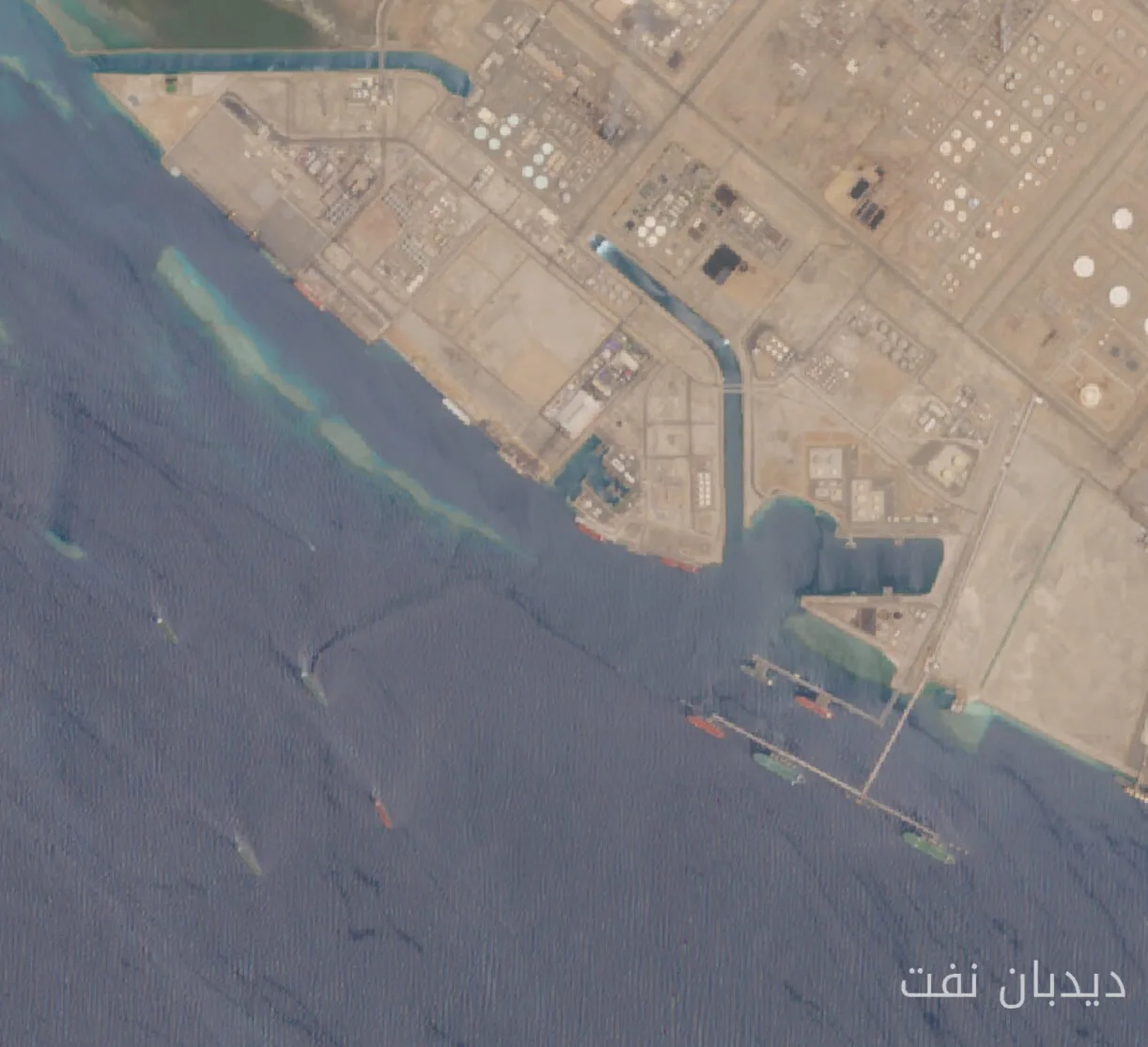
The suspension of oil loading at Saudi Arabia's Yanbu terminal, one of the main loading terminals in the Red Sea, has drawn significant attention from global oil markets due to damage caused by recent attacks on the country's East-West pipeline. This terminal previously loaded an average of about four million barrels of oil per day, equivalent to nearly four percent of total global oil supply.
Details of the Damage to the East-West Pipeline
Investigations and satellite images indicate significant damage at three different pumping stations along the East-West pipeline route. This damage, due to recent attacks on the pipeline, has halted oil transfer activities, and estimates suggest that repairs may take between three to five weeks. This situation has raised concerns in the global oil market and significantly impacted prices.
Read more: The date and route of the sanctioned Iranian oil tanker have been determined
Impact of the Suspension on the Oil Market
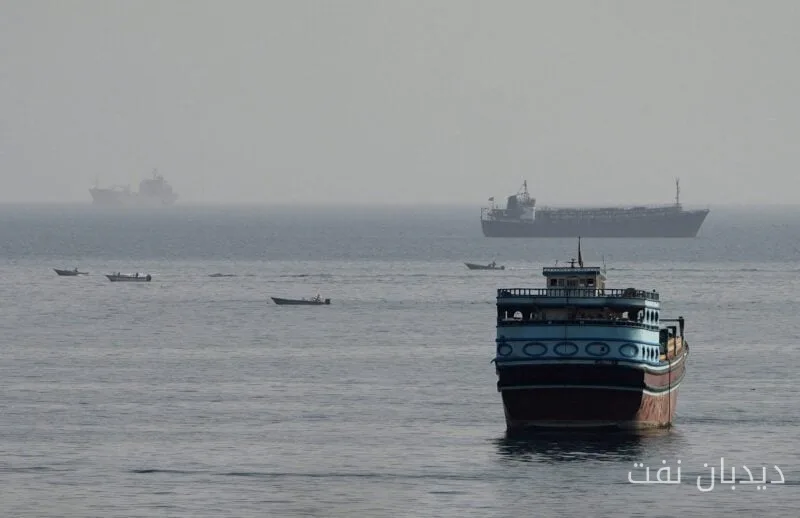
Given that the Yanbu terminal is recognized as a primary oil export source for Saudi Arabia, the suspension of loading at this terminal means a reduction in oil supply to international markets. However, Saudi Arabia may be able to increase its oil exports through other routes to compensate for this supply reduction. Recent evidence indicates increased tanker activity in Omani waters and also an increase in ship-to-ship (STS) oil transfers in the region.
Meanwhile, European markets, which traditionally sourced Arab oil from closer terminals, are now facing new challenges in securing their oil supply. Given the market conditions and rising transportation costs, European buyers are forced to seek oil from farther sources and pay higher prices.
The Situation of the Libyan Oil Market and Its Impacts
In addition to Saudi Arabia's issues, new disruptions in Libya could also exert further pressure on global oil prices. According to published reports, a dispute with security forces in Libya has led to the closure of a key pipeline, negatively impacting the loading and production of oil in the country. This situation could affect the balance of supply and demand in the global oil market and likely put further pressure on prices.
Ultimately, the suspension of oil loading at Saudi Arabia's Yanbu terminal and disruptions in Libyan production, as two significant factors, could lead to increased volatility in global oil prices and impact the market. These developments require careful and continuous monitoring by analysts and investors in the oil market.
Read more: ADES has completed the acquisition of Saudi offshore drilling business Sapem · Iranian oil tanker cargo on a new route after sanctions