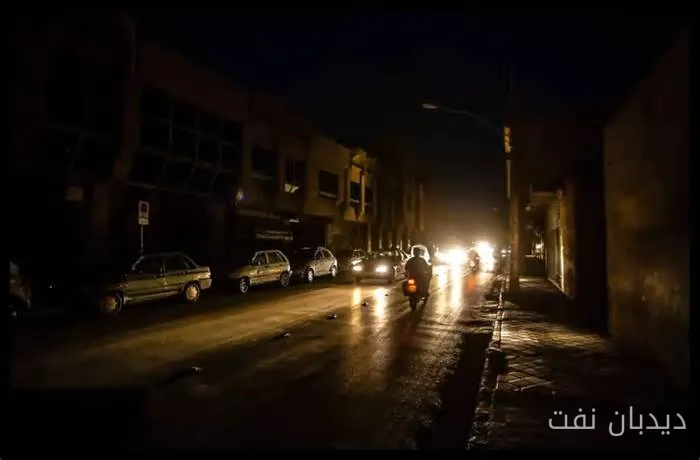
The survey results from the ISPA Institute indicate that more than 66% of Iranian citizens are concerned about energy shortages and the potential for rationing. This statistic reflects a serious crisis in the country's energy sector, which could have significant social and economic impacts.
Public Concerns about Energy Shortages
In this survey, the majority of respondents pointed out that with the continuation of the current situation, there is a possibility of energy rationing in the country. This issue not only negatively affects the daily lives of citizens but could also lead to social and economic dissatisfaction. Additionally, concerns about negative impacts on production and industry further exacerbate this issue.
Read more: The government, a pioneer in reforming consumption patterns in the country
Economic and Social Dimensions of the Energy Crisis
The energy crisis in Iran could have widespread repercussions. Energy shortages could lead to increased production costs, reduced quality of life, and even social protests. Furthermore, this crisis will negatively impact the country's development programs and foreign investment attraction. Given Iran's heavy reliance on energy, these concerns must be prioritized in government policymaking.
Overall, the results of this survey reflect a bitter reality for Iranian society that requires immediate attention and action from officials. Ignoring this crisis could have dire consequences for the country's future.
Read more: Free distribution of CNG; a transformative incentive or a fragile remedy for gasoline imbalance? · Pezeshkian and controversial plans for the fuel crisis; winter remote work is on the way!