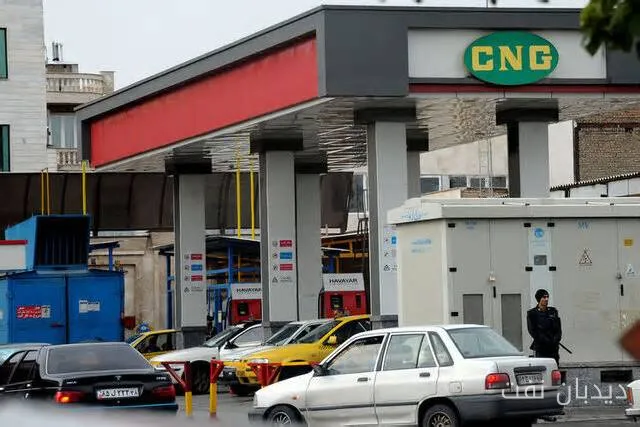
The rapid increase in gasoline consumption across the country, especially during peak traffic days, has posed serious challenges for policymakers in the energy sector. In this context, the decision to distribute free CNG appears as a transformative incentive or a fragile painkiller for gasoline imbalance. Can this measure meet the growing demand for fuel, or is it just a temporary fix?
Current Challenges and Possible Solutions
Past experiences have shown that whenever we have been forced to make urgent decisions due to rising consumption, the consequences have often been far worse than the problem itself. Free CNG distribution may serve as a short-term solution to alleviate pressure on gasoline, but will this measure be effective in the long run?
As gasoline demand has reached 135 million liters during peak traffic days, the question arises whether the necessary infrastructure for CNG distribution has been sufficiently developed. Meanwhile, many experts believe that developing CNG infrastructure requires significant and time-consuming investments.
Looking to the Future: Opportunities and Threats
Free CNG distribution could be an opportunity to reduce dependence on gasoline, but at the same time, it may lead to a new dependency on CNG. If not managed properly, it could spark a new crisis in the energy sector. For example, could this measure lead to the creation of a new market for CNG, or will it merely increase demand for it?
Ultimately, the questions raised in this regard require precise answers and comprehensive planning. In a situation where the energy market faces numerous challenges, can free CNG distribution be recognized as a sustainable and effective solution?