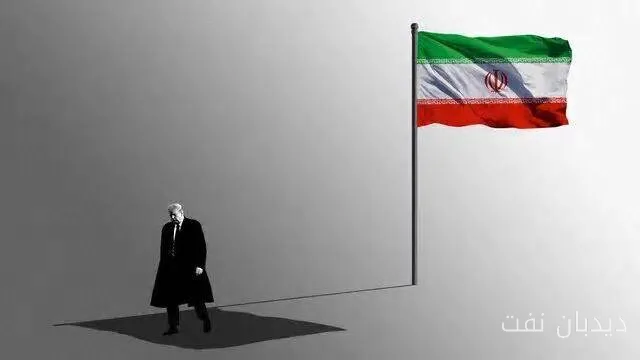
Mohsen Rezaei, Iran's security official, announced Tehran's new conditions for returning to negotiations with the United States in an interview. These conditions have been put forward following increased regional tensions and the risk of escalating conflicts. Rezaei stated that these conditions have been communicated to Washington through Qatari mediators.
Iran's New Conditions for Ending the War
In this interview, Rezaei referred to Tehran's conditions, which include ending the war on all fronts, especially in Lebanon, and the release of billions of dollars from Iran's frozen assets. According to him, accepting these conditions would be in Washington's interest, and Trump's threats will yield no results. He also emphasized Iran's readiness to continue the conflicts, stating: "We are prepared for a decisive war."
Read more: Turkey presented a draft peace plan to end maritime attacks in the Black Sea
Despite the cessation of full-scale battles between the two sides, there are no signs of Tehran and Washington moving closer to a peace agreement. The memorandum signed between Iran and the United States on June 17 expired last month, and since then, attacks, especially around the Strait of Hormuz, have increased.
Iran's Dual Message
Journalists operating in Tehran consider Rezaei's statements to be part of Iran's dual message throughout the war. This message emphasizes readiness for diplomacy on one hand and continued readiness for war on the other. Iran's new conditions bear a strong resemblance to Tehran's demands in the June memorandum, which included ending the war and mutual respect for the sovereignty of both parties.
Rezaei also stated regarding the Strait of Hormuz that this waterway will remain closed until the United States fulfills its commitments. Mohammad Baqer Qalibaf, the Speaker of Iran's Parliament, has also emphasized this position, stating: "As long as these conditions are not met, there will be no possibility of returning to the previous state of negotiations."
While Rezaei did not mention the issue of war reparations in his recent interview, researchers have pointed out that the main difference in the content of Iran's demands is not the demands themselves, but rather the timing and channel that Tehran has chosen to convey these conditions. Following the failure of the Islamabad memorandum, Iran is attempting to shift the responsibility for the continuation of the process to Washington.
Rezaei also rejected the U.S. accusation of Iran violating the memorandum by attacking a tanker in the Strait of Hormuz, stating: "Iran's actions occurred only after the U.S. attacks on Bandar Abbas and an Iranian monitoring platform in the region." He emphasized that any agreement should be pursued through the dispute resolution committee agreed upon by the negotiators of both sides.
Read more: Mohsen Rezaei announced Iran's conditions for the U.S. · Development of economic relations between Iran and Turkmenistan focused on energy and transit



