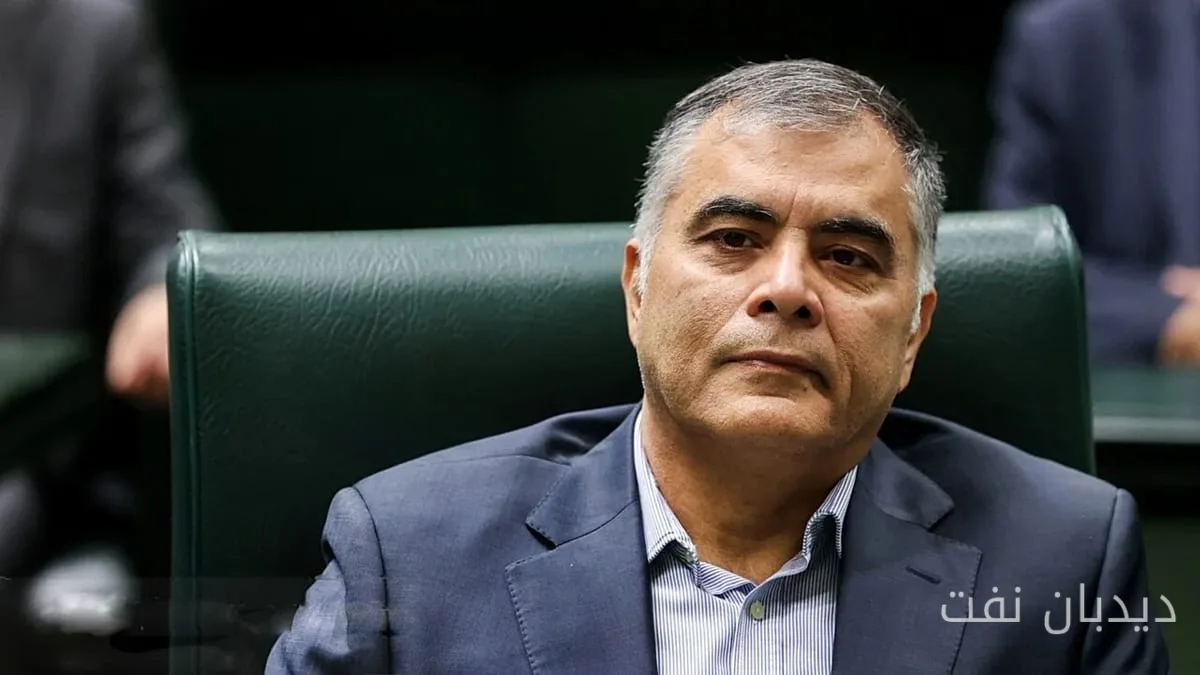
Mohsen Paknejad, Iran's Oil Minister, stepped down after his resignation was accepted by Masoud Pezeshkian, the President of Iran. Mehdi Tabatabai, the Deputy for Communications and Information at the President's Office, announced that Hamid Bord has been appointed as the acting Minister of Oil.
Reasons for Resignation and Management Changes
Tabatabai wrote on the social media platform X that Mr. Paknejad submitted his resignation due to personal issues and following his repeated requests. In light of his new insistence, Mr. Pezeshkian appointed Hamid Bord as the acting Minister of Oil based on Article 135 of the Constitution.
Read more: Timely fuel supply and combating oil product smuggling in Fars is being pursued
Ali Qalehki, a principlist media activist, stated regarding this resignation that the government had decided to change the Oil Minister for over a year and intended to remove Paknejad from the government after Pezeshkian's return from New York. This indicates the existence of disagreements and managerial pressures at high levels of the government.
Iran's Oil Exports and Sanctions
At the time Mr. Paknejad's resignation was announced, Iran's economy was under severe pressure due to war and U.S. sanctions. The U.S. Treasury Department placed Mohsen Paknejad on the sanctions list on March 13, 2025, claiming that he allocated billions of dollars of oil for export to the Iranian armed forces.
Sanctions and the maritime blockade of Iran's ports have severely disrupted the country's oil exports. Scott Basset, the U.S. Treasury Secretary, announced that in September, Iran did not load any crude oil onto tankers. This news is seen as a sign of increased economic pressures on the Iranian regime.
These developments occur while oil exports from other Gulf countries have increased using alternative arrangements and actions by the U.S. military. Data from Kpler shows that Iran's oil exports have drastically decreased, dropping from daily loadings of 220,000 to 255,000 barrels in August to zero in September.
In July, Iran was loading about 740,000 barrels of oil daily, and this figure was around two million barrels per day the month before. These changes in oil loadings reflect the direct impact of sanctions and maritime blockades on Iran's oil exports.
Masoud Pezeshkian, the President of Iran, confirmed in August that disruptions in oil exports were due to the maritime blockade, stating, "We used to sell oil, now we cannot sell it." These remarks indicate the peak of economic and political pressure on the Iranian government.
Read more: Sanctioned oil shipment en route from Iran to China · National Iranian Gas Company: Nationwide gas outage not announced for Sunday, October 12, 1405



