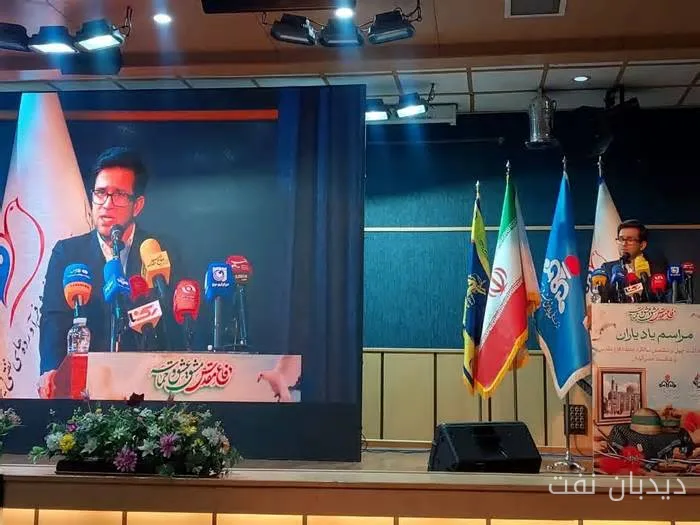
Mohammad Sadegh Azimi Far, Deputy Minister of Oil, highlighted the importance of energy infrastructure during the recent war, detailing the enemy's attacks on oil and gas facilities. He emphasized that the war has been significant, particularly regarding attacks on the country's energy infrastructure and its geopolitical implications for global energy security.
Attacks on Oil Facilities
Azimi Far stated that multiple facilities in the refining and distribution chain were targeted in this war, and the refining industry was one of the first sectors to suffer damage. He mentioned the attack on oil depots in Tehran and Alborz, saying: the enemy's goal was to disrupt the country's fuel distribution chain and create disorder in people's lives.
Read more: The oil tanker moved towards the Mediterranean port with an oil cargo
He further referred to the Israeli army's announcement on the night of the attack, claiming that depots linked to the armed forces had been targeted. However, Azimi Far explained that these depots were responsible for supplying and distributing over 30 million liters of fuel in the provinces of Tehran and Alborz.
Relentless Efforts of Employees
The CEO of the National Iranian Oil Refining and Distribution Company noted the dedication of the employees in this industry during the crisis, stating that in these two wars, the refining and distribution industry has sacrificed seven martyrs. He mentioned the names of some of these martyrs, saying: these martyrs were killed while carrying out their missions.
Azimi Far also pointed to the restrictions imposed during the war, stating: the U.S. Treasury Secretary had predicted that a gasoline famine would soon occur in Iran. However, due to the efforts of the employees, this enemy wish did not materialize, and fuel distribution in the country continued uninterrupted.
He stated that the enemy had estimated that fuel distribution in the northern half of the country would stop within 72 hours, saying: that night, supply and distribution officials reported the critical situation and announced that fuel station operations would likely cease. However, employees managed this situation with their round-the-clock efforts.
Azimi Far concluded by emphasizing that the country remains in a state of war and must maintain its war readiness. He identified agility, flexibility, and diversification of supply sources as essential requirements for continuing operations in the refining and distribution industry.
Read more: Flare gas collection to reach 21 million cubic meters by the end of the year in Iran · The CEO of the National Iranian Oil Company announced the continuation of oil production under sanctions



