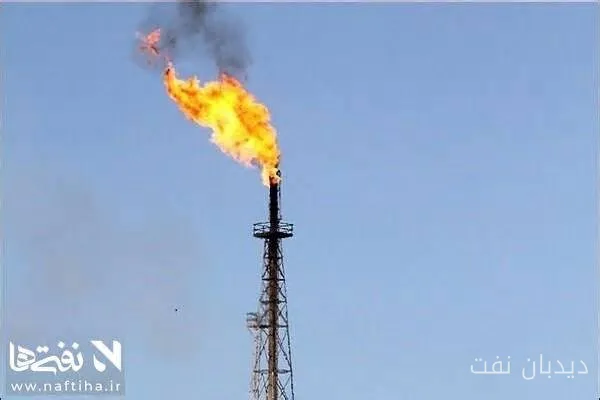
Flare gas collection is considered one of the key pillars in improving the country's energy governance. In fact, associated gas from oil, which is typically burned in flares, has immense potential for energy supply and reducing gas imbalance in the cold season. According to Hamid Bourd, CEO of the National Iranian Oil Company, serious measures are being taken in this regard, and it is expected that by the end of the current year, the total collected gas will reach 36 million cubic meters per day.
Challenges and Importance of Flare Gas Collection
Currently, about 80 million cubic meters of associated gas are produced daily in Iran, of which 40 to 50 million cubic meters are burned in flares due to lack of collection. This situation not only leads to the waste of national resources but also exacerbates environmental pollution. Collecting this gas can help supply petrochemical feedstock, fuel for power plants, and energy for industrial units, thereby increasing the stability of the gas network during peak consumption months.
Read more: Progress of Gasoline Imbalance Management Projects at Isfahan Refinery
Scheduled Plans and Progress
The CEO of the National Iranian Oil Company also referred to the scheduled plans for collecting associated gas. Short-term projects with a horizon of 18 to 30 months and long-term plans including the construction of processing units and NGL plants are on the agenda. These measures are designed to create a balance between the country's immediate needs and long-term infrastructure requirements. With the inauguration of new projects, flare gas that was previously wasted will be returned to the consumption cycle.
Read more: Iranian Oil Tankers Headed to the United States · Haffnia Made a New Investment of 300 Million Dollars



