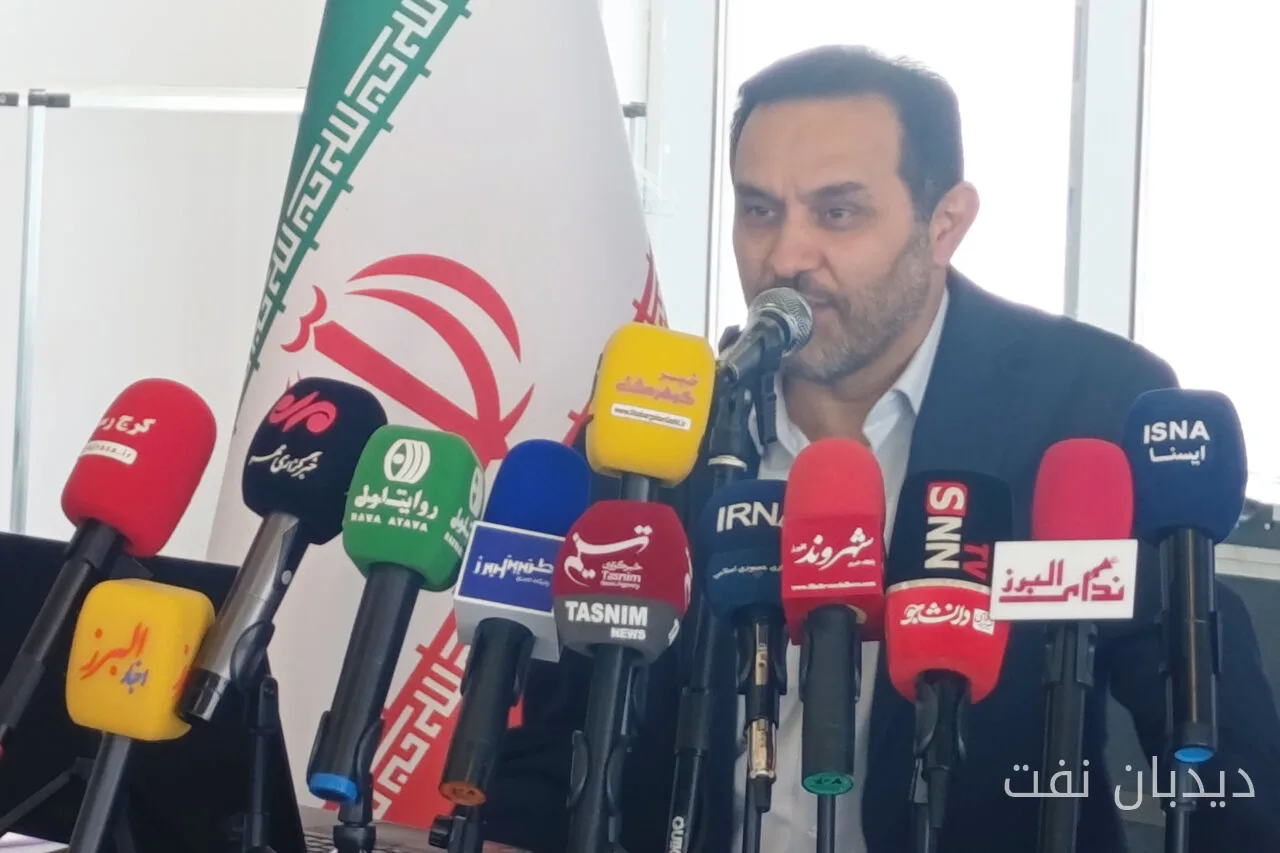
Mohammad Ansari, the director general of the Industry, Mine and Trade Organization of Alborz Province, emphasized the necessity of revising energy imbalance management at the meeting of directors general of selected provinces held at the Chamber of Commerce in Shiraz. He highlighted the importance of national division of labor and operational support for priority value chains while reviewing the capacities and strategic priorities of Alborz Province in developing value chains.
The Necessity of Developing Value Chains in Alborz Province
Ansari pointed out the actions taken to identify the value chains of the province, stating that achieving the goals of this national program requires cooperation and effective roles from other key agencies in areas such as financing and issuing permits. He also mentioned the value chains of pharmaceuticals, textile industries, automotive and parts manufacturing, and grain-based food industries as some of the most important chains of interest in Alborz Province.
Read more: Iran Recognized as a Hub for Gas Transit in Eurasia
Challenges of Energy Imbalance and Its Effects on Production
The director general of the Industry, Mine and Trade Organization of Alborz Province, in another part of his speech, referred to the challenge of energy imbalance and its effects on the activities of production units. He called for a revision of load management approaches and decisions that are appropriate to the economic and industrial structure of the provinces. Ansari emphasized that energy management policies should consider the actual share of different sectors in energy consumption and the effects of limitations on the activities of economic enterprises.
He also called for a precise definition of responsibilities and effective roles of related agencies alongside the Ministry of Industry, Mine and Trade, and emphasized the necessity of the Ministry of Interior playing an effective role in coordinating among executive agencies. According to Ansari, the Central Bank should play a more effective role in providing and facilitating access to financial resources and facilities needed for production chains.
County-Level Segmentation and Targeted Planning
Ansari further pointed to the necessity of developing county-level segmentation of value chains, stating that capacities and economic advantages are not uniform across all counties. He emphasized that to make the roadmap of value chains effective, it is necessary to determine national priorities while specifying the share and role of each province and county in various production loops.
At the end, the director general of the Industry, Mine and Trade Organization of Alborz Province noted that energy imbalance management must align with the industrial realities of the provinces, stressing that maintaining production sustainability and preventing disruptions in industrial activities requires expert decision-making and coordination among responsible agencies. He stated that only by developing strategic documents and national division of labor can sustainable industrial development be achieved.
Read more: Ali Soleimani: Over 91% of Ilam Residents Have Low Consumption Gas Bills · International Monetary Fund: Severe Decline in Income of Iraq, Kuwait, and Qatar Due to Economic Disruptions