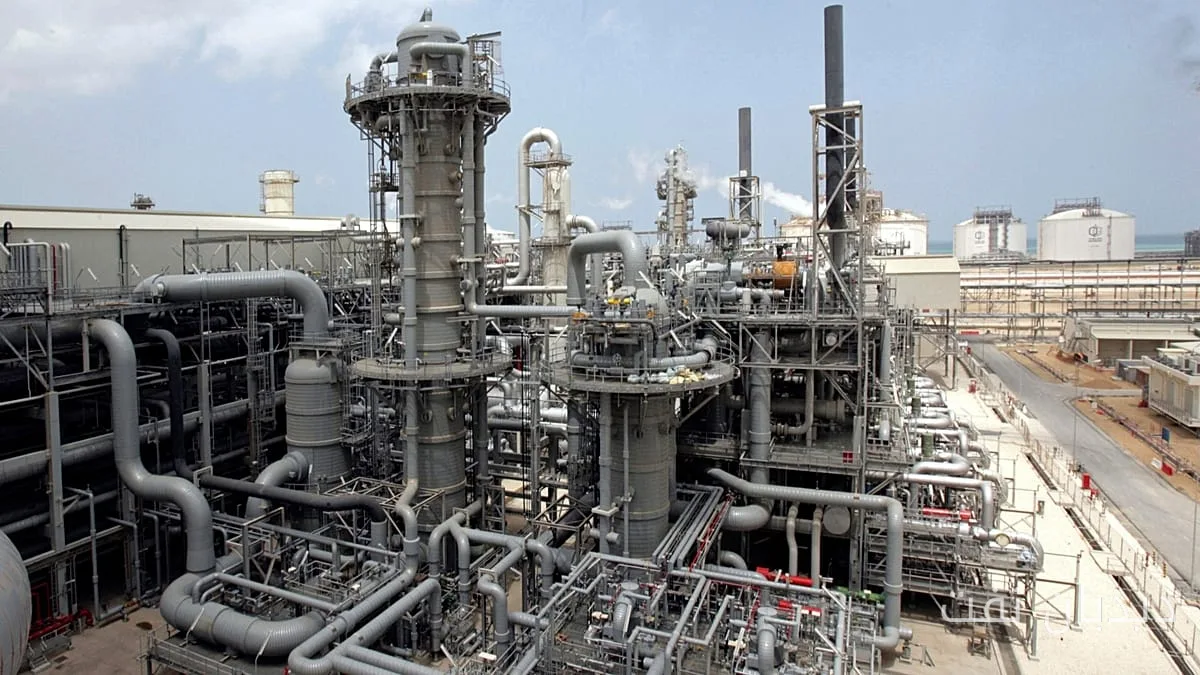
The International Monetary Fund, in its new report, "World Economic Outlook," published on October 13, has predicted that Iran's economy will face a real GDP decline of 7.6 percent in 2026. Meanwhile, neighboring countries Iraq and Kuwait will experience declines of 16 percent and 16.7 percent, respectively. Qatar will also face a 15.6 percent drop in GDP.
Factors Affecting Economic Decline
These figures represent a decrease in the value of goods and services produced in these countries, adjusted for changes in prices, compared to the previous year. Disruptions in traffic through the Strait of Hormuz and energy export restrictions are among the main factors weakening the region's economic outlook. This crisis indicates that even with vast oil and gas reserves, the lack of secure export routes can lead to production declines.
Read more: Fuel consumption declines after the government's new gasoline plan
Dependence on the Strait of Hormuz and Its Effects
Iraq, Kuwait, and Qatar rely on the Strait of Hormuz to deliver a significant portion of their energy exports to global markets. According to reports, disruptions in this route not only delay shipments but can also lead to production declines due to stockpiling and limited storage capacity. This decline in energy production directly impacts GDP, and reduced export revenues can harm government budgets, investments, and the activities of related companies.
Global oil and gas prices alone cannot compensate for these losses; as exploiting higher prices requires the ability to sell and deliver shipments. For example, Qatar's dependence on the Strait of Hormuz for liquefied natural gas exports is clearly evident, as its export shipments, except for those sent to Kuwait, pass through this strait.
Economic Impacts on Qatar
Qatar is currently facing significant economic challenges. Tamim bin Hamad Al Thani, the Emir of Qatar, announced on October 13 during a speech at the Shura Council that government revenues in the first half of 2026 have decreased by 42 percent. He referred to the closure of the Strait of Hormuz and damage to the Ras Laffan energy facilities, which have disrupted a significant portion of Qatar's exports.
Comparison with Other Countries in the Region
The International Monetary Fund has predicted a 3.3 percent economic decline for Saudi Arabia and a 3.9 percent decline for the UAE, which are lower than the figures announced for Iran, Iraq, Kuwait, and Qatar. The diversification of Saudi Arabia's export routes is one reason for the smaller economic decline in that country. Saudi Arabia can transport oil to the Red Sea coast via the East-West pipeline, and the UAE also exports part of its oil from a port outside Hormuz through the Abu Dhabi-Fujairah pipeline.
However, comparing these percentages alone does not indicate that Iran has suffered less from the war than its neighbors. Reports suggest that GDP does not encompass all dimensions of war damage, from human casualties and asset destruction to pressure on household purchasing power. It is worth noting that the realization of the Fund's predictions depends on the course of the war and the timing of the normalization of exports.
Read more: Emir of Qatar: The closure of the Strait of Hormuz has harmed energy exports · Surge in transportation costs disrupted U.S. oil exports



