Masoud Pezeshkian, the President, addressed the optimization process and fuel consumption management in a meeting and emphasized the necessity of confronting fuel smugglers. He stated that no government agency should claim any rights to the benefits derived from combating fuel smuggling and suggested that the benefits from reduced fuel consumption should be allocated to the target community.
The Necessity of Reforming Fuel Quota Distribution Mechanisms
Hasan Moradi, an oil and energy expert, emphasized the need to prevent the waste of fuel subsidies and pointed to the necessity of reforming the quota distribution mechanism and monitoring consumers. He stated that fuel smuggling is not limited to violations at fuel stations and that effective confrontation requires monitoring land and maritime routes for the transfer of petroleum products.
Read more: Russia's oil exports via the Northern Sea Route reached 20 million barrels in 2026
The Role of Supervision in Preventing Abuse
Moradi emphasized that the government should consider the possibility of data forgery and unauthorized use of quotas when designing security mechanisms, adding that the use of payment tools and appropriate control methods can reduce the likelihood of abuse of fuel cards. He also referred to his personal experience with fuel cards and stated that the design of systems related to fuel cards should be such that easily guessable or accessible information does not facilitate abuse.
Moradi also stressed the need to monitor how fuel quotas are allocated and said: "Quotas allocated to non-economic active vehicles should be reviewed. If a vehicle is not engaged in freight activity, the allocation of quotas to it should be based on specific criteria and proportional to actual activity." He added that this issue could lead to the waste of fuel subsidies.
Identifying Fuel Smuggling Networks
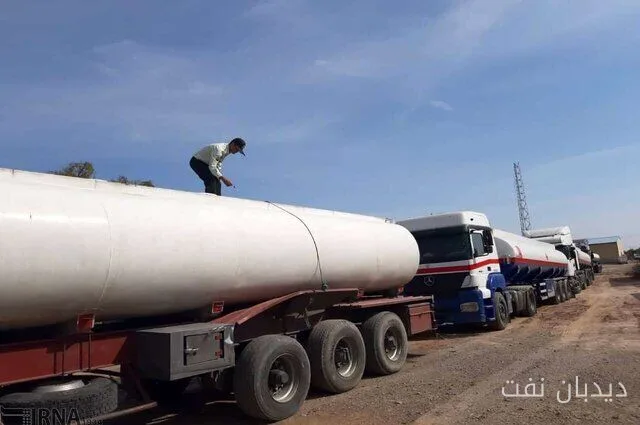
Moradi pointed out that a significant part of the fuel smuggling issue relates to organized networks, explaining that petroleum products are transferred to border areas using trucks and then moved to the coasts through warehouses and garages. Therefore, it is necessary to identify and monitor these routes.
He continued: "If trucks can transport fuel shipments close to the water borders and from there fuel is smuggled through illegal routes, merely confronting consumers or fuel cardholders cannot fully resolve the issue." Moradi believes that monitoring ports and maritime routes is also very important, and there should be a clear correlation between the actual consumption of vessels and the volume of fuel they receive.
Ultimately, Moradi emphasized that to combat widespread fuel smuggling, there must be precise monitoring and surveillance of the routes for transferring petroleum products, which requires the presence of specialized forces and continuous oversight.
Read more: The Libya gas project was launched in collaboration with Eni and the National Oil Corporation of Libya · Over 3000 liters of smuggled fuel discovered at the Minab checkpoint