Maritime traffic in the Bab-el-Mandeb Strait has decreased
The Bab-el-Mandeb Strait is currently experiencing one of its quietest days. This strait, which accounts for 10% of global maritime trade and 12% of crude oil shipments, is facing serious challenges due to military crises and security developments in the region.
Read more: Norwegian-Swedish agreement to strengthen Baltic maritime security
Decrease in the traffic of ships and oil tankers
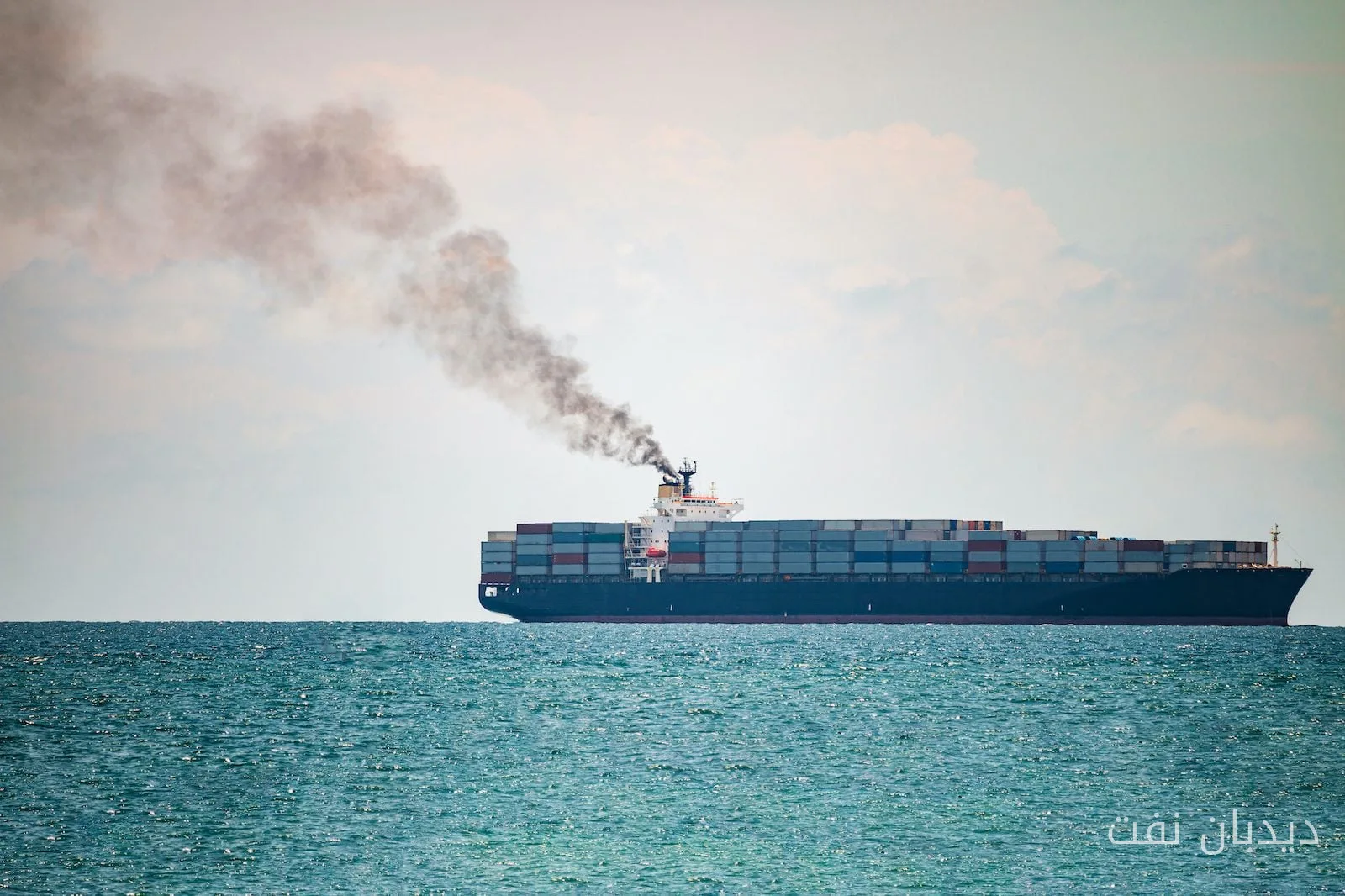
According to reports, the daily traffic of ships through the Bab-el-Mandeb Strait has decreased by 88%, with only four vessels passing through this waterway in the past 24 hours. The passage of oil tankers and chemical transport ships has also decreased by 91%, with only one ship passing through this route during the same time period. The traffic of container ships has also seen a decrease of 86%.
Factors affecting the security of the strait
Military developments in Yemen, particularly the resurgence of conflicts since July, have significantly altered the control map of the region. The Ansar Allah forces, by capturing the Al Hudaydah province and advancing westward, have taken control of coastal cities along the Red Sea and the routes leading to the Bab-el-Mandeb Strait. This situation has significantly increased security risks.
This vital chokepoint, given the increasing pressures from the Ansar Allah forces, may lead to a new wave of global oil shocks. While Saudi Arabia can transport its crude oil to Red Sea ports via the East-West pipeline, tankers that load and head south to global markets are forced to pass through the Bab-el-Mandeb Strait.
The blockage of this strait will threaten the existence of a route that circumvents the tense Strait of Hormuz. As a result, global shipping and energy companies are rerouting their vessels around the southern tip of Africa, which will not only increase travel time but also significantly raise shipping and insurance costs.