Major General Ali Abdollahi, Chief of Staff of the Armed Forces of the Islamic Republic of Iran, emphasized the deterrent capability of the country's armed forces in a message and announced that the U.S. Navy is facing serious restrictions due to Iran's actions. He stated that Tehran will not allow U.S. military vessels to enter the Persian Gulf.
Emphasis on Regional Security and Consequences of Tensions
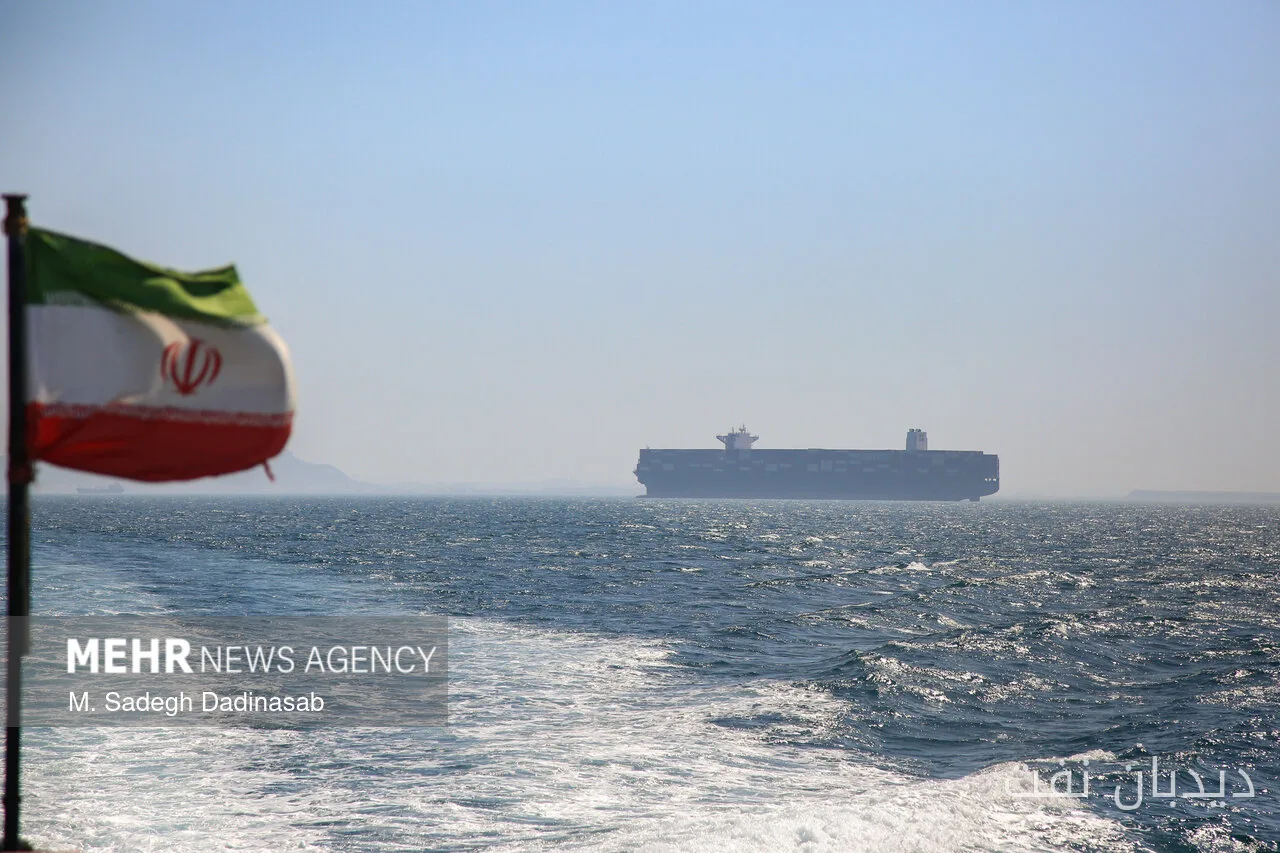
These statements align with the defensive strategy of the Islamic Republic of Iran and the geographical importance of the Persian Gulf. This region is recognized as one of the most important hubs for maritime trade and energy transfer in the world. Any escalation of military tensions in this area could have widespread consequences for regional security and the global economy.
Major General Abdollahi also referred to the alleged contradictions in Washington's claims regarding Iran's nuclear program and raised questions pointing to the gap between military claims and U.S. threatening policies. These contradictions indicate that the U.S. government continues to seek to showcase its military power and prevent Iran from acquiring nuclear weapons.
Recent Incidents in the Strait of Hormuz and Impact on Energy Markets
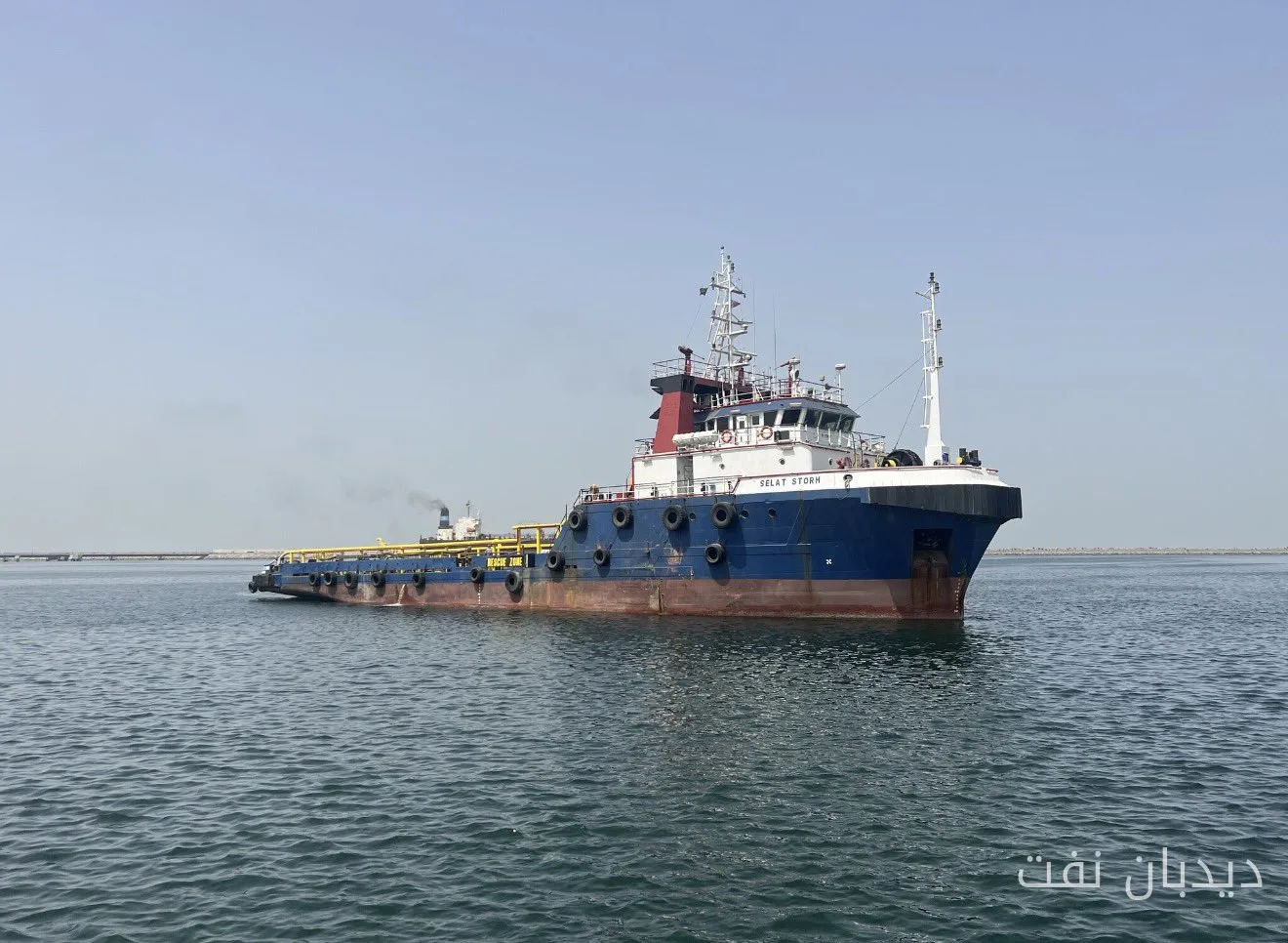
The Navy of the Islamic Revolutionary Guard Corps also reported on the collision of two supertankers with a naval mine in the southern route of the Strait of Hormuz. This incident, in which two tankers experienced explosions and fires, occurred due to passing through unauthorized routes and ignoring Iran's warnings. The total crude oil cargo of these two tankers has been reported to exceed 4.5 million barrels.
This event clearly demonstrates the importance of the Strait of Hormuz in global energy equations. Any disruption in the transit of tankers through this waterway could have negative effects on energy supply security and the economic calculations of various countries. Increased insurance and transportation costs and concerns about the recurrence of similar incidents could create fluctuations in the energy market.
Ultimately, the Strait of Hormuz, as a vital passage for oil transfer, continues to hold a special place in the political and security calculations of regional and extra-regional powers. This area is of great importance due to its direct connection to energy flows, and recent developments there could have profound impacts on the global energy market.