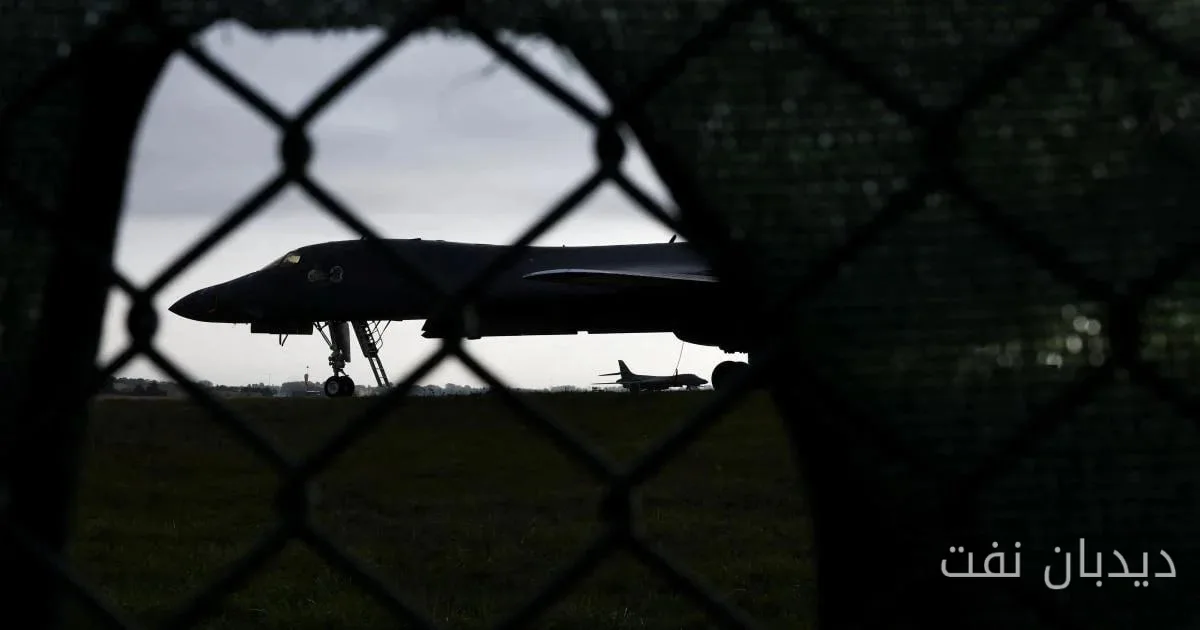
The Islamic Republic of Iran continues to resist despite air and naval attacks from the U.S. and Israel in the current war. According to published analyses, the persistence of Iran's military capability and the survival of its political structure cannot be explained solely by the effective use of low-cost weapons. One of the key factors in this regard has been the strategic choice of the U.S. and Israel to rely on long-range air strikes.
Past Experiences and Failure to Achieve Political Objectives
Air superiority has been recognized as one of the main pillars of the military strategy of the U.S. and Western countries in recent decades. However, the results of past wars show that while air superiority may destroy the conventional forces of the enemy, it does not necessarily lead to the realization of political objectives. For example, in World War II, the bombing of Germany did not force the country to surrender, and in the Vietnam War, the U.S. military, despite heavy attacks, was unable to achieve a decisive victory.
Read more: Developments in the Strait of Hormuz and the Deployment of Sea Mines by Iran
In the current war in Iran, there are few signs that the bombings by the U.S. and Israel have led to increased public pressure for an end to the war. In fact, the multipolar structure of the international system allows countries under attack to benefit from economic and military support from other nations.
Foreign Support and Continuation of the War
In the case of Iran, China has helped create a relatively stable market for energy exports by purchasing oil and gas. This economic support has allowed Iran to compensate for the damages caused by the war. Additionally, China has recently provided short-range air defense systems to Iran, enhancing the country's power against air threats. Furthermore, Russia has assisted Iran in countering threats by providing intelligence and helping to develop its military capabilities.
Besides foreign support, the nature of Iran's military infrastructure and the way its equipment is deployed are also reasons for the limitations on air attacks against it. A large portion of Iran's missile reserves and production capacity is located in deep underground facilities, which are protected from air strikes. Therefore, even the ability of the U.S. and Israel to strike almost anywhere in Iran does not mean the elimination of remaining military threats.
Overall, the failure of the air strategy of the U.S. and Israel in the current war in Iran does not imply that air superiority is futile. However, there are fundamental differences from past wars that lead to different outcomes.
Read more: Oman's Foreign Minister Tied Agreement with Iran on the Strait of Hormuz to U.S. Negotiations · Al Jazeera: The U.S. War Against Iran Has Affected Middle Eastern Energy Supply



