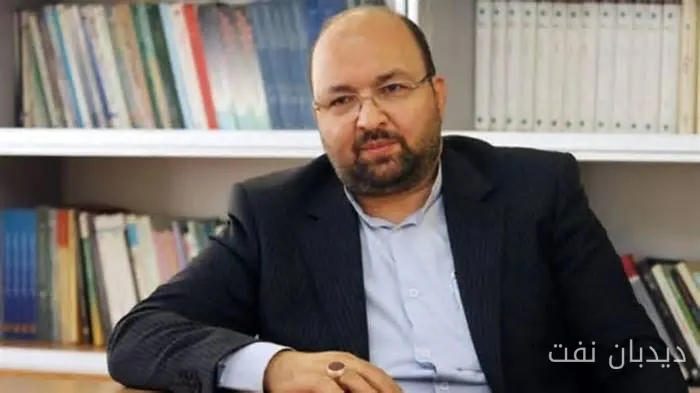
Javad Emam, spokesperson for the Reform Front, emphasized the necessity of government accountability regarding its performance and said: "The government cannot talk about changing past behaviors and reducing the distance with the people before the elections and expect to gain votes, but then raise the issue of limited authority after the elections."
War and its impact on government promises
In an interview with one of the media outlets about the impact of war on the electoral promises of the Pezeshkian government, Emam stated: War has reduced part of the government's capacity to fulfill its promises, but it cannot explain all failures. War has directly affected promises such as lifting sanctions, engaging with the world, attracting investment, economic growth, and development. However, reforming management, meritocracy, transparency, fighting corruption, and pursuing the lifting of filtering are not necessarily dependent on wartime conditions.
Read more: Hemati: The Central Bank should not have a passive approach to external shocks
Economic responsibility and government failures
Javad Emam also examined the impact of war on the country's economy and clarified: "War has exacerbated economic problems, but it is not the sole cause. War typically increases inflation, recession, livelihood issues, and uncertainty in investment, leading to a decrease in government revenues. However, Iran's economy was already facing structural problems such as budget deficits, bank imbalances, energy crises, reduced investment, sanctions, weak policymaking, and corruption before the war."
The spokesperson for the Reform Front also emphasized that "economic responsibility is not solely the government's concern" and added: "Every agency that intervenes in economic decisions also plays a role in the consequences of those decisions." Emam pointed out that "while war is an important factor in exacerbating the economic crisis, not all problems can be attributed to it," stressing the need for government transparency regarding its performance.
The necessity of transparency and government accountability
Emam also clarified regarding the impact of war on filtering policy and the government's promise to lift internet restrictions: "War may justify some temporary and specific security restrictions, but it does not justify the continuation of general and permanent filtering policies. People have the right to see the results of the government's promises."
He also discussed the necessity of transparency in government decision-making, stating: "If the government does not have sufficient authority, it should clearly tell the people which body is making decisions and based on what authority. The issue is not just about lifting or continuing filtering; the main issue is the clarity of the decision-making chain and accountability."
Diplomacy in wartime conditions
Emam continued to address the impact of war on diplomacy and lifting sanctions, saying: "War has made the diplomatic space more difficult, but it has increased the necessity for active diplomacy. The government must use all its political and diplomatic capacities to reduce tensions."
As a result, Javad Emam emphasized that war is not only a justification for the government's failures but also increases the necessity for effective management. He also called for the selection of efficient managers committed to the people, stating: "In times of crisis, the country needs strong managers who align with the government's program."
Read more: Illegal cryptocurrency mining; a threat to the country's energy infrastructure · Oil in the fire of war: Prices reached their highest level since May