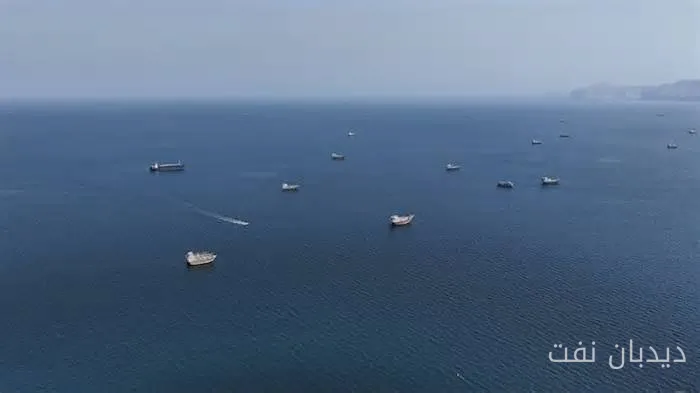
Iraq's giant oil tanker with a capacity of 2 million barrels of crude oil passed through the Strait of Hormuz on October 3, 2023. This action, described as the first operation of its kind in several decades, signifies major changes in Iraq's oil transportation pattern.
Change in Oil Transportation Pattern
The Iraqi Oil Tanker Company has decided to transport the cargo directly outside the Strait of Hormuz instead of delivering oil at the Basra terminal. This change has been implemented due to security conditions and the existing risks in the Strait of Hormuz; reports indicate that Iranian permission is required for tankers to pass through Hormuz, meaning that the passage of this tanker does not in itself indicate a return to normal traffic in this waterway.
Read more: Explosion on the Second Tanker in the Strait of Hormuz with Tracking System Shutdown
Risk Management and Limited Traffic
To understand the current situation in the Strait of Hormuz, it is essential to recognize that the "geographical openness" of the strait differs from its "commercial openness." Although the strait is not physically blocked, security conditions and insurance costs have created limitations on ship traffic. Recently, several incidents have been reported in the Strait of Hormuz, indicating the high risks of passing through this area.
Nevertheless, the passage of Iraq's 2 million barrel tanker serves as an example of the new operational model in Hormuz. This tanker has coordinated with specialized companies to transport oil outside the Persian Gulf, which is part of the change in Iraq's oil sales model. This change allows Baghdad to have greater control over the delivery location and oil pricing.
Consequences and Challenges
The director of the Iraqi Oil Tanker Company has announced plans to purchase specialized tankers to improve the country's independent transportation capacity. Furthermore, as risks and insurance costs have increased, choosing this transportation model can help alleviate pressure on buyers. This procedural change may lead buyers to be less inclined to seek large discounts.
Ultimately, Tehran's position on Hormuz adds to its complexities. Mohammad Baqer Qalibaf, the Speaker of the Iranian Parliament, has stated that the Strait of Hormuz will not be opened until specific conditions are met. This means that while a tanker is passing through Hormuz, there are still limitations on normal traffic.
Read more: CEO of Iraqi Tankers: We Passed 2 Million Barrels of Oil Through the Strait of Hormuz · Launch of New Fueling Scheme with Bank Cards in Tehran



