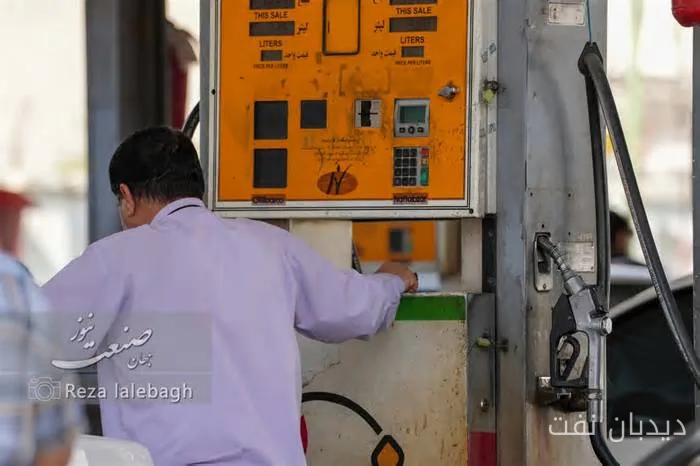
The new fueling scheme with bank cards has been launched in Tehran. This scheme is designed to increase transparency and reduce issues related to the use of personal fuel cards. Abbas Basafa, the manager of the smart fuel system, detailed the specifics of this scheme in a radio program.
Details of the Fueling Scheme with Bank Cards
Basafa pointed out past problems in using personal fuel cards, including forgetfulness and delays at fueling stations, stating that this scheme is designed as a complementary method to facilitate the fueling process. By using a valid bank card, individuals can carry out their fueling process at fueling stations. After swiping the card, a voucher containing a four-digit code is provided to users, which is used to receive fuel.
Read more: The spokesperson for the Energy Commission connects all fuel cards to bank cards
Fueling Limit and Infrastructure Security
Currently, the fueling limit for each session is set at 25 liters. Basafa emphasized that the aim of this scheme is to create an alternative method for fueling and reduce reliance on a single method so that in case of technical or security issues, the fueling process for the public does not come to a halt. He also mentioned the security of the infrastructure of this scheme, stating that the design of this method was intended to prevent future issues.
Basafa further addressed the topic of personal fuel cards, emphasizing that these cards will remain in effect and their related quotas will be charged as before. Additionally, regarding the use of license plate recognition cameras for fuel management, Basafa acknowledged that this issue is under review but faces challenges.
The manager of the smart fuel system also referred to the issue of diesel smuggling and the possibility of further smart solutions in this area. He stated that existing online systems in the oil and gas sector can help better manage quotas. Basafa emphasized that the main goal of using modern technologies in this system is to reduce smuggling and prevent off-network distribution.
Finally, Basafa noted that efforts to make the fueling process smarter and combat fuel smuggling are ongoing, and cooperation with relevant authorities in this area is in progress.
Read more: Explosion at MRPL refinery in India caused a disruption in capacity of 15 million tons · Oil tanker shipment heading to China amid sanctions



