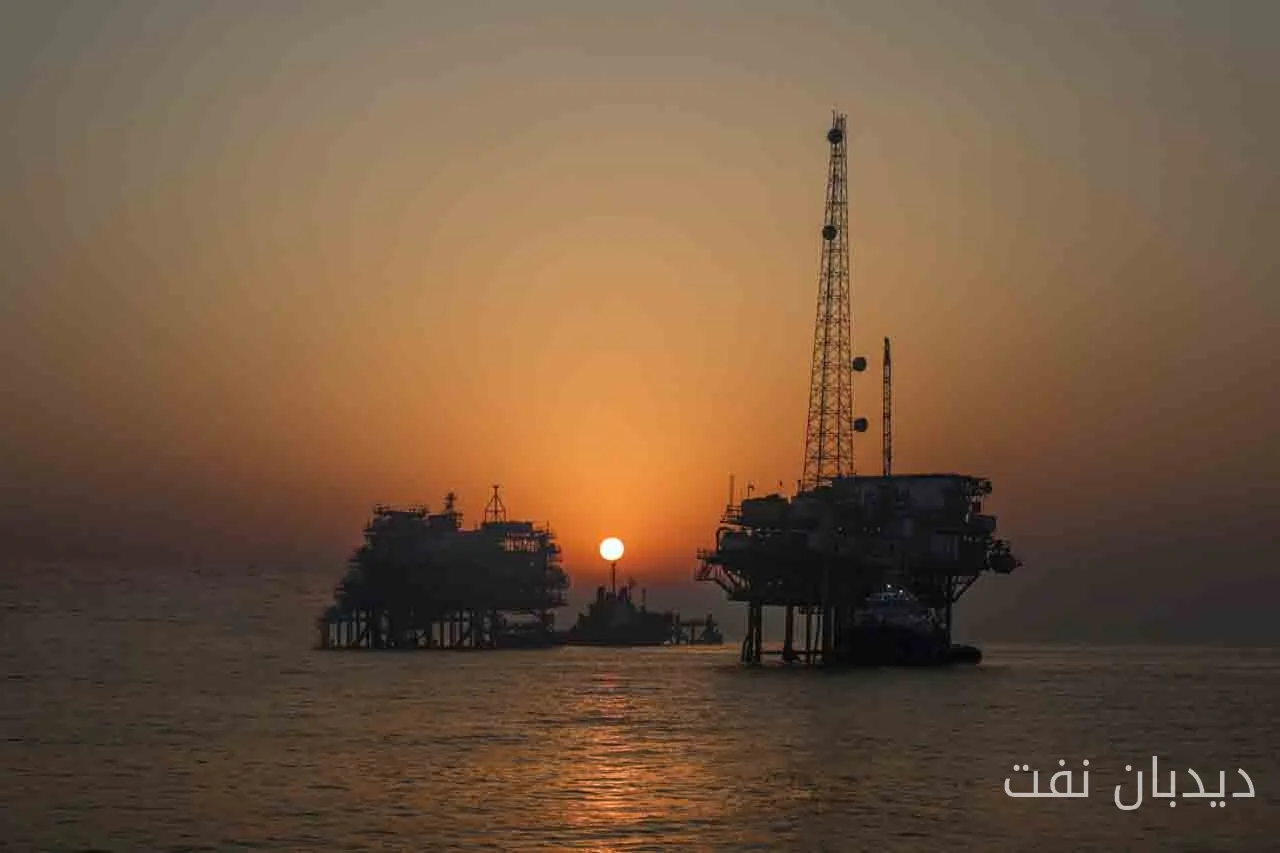
Iran's oil industry has upgraded its production capacity from 3 million and 430 thousand barrels in September 2024 to 3 million and 715 thousand barrels in October 2026, despite sanctions and financial constraints. This leap in production is the result of implementing optimization and development plans in oil fields and related facilities.
Optimization and Revitalization of Wells
The main focus of this achievement has been optimizing surface facilities, revitalizing low-yield wells, and accelerating the completion of shared fields in West Karun. The emergency plan for a 250 thousand barrel increase, with a $3 billion investment—80% funded by the National Development Fund and 20% from the internal resources of the National Oil Company—has been initiated, and so far, 70 thousand barrels per day of its targets have been stabilized.
Read more: Delivery of Oil Shipment in International Waters Amid New Sanctions
Development of Oil Fields
In the upstream sector, development packages worth 13 billion euros have been implemented in the Azadegan, Azar, Changuleh, and Band-e Karkheh fields. The transfer of processing facilities to the private sector with contracts of 315 thousand barrels has raised the outsourced processing capacity to 430 thousand barrels per day. Currently, 129 drilling rigs are active, and with a $1 billion contract for 20 new rigs, drilling of 270 wells is underway.
However, the natural decline of oil reservoirs by 8 to 10 percent annually necessitates the creation of approximately 300 thousand barrels of compensatory capacity each year and the use of enhanced oil recovery (EOR/IOR) methods to maintain the record of 3.7 million barrels sustainably. Therefore, despite existing challenges, Iran's oil industry has taken effective steps to preserve and increase its production capacity.
Read more: Sediqeh Khazaei Emphasizes the Need for Energy Consumption Management · Qatar's Liquefied Gas Shipment Heading to Poland via the Red Sea



