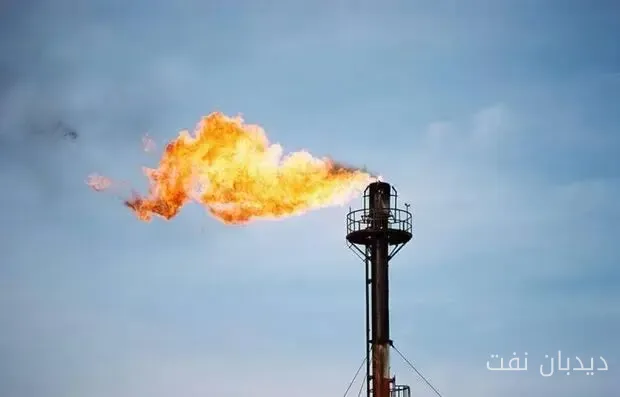
Iran's Ministry of Oil has announced the daily collection of 17 million cubic meters of associated and flare gas. This volume of collection is considered an important step towards reducing flaring and optimizing the use of energy resources in the country. Associated gas and flare gas are among the valuable energy resources that can be converted into feedstock for industries, fuel, and a source of income.
A Transformation in Gas Resource Management
In recent years, a significant portion of this national asset has been burned due to inadequate collection, leading to various environmental issues. However, the Ministry of Oil has recently announced new programs for the collection and processing of these gases. This program includes the development of processing infrastructure and increasing private sector participation in implementing new projects.
Goals of the Seventh Development Plan
The Ministry of Oil has also set a target to collect a significant portion of flare gas by the end of the seventh development plan. This goal will not only help reduce environmental impacts but can also lead to improvements in the country's economic situation and increase national revenues. According to Ministry officials, the implementation of large processing projects and the assignment of projects to investors are among the main focuses of the Ministry's new programs.
According to announced statistics, the volume of collected associated and flare gas in the oil industry has exceeded 17 million cubic meters per day. This statistic, along with the development of processing infrastructure and increased private sector participation, is presented as one of the Ministry of Oil's achievements in addressing flaring.
Iran's Flaring Compared to the World
According to the World Bank's global flaring tracking, the volume of gas flared worldwide is expected to increase by 6% to 167 billion cubic meters by 2025. This figure is the highest since 2019 and indicates the need for more serious actions to reduce flaring globally. Given these statistics, the actions of Iran's Ministry of Oil in collecting flare and associated gases are seen as a positive step towards improving environmental conditions and optimizing the use of the country's energy resources.
Ultimately, considering the importance of collecting flare and associated gases and their positive impacts on the environment and the country's economy, it is expected that the Ministry of Oil will continue to implement its programs with greater seriousness and leverage the capacities of the private sector.
Read more: Goldman Sachs raised its oil price forecast to $105 in December · Hamid Bord strengthens Iran's oil production under sanctions