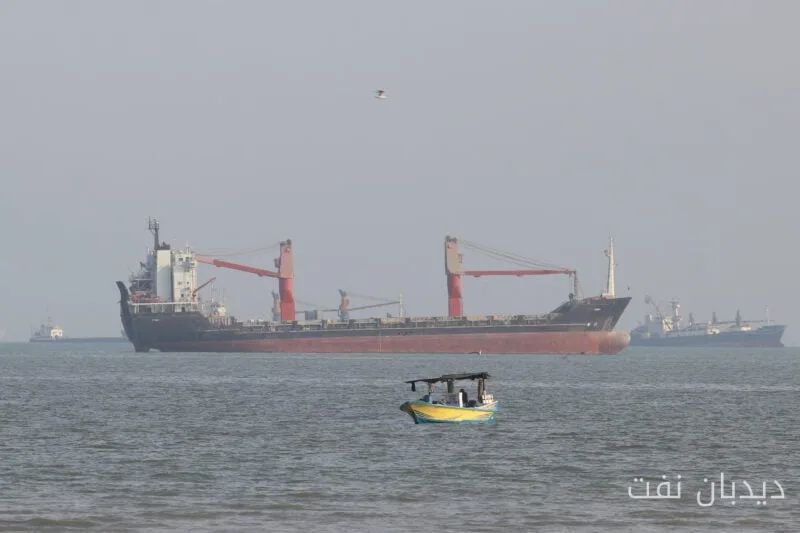
Abbas Araghchi, Iran's Foreign Minister, announced on October 7, 2026, that his country's proposal to the United States to reopen the Strait of Hormuz within seven days is still on the table. This announcement came after the collapse of a temporary ceasefire, and Araghchi, during a meeting in Baghdad, referred to the conditions raised and told the media: "Our position is clear and continues based on the seven-day proposal we have presented to the United States."
Details of Iran's Proposal
Iran presented its proposal in mid-September, and after receiving a response from the United States, Araghchi stated that negotiations were halted due to the failure to address all the conditions set by Washington. According to him, these conditions include ending the U.S. blockade on Iranian ports, lifting sanctions on oil exports, and ceasing hostilities on all regional fronts.
Read more: Iran's Oil Production Increases to 3 Million and 715 Thousand Barrels in October 2026
Possible Consequences and U.S. Positions
Araghchi also pointed out that if the United States responds positively to Iran's conditions, the Strait of Hormuz could be reopened within six days, and negotiations would resume the following day. One of the main points of contention is Washington's insistence on addressing Iran's nuclear program from the outset of negotiations. In this context, U.S. Vice President J.D. Vance stated earlier this month that Iran must make a significant reduction in its uranium enrichment capacity to meet U.S. demands and end the eight-month war between the two countries.
Before the start of this war, the Strait of Hormuz accounted for about one-fifth of global oil and liquefied natural gas trade, and its reopening could have significant impacts on global energy markets. Iran emphasizes that negotiations should initially focus on reopening this strait and ensuring its security.
Read more: Parsian Gas Refinery Prepares for Peak Gas Consumption with Major Repairs · 100% Increase in Production at Karun Oil and Gas Operating Company