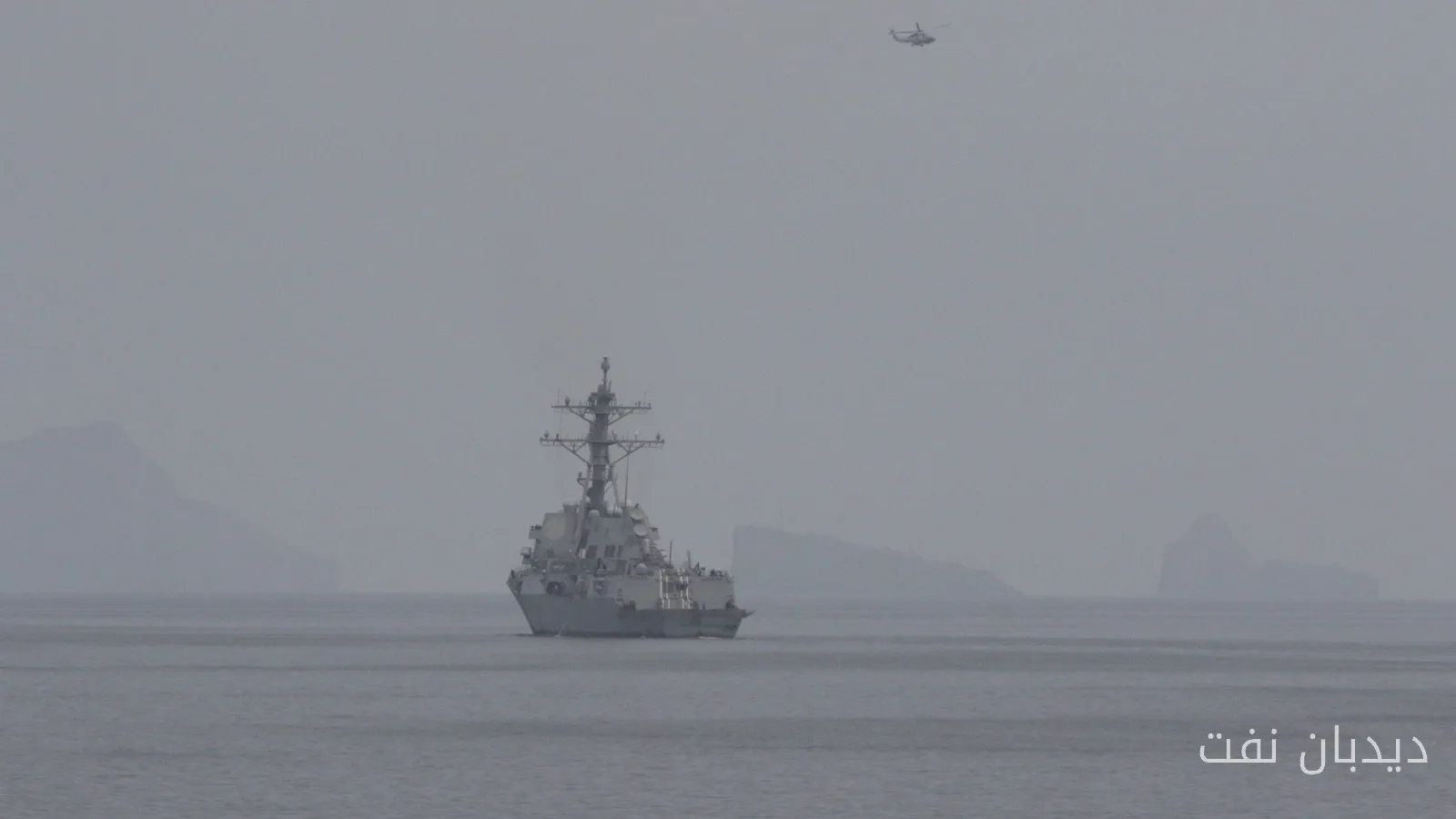
The Strait of Hormuz, as a vital global energy chokepoint, is continuously affected by political and military developments. This strait, located between the Persian Gulf and the Gulf of Oman, accounts for about 20 percent of the world's maritime oil trade, including crude oil and refined products. Following the onset of the conflict between the United States and Iran on February 28, 2026, the Strait of Hormuz became a focal point for the media, and Iran quickly took control of this route.
Impact of Sanctions on Oil Exports
In the early stages of this conflict, Iran was able to effectively close the Strait of Hormuz and reduce maritime traffic by over 95 percent. This situation halted oil exports from Arab countries such as Saudi Arabia, Iraq, Kuwait, and Qatar, while Iran's oil exports remained nearly stable compared to before the conflict. For example, Saudi Arabia's exports dropped from 7.35 million barrels per day to 4.57 million barrels, while Iraq faced an 82 percent decrease in its exports.
Read more: The U.S. Claim About the Open Status of the Strait of Hormuz Faces Serious Challenges
Changes After Temporary Agreements
After signing a temporary agreement between the United States and Iran on June 17, 2026, which stipulated a 60-day ceasefire, the flow of exports temporarily improved. However, this agreement was undermined by escalating conflicts in July. On July 14, the United States re-established a maritime blockade against Iran, which continues to this day. On the other hand, with the Houthis entering this battle and declaring a maritime blockade against Saudi Arabia, oil exports from the port of Yanbu also faced difficulties.
Currently, Iran, which still claims control over the Strait of Hormuz, is actually unable to export its oil due to challenges arising from sanctions and attacks on tankers. This contrasts with the initial conditions of the conflict, where Iran was in a stronger position. While crude oil exports from the Middle East have approached pre-war levels, the flow of refined products has not yet improved sufficiently.
Read more: China Concludes First Season of Regular Container Shipping Services on the Northern Sea Route · $430 Million Growth in Trade Between Iran and Kazakhstan in 2025



