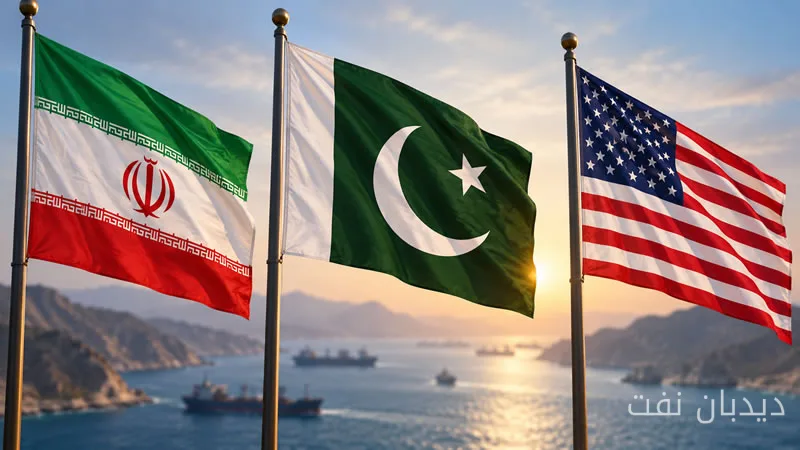
Iran's Ambassador to Pakistan, Reza Amiri-Moghadam, announced Tehran's readiness to reopen the Strait of Hormuz if the maritime blockade of Iranian ports is lifted. This position has been stated while diplomatic efforts to end the Iran-U.S. war continue to face deadlock.
Emphasis on the Need to Lift the Blockade
Amiri-Moghadam made this announcement during the visit of Asim Munir, the Chief of Army Staff of Pakistan, stating that Iran is still ready to resume negotiations within the framework of the temporary agreement from June. This agreement, mediated by Pakistan and Qatar, aims to restore shipping traffic and end the blockade of Iranian ports.
Read more: Increase in Attacks on Oil Tankers in the Strait of Hormuz and Pollution of the UAE Coasts
Discrepancies in Narratives and Negotiation Conditions
While the Iranian ambassador has spoken of Tehran's readiness, the Tasnim news agency quoted an informed Iranian source denying the report of a new proposal being presented to the Pakistani mediator, calling it "lies and fantasies." This source emphasized that Iran insists on its previous plan to reopen the Strait of Hormuz and that an agreement based solely on exchanging the reopening of the Strait of Hormuz for the end of the U.S. blockade is not acceptable to Tehran.
The current discrepancies arise as negotiations between Iran and the U.S. did not yield results in September. Reports indicate that Iranian and U.S. negotiators in New York were exploring the possibility of a phased agreement under which Iran would resume the passage of ships through the Strait of Hormuz, while the U.S. would reduce its economic and maritime blockade of Iran in return.
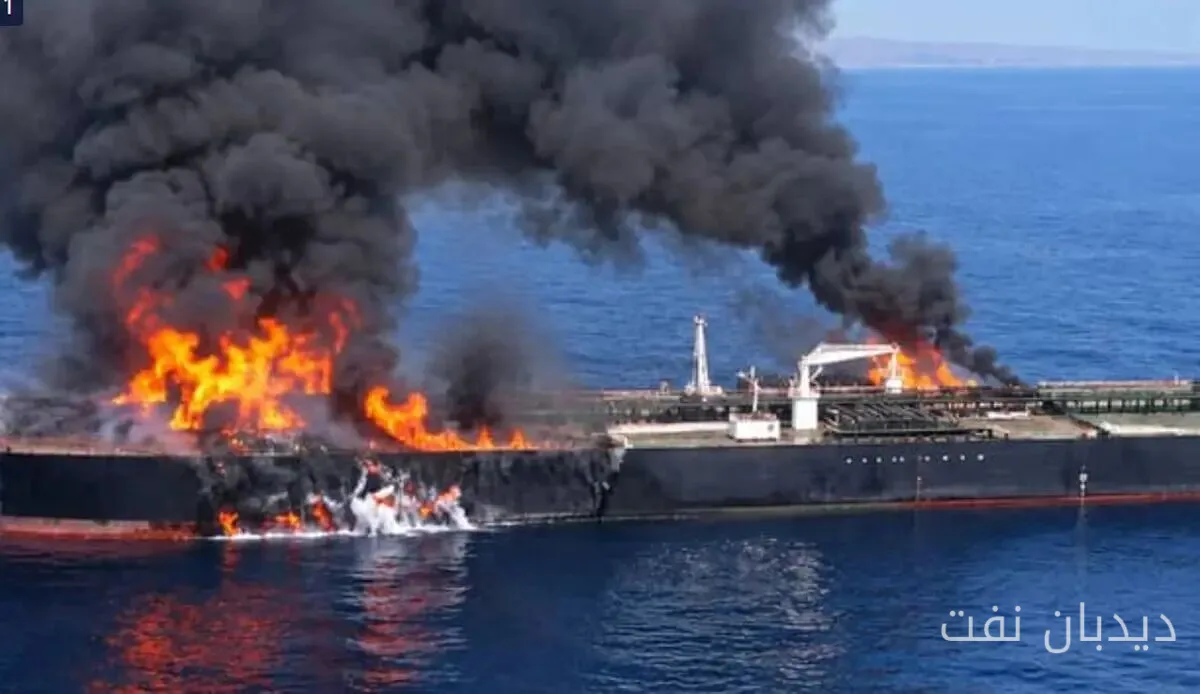
The situation in the Strait of Hormuz remains dangerous, with multiple recent reports of attacks on commercial vessels or their collisions with unidentified projectiles in the area. These disruptions in maritime traffic, in addition to military consequences, exert pressure on oil exports and regional trade.
Masoud Pezeshkian, Iran's President, has also emphasized the necessity of reaching an agreement with the U.S., holding Washington responsible for the failure of the temporary agreement. He believes that both sides should pursue a path to agreement, while Washington's military threats and disagreements over the conditions for reopening the Strait of Hormuz have kept the prospects for negotiations uncertain.
Read more: Great Eastern Shipping Continues to Purchase a Large LPG Tanker · New Oil Shipment Belonging to Iran Identified on the Sanctions Path