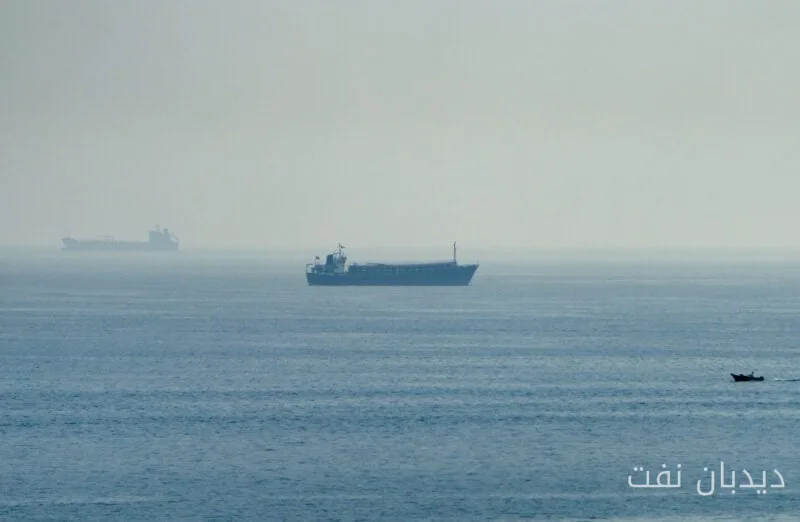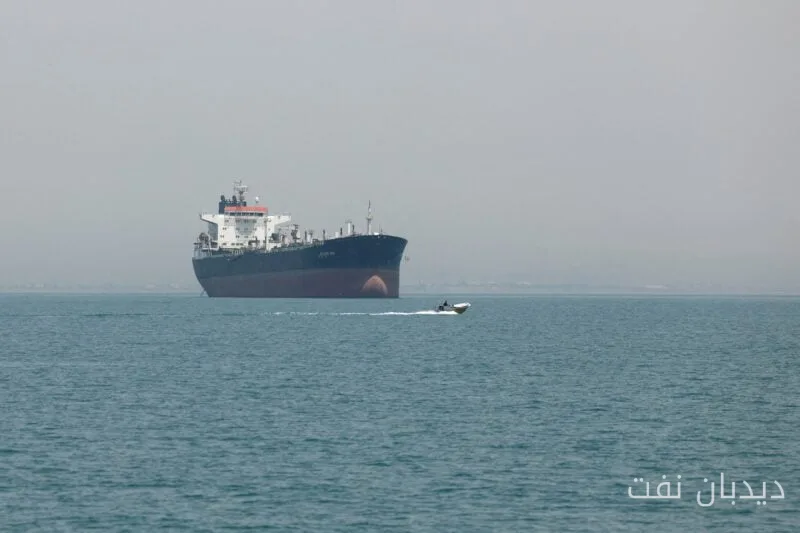
October 2023 has become the worst month for attacks on commercial vessels in the Strait of Hormuz. According to reports, 28 confirmed attacks on ships in this region have been recorded this month. This number has reached 113 attacks since the beginning of the war between the United States and Israel with Iran on February 28, 2023. This statistic indicates a concerning increase in attacks on tankers and commercial vessels.
Damage to the Tanker Fleet
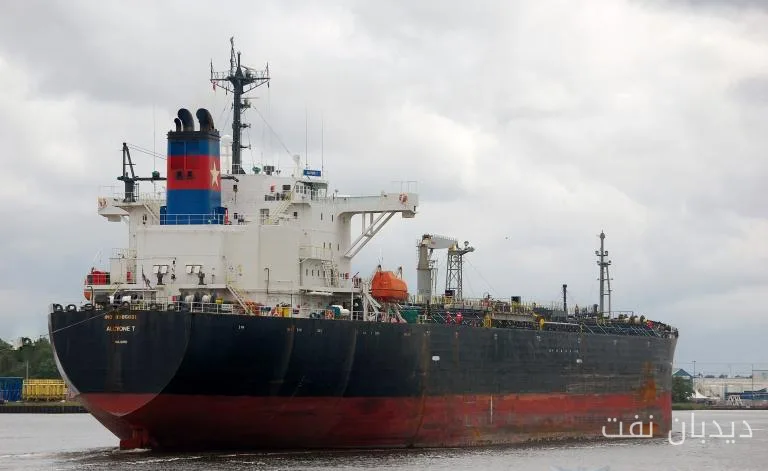
Available statistics show that over 30 large tankers have been damaged in these attacks, with 11 of them recorded in October alone. This damage is equivalent to about 3.5 percent of the world's large tanker fleet. The Greek risk consultancy company Marisks also reported 12 damaged vessels between October 5 and 11, marking the highest number of weekly attacks in this conflict.
Read more: Iran-Russia Gas Exchange Agreement Reaches Final Stages
The human cost of these attacks has also been heavy. By September, at least 22 sailors had lost their lives in 80 confirmed attacks around the Strait of Hormuz. In one of these attacks, five more sailors were killed, reminding us that the dangers are not limited to a single strait.
Pollution of the Shores of the United Arab Emirates
Following these attacks, oil pollution reached the shores of the United Arab Emirates. On October 23, the UAE Ministry of Climate Change and Environment confirmed that teams were managing an oil spill from a tanker off the coast of the country. Coastal areas including Umm Al-Quwain and Sharjah were closed due to this pollution. Reports indicate that the tanker in question has been identified as Gem No.2, which was damaged in a suspected drone attack on October 9 or 10.
This situation highlights the need for a review and revision of international safety regulations. Current safety standards are primarily designed for accidental conditions and are inadequate against external attacks that can simultaneously affect multiple critical systems of a ship. Currently, many safety management systems address incidents of fire, flooding, and power outages separately and rarely practice these scenarios concurrently.
Analyses indicate that ships continue to operate in dangerous areas, as commercial pressure drives them to load in the Persian Gulf despite existing risks. These conditions further underscore the need for an engineering response and updates to international safety frameworks.
Read more: Explosion in the Strait of Hormuz; A Giant Tanker Targeted in an Attack · MV Lira Tanker Banned from European Ports Due to Lack of Repairs in Greece