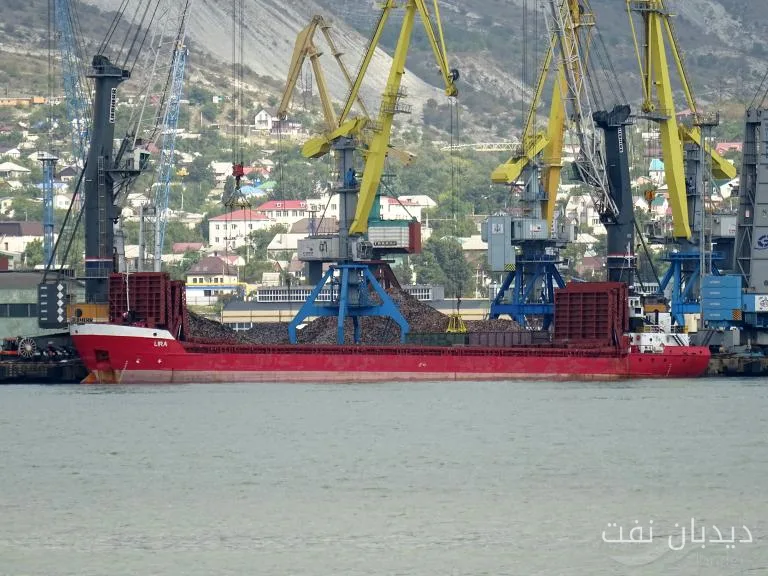
The tanker MV Lira (IMO 8516744), a general cargo ship with 42 years of service that is classified as a high-risk vessel, has been banned from entering EU ports due to non-compliance with repair agreements. This action was taken by the "Paris MoU" system, which consists of 28 maritime authorities and aims to eliminate substandard shipping in European and North Atlantic waters.
Details of the Ban
The MV Lira, built in 1985, was detained in the port of Olbia, Italy, but left that port on October 3. One of the conditions for the release of this vessel was to proceed directly to a repair yard in Piraeus, Greece, but the ship did not honor this agreement and did not visit the repair yard.
Read more: U.S. Cutter Offloads 29,000 Pounds of Cocaine at Port Everglades
The Paris MoU system received a notification on October 15 from the Port State Control Office in Piraeus, stating that the vessel had not arrived at the port and had not provided any updates regarding its arrival time. Given that the ship sails under the Tanzanian flag, it is considered a very high-risk vessel according to the Paris MoU inspection priority system.
Risk and Inspection Criteria
The MV Lira previously sailed under the Panamanian flag, and the change to the Tanzanian flag has increased the risk associated with this vessel. The Paris MoU system uses risk-based targeting techniques instead of random inspections, so each ship receives a risk profile based on its type, age, flag performance, and history of deficiencies and detentions. High-risk vessels are typically inspected every five to six months, while low-risk vessels may remain uninspected for years.
Annually, the Paris MoU system inspects over 17,000 foreign ships, with an average detention rate of 4% for vessels that do not meet the established standards. For ships with a history of repeated detentions, this system can lead to access bans and even permanent prohibitions for repeat offenders. Last year, a total of 688 vessels were detained in European ports, and 19 vessels were banned.
Read more: Sri Lanka Rescues 40 Iranian Sailors from International Waters · Reza Amiri Moghadam's Explanation on the Status of Iran-Pakistan Borders