In recent weeks, Iranian tankers have been seeking to bypass international sanctions by altering their routes. These changes not only affect the oil market but also indicate the adaptation of Iran's oil industry to new global conditions.
Change of Tanker Routes
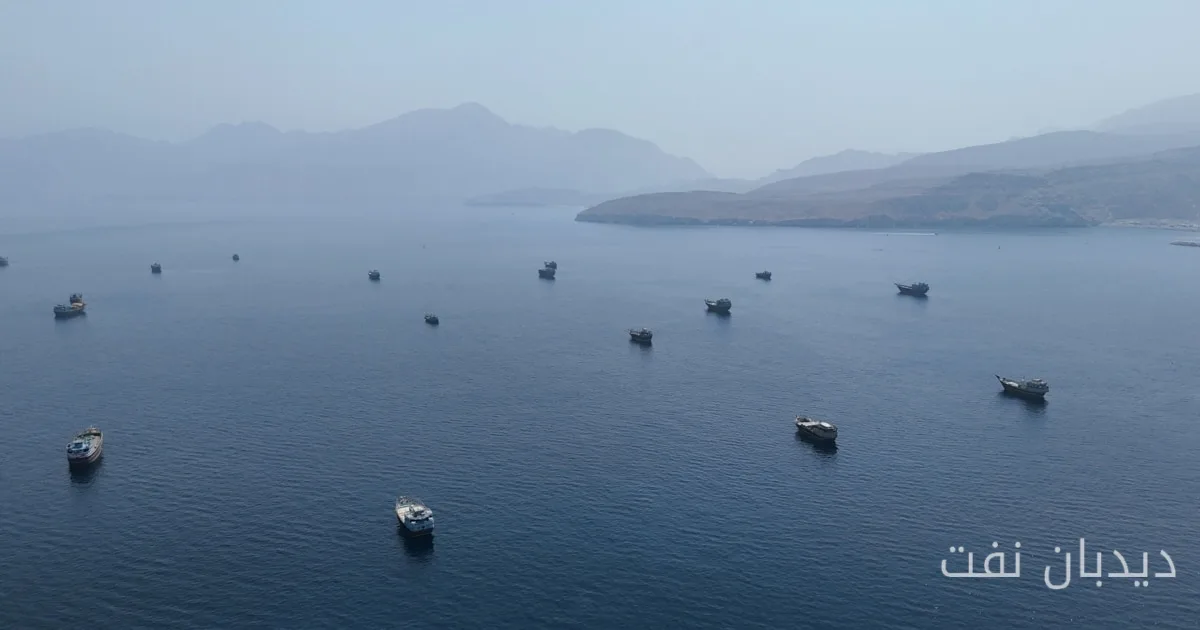
Analyses indicate that several Iranian tankers, including "Sahar" and "Parham," have recently chosen new routes that seem aimed at reducing the risk of identification and international sanctions. These tankers are heading towards destinations that are less monitored and sanctioned, allowing them to sell crude oil at better prices.
Read more: Damage to the East-West Pipeline in Saudi Arabia Affects the Country's Oil Exports
History of Sanctions and Their Impacts
Since the imposition of oil sanctions against Iran, tankers have had to adapt to new conditions. These sanctions have had severe consequences on Iran's oil exports, prompting oil companies and state entities to find new solutions to continue their operations. Changing tanker routes is one of these solutions that seems to have become a sustainable trend.
Moreover, these changes may contribute to strengthening black markets in the region and create new challenges for international regulatory bodies. Bypassing sanctions not only helps maintain Iran's oil revenues but could also lead to increased tensions in the global oil market.
Read more: 11% Increase in CNG Consumption Following Gasoline Price Rise to 10,000 Tomans · Iranian Oil Tanker Cargo is Under Sanctions