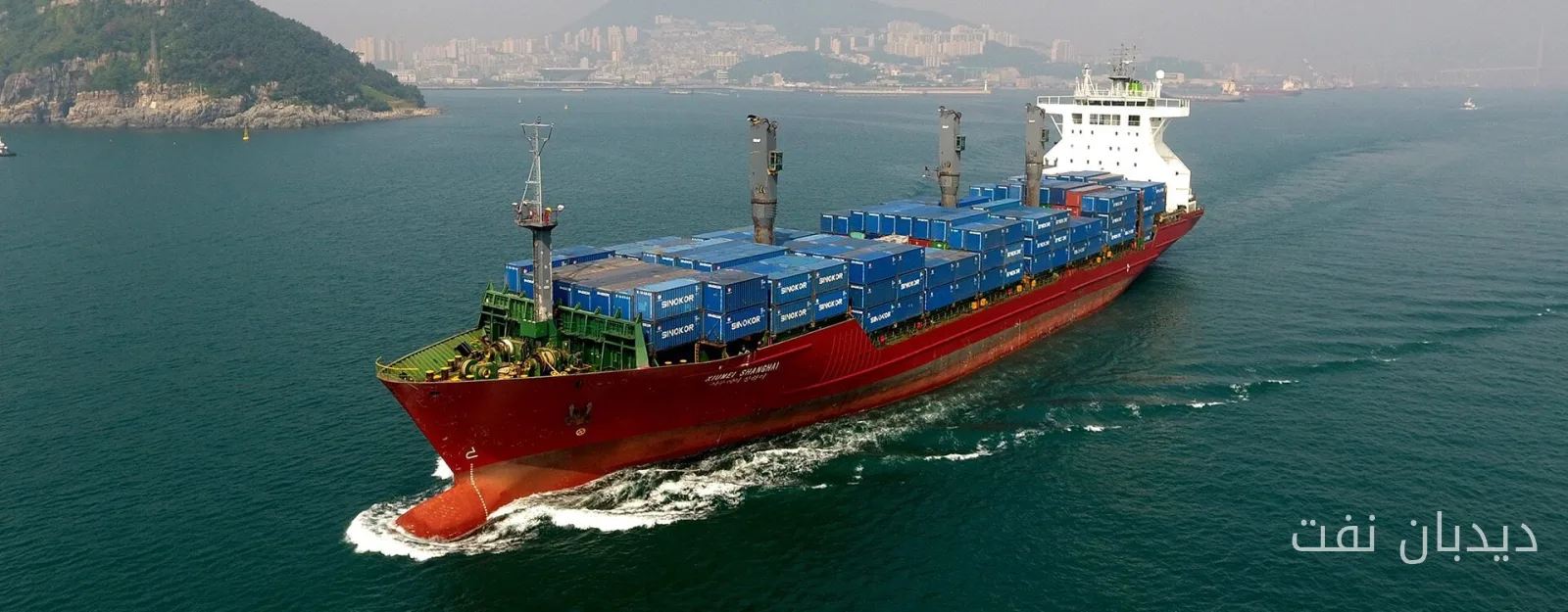
Iran has announced that starting from November 1, 2026, it will initiate legal action against tankers belonging to Sinokor. This announcement was made by the Strait of Hormuz Organization (PGSA), which was established as a point of contact for the passage of ships through this important waterway.
Violations by Sinokor
PGSA stated that Sinokor's fleet has had the highest number of violations of the passage regulations in the Strait of Hormuz over the past three months, and necessary actions have been taken against at least 7 tankers of this company so far. However, details of these actions have not been disclosed. Sinokor, as the largest owner of super tankers in the world, has transported millions of barrels of oil from the Strait of Hormuz in recent weeks.
Read more: Prospector 5 Drilling Platform Crash off Gabon Coast, One Dead and Four Missing
Details and Legal Consequences
According to PGSA, all cargo owners, stakeholders, and insurance providers have been warned that from the mentioned date, all ships belonging to Sinokor will be subject to legal action. This action comes at a time when the Strait of Hormuz, as one of the most important oil transportation points in the world, is under strict monitoring and control due to political and military tensions in the region.
Sinokor is considered a key player in global oil supply, and last month, about 40 percent of all crude oil that exited the Strait of Hormuz belonged to this company. Meanwhile, other major tanker companies control a smaller volume of this waterway.
Following the outbreak of war in Iran, control over this strategic waterway has been significantly affected, and while initially this route was largely blocked, the amount of oil passing through it has gradually increased, and the total volume of shipments from the Middle East is now approaching pre-war levels.
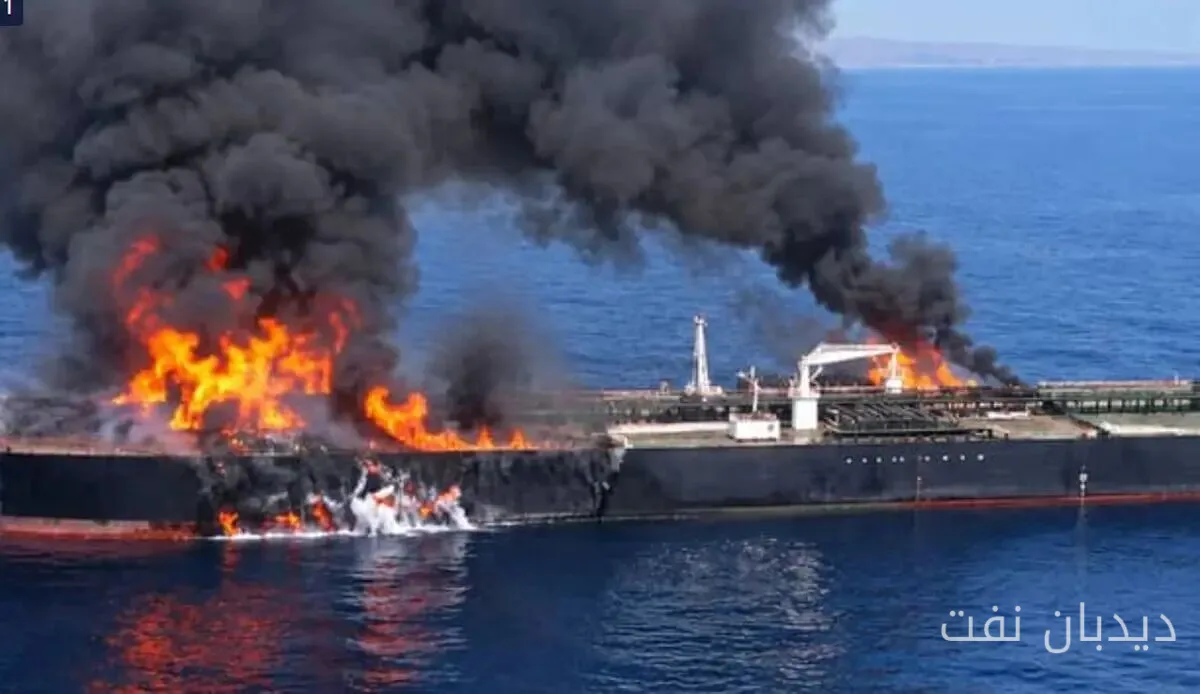
Given the increasing tensions in the region and the occurrence of multiple attacks on commercial vessels, October has been described as the worst recorded month for attacks on commercial ships in the Strait of Hormuz. This situation, along with rising concerns about security in this waterway, could have serious implications for the oil market and global pricing.
Read more: Seatrium Signs Contract to Build Four Offshore Drilling Rigs for Keppel · Asso.subsea Adds New Tanker Arete to Its Fleet