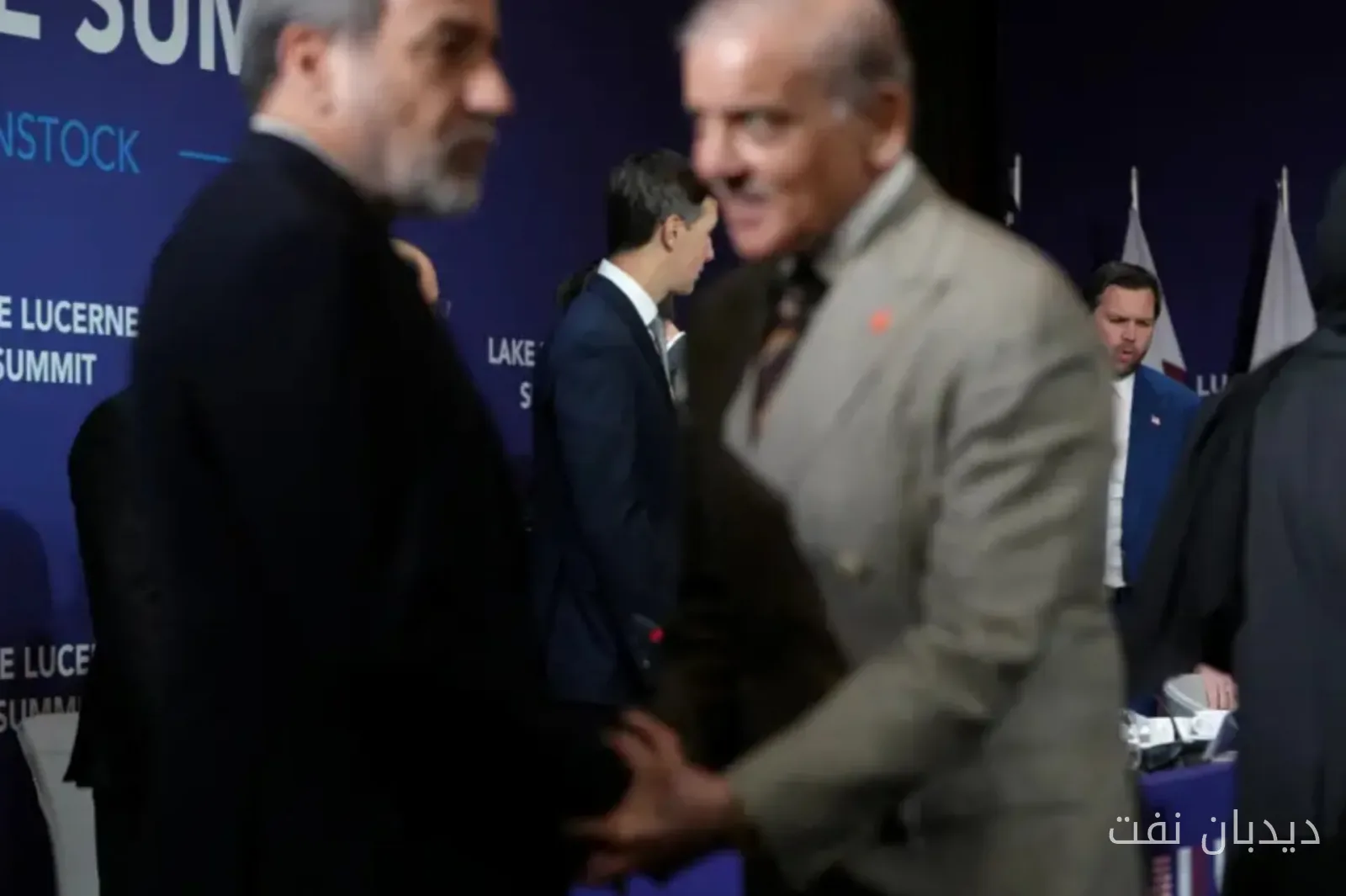
Iran has rejected recent claims of abandoning its preconditions for reopening the Strait of Hormuz and insists on its conditions. These negotiations, mediated by Qatar, took place between Abbas Araghchi, Iran's Foreign Minister, and U.S. government representatives Steve Witkoff and Jared Kushner.
Details of the Negotiations
The three-hour negotiations at the United Nations headquarters in New York were described by Trump as "very good" and "very constructive," with the possibility of further negotiations in the near future being raised. These statements have led to a decrease in the price of Brent crude oil to below $100 per barrel. Witkoff also described the talks as "hopeful, constructive, and successful."
Read more: Report: AI Error Nearly Led to U.S. Military Clash with Chinese Ship
Previously, Iran had set seven preconditions for returning to negotiations and announced that if these conditions were met, the Strait of Hormuz could be reopened within seven days. Experts believe that the U.S. and Gulf countries may need to agree to establish a shipping route in the Strait of Hormuz; a route that requires commercial vessels to pass through the maritime waterway in Iranian waters.
Sanction Pressures and Consequences
Iran is under increasing pressure from sanctions that have severely limited the country's oil exports and are draining the foreign currency needed from the country. In recent days, the number of oil tankers passing through the Strait of Hormuz has been reported to be less than five. Additionally, the blockage of the Strait of Hormuz and uncertainty regarding Houthi control have impacted other energy transfer chokepoints, especially the Bab-el-Mandeb Strait.
The U.S. government is under pressure to reduce oil prices through these negotiations and increase access to refined petroleum products. Meanwhile, Iranian officials have been negotiating intensively with neighboring countries to establish an air bridge to maintain air communications; however, reports indicate that Oman and Iraq have been pressured to close their airspace to Iranian aircraft.
Masoud Pezeshkian, the President of Iran, is currently in New York and is expected to address issues related to Western double standards and the illegal U.S. attacks on Iran in his speech at the United Nations General Assembly. He will also emphasize the continuation of negotiations and previous agreements.
Read more: Selection of Hang Kao as Acting Secretary of the U.S. Navy · Iran's Request to China for Mediation with the U.S.



