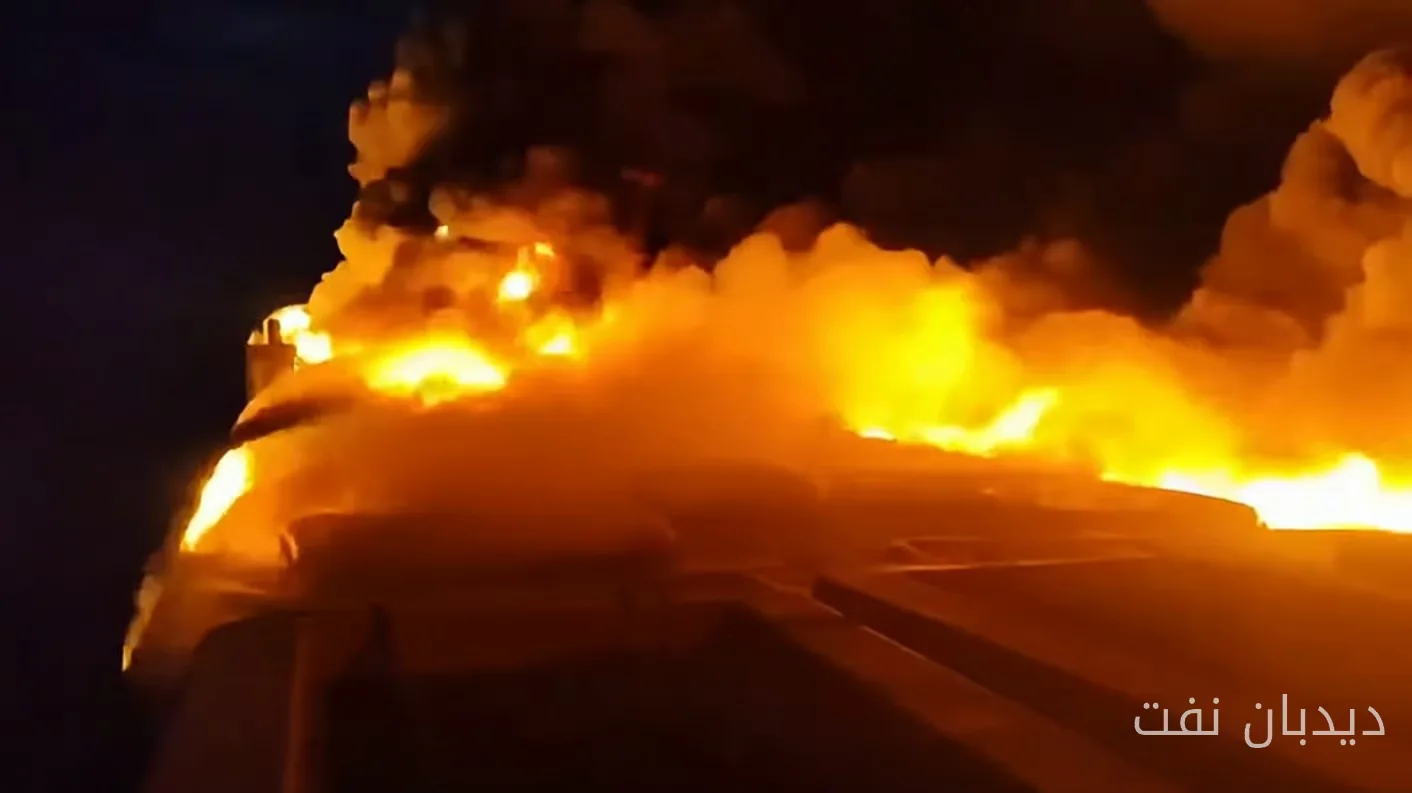
Iran, by selling an oil shipment belonging to the United States, paid 2 billion tomans in compensation to each of the 771 butterfly patients. This action followed a final ruling against the U.S. government due to illegal sanctions and preventing patients from accessing medical equipment.
The Legal Path of Butterfly Patients
U.S. sanctions have caused serious problems for butterfly patients, especially in accessing specialized dressings and medical supplies. 771 of these patients filed a case in Iranian courts, seeking compensation for the material and moral damages caused by these sanctions. This case was initiated by the public organization House of EB and ultimately led to a ruling for compensation.
Read more: Medical Jet Suicide in New England; Search for Survivors Halted
Seizure of Oil Shipment and Payment of Compensation
During the execution of the ruling, an oil tanker was seized in the Persian Gulf. After confirming that the oil shipment belonged to the U.S. government, it was unloaded and sold according to legal regulations. The proceeds from the sale were deposited into the judiciary's account, and then an order was issued to distribute the funds among the patients. Under the supervision of the judiciary and agents, 2 billion tomans were paid to each of the 771 patients. This action not only helped compensate their damages but also demonstrated effective legal pursuit against unjust sanctions.
The lawsuit of the butterfly patients is an example of the struggle for human rights against international pressures. These legal actions can serve as a model for other groups affected by sanctions.
Read more: Musculoskeletal Problems Responsible for 28 Percent of Seafarers Returning Home · Tehran Announces Plans to Target Submarine Cables in the Persian Gulf