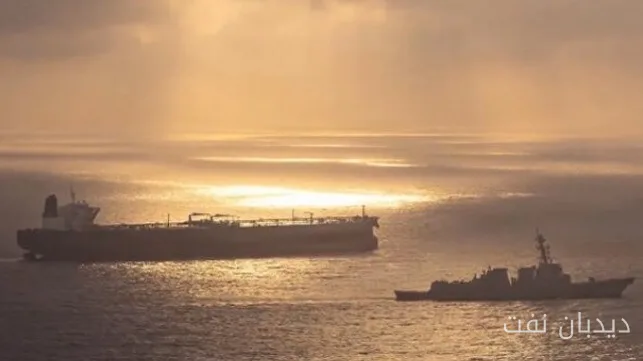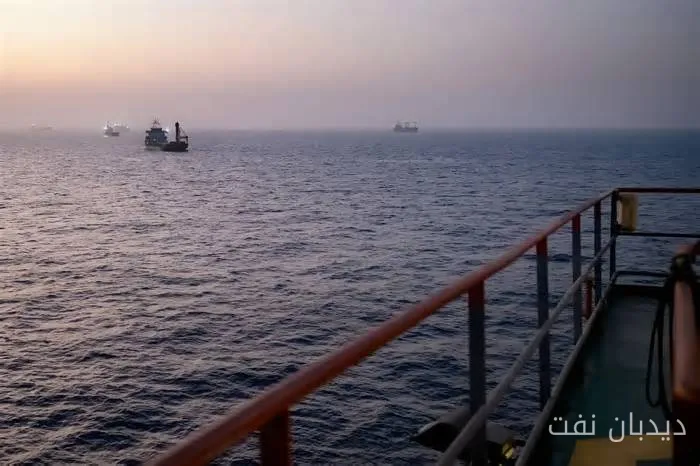
Iran has announced in a new proposal that it will reopen the Strait of Hormuz within seven days if its conditions are accepted. This proposal, presented by Abbas Araghchi, Iran's Foreign Minister, includes a cessation of hostilities in the region and the release of part of Iran's frozen assets.
Iran's Conditions for Reopening the Strait of Hormuz
Tehran has requested a halt to conflicts in Lebanon and Yemen for seven days and has also made the release of at least $12 billion of its frozen assets another condition for this reopening. Additionally, Iran demands an end to U.S. oil sanctions and maritime blockade. In exchange for these conditions, the Strait of Hormuz will be reopened.
Read more: Larijani: The Strait of Hormuz Must Be Preserved with Strength
However, Iran is not seeking a return to pre-war conditions and intends to establish a new route for the passage of ships. This approach will lead to a change in the rules of the game in international waterways. Iran's proposal means that the passage of ships will be conditional on prior permission from Iran and Oman.
Economic and Political Consequences
Reports indicate that Iran is trying to align China and Oman with this plan. This action could transform the new arrangements formed during the war into a lasting political framework. The timing of this plan is also close to the U.S. midterm elections, and the closure of the Strait of Hormuz could impact energy prices and exert more pressure on American consumers and the ruling government.
According to Hossein Mohibi, spokesman for the Revolutionary Guard and in charge of the Yemen file, the end of hostilities in Yemen is also one of Iran's demands. This issue could help reduce tensions in the region and create a basis for new diplomacy. However, it is still unclear whether this condition has been officially included in Araghchi's seven-day proposal.
On the other hand, a day before announcing this plan, Araghchi presented a broader roadmap to U.S. envoys that included a regional ceasefire of up to 60 days, a phased reopening of the Strait of Hormuz, and an end to the U.S. maritime blockade. However, no source has confirmed that such a written document was presented by Araghchi.
Analysts believe that if the Yemen issue enters the Hormuz agreement, Iran could simultaneously affect two vital chokepoints in the region, namely the Strait of Hormuz at the entrance to the Persian Gulf and Bab-el-Mandeb on the route to the Red Sea. This form of diplomacy could lead to a change in the rules for the passage of ships through these waterways.
Ultimately, the main question is who will set the rules for passage if the Strait of Hormuz is reopened and what price the world will pay to end the crisis.
Read more: The Strait of Hormuz; A Route for 20% of the World's Oil Affected by the Energy Crisis · Tankers in the Strait of Hormuz Reached 80% of Pre-War Levels