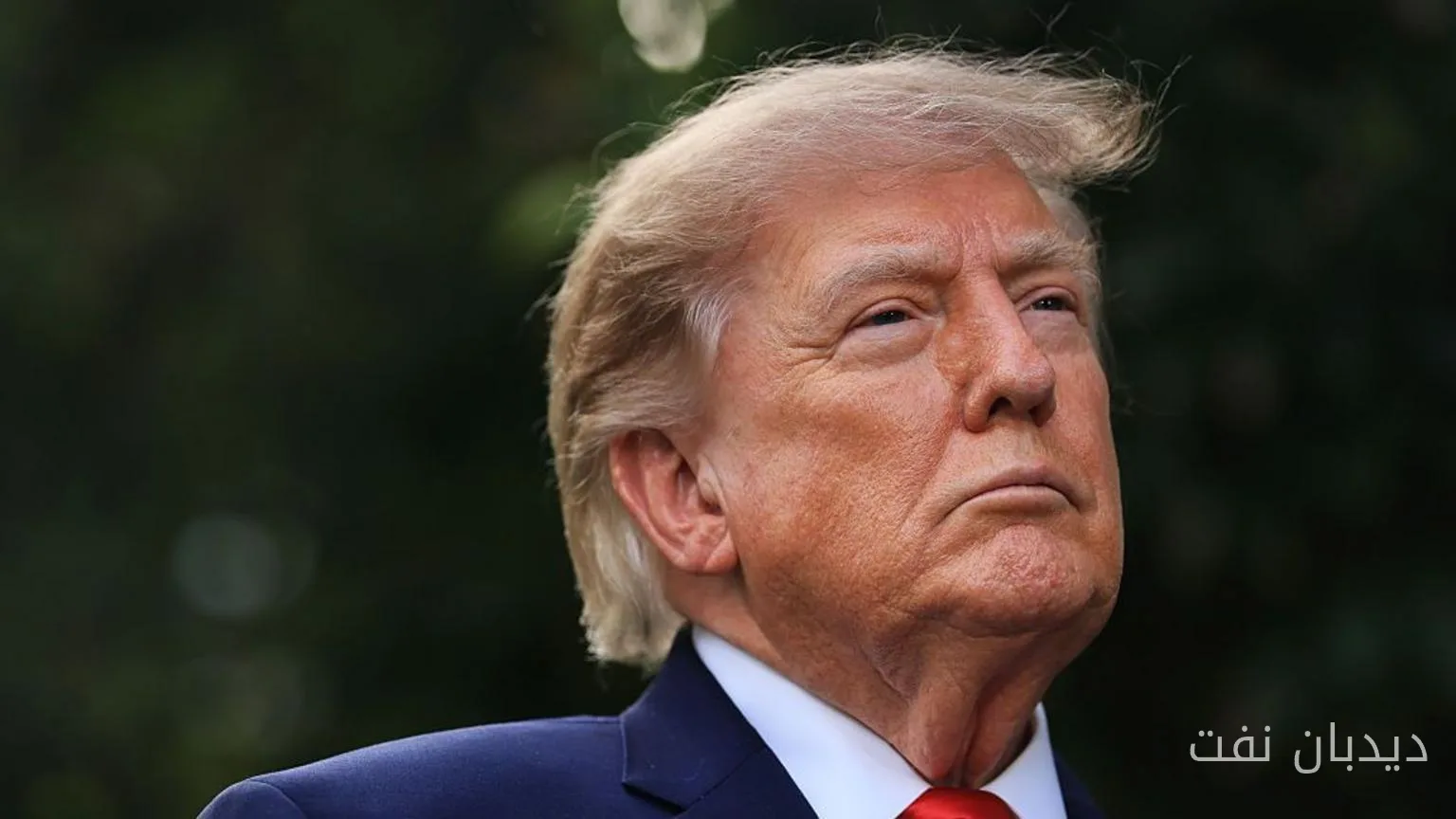
Iran has delivered a specific plan to reopen the Strait of Hormuz within seven days to Washington. Abbas Araghchi, Iran's Foreign Minister, announced that this seven-day period will begin once the United States accepts the plan. If an agreement is reached, normal traffic in the Strait of Hormuz will resume, and hostilities in various fronts, including Lebanon, will cease.
Details of Iran's Plan
According to reports, Iran's plan also calls for ending the blockade of Iranian ports, releasing frozen assets, and exemption from U.S. oil sanctions. Araghchi emphasized that if this plan is accepted, both sides can begin broader negotiations on "agreed-upon issues."
Read more: Iranian oil tankers are heading towards the shores of the United States
The Position of the U.S. and Iran
Washington has not yet announced its official response to Iran's proposal. An American official recently stated that discussions with Tehran through intermediaries are "positive and constructive," and negotiations regarding nuclear issues are ongoing. Meanwhile, an unnamed senior Iranian official clearly stated that even if the U.S. accepts Iran's proposed plan, Tehran will not show flexibility regarding its nuclear program. This official emphasized that Iran will not concede on what it considers its rights, including uranium enrichment and transferring highly enriched uranium abroad.
Reactions from China and Other Regional Countries
Xi Jinping, the President of China, has urged Iran and the United States to return to the framework of the June agreement and continue negotiations to achieve a broader agreement. Iran welcomed China's position, and Masoud Pezeshkian also emphasized the need to return to the Islamabad agreement and resume "serious, fundamental, and results-oriented" negotiations.
At the same time, defense officials from Saudi Arabia, Pakistan, and Turkey have discussed the regional security situation, intelligence cooperation, military coordination, and the integration of defense capabilities in Riyadh. These movements come amid escalating conflicts in Yemen and Houthi attacks, which have put additional pressure on Saudi Arabia, while UNICEF has reported a worsening of acute malnutrition among Yemeni children.
Read more: The entry of the ARC Freedom tanker into the U.S. flag fleet · The U.S. bans diesel exports to control prices



