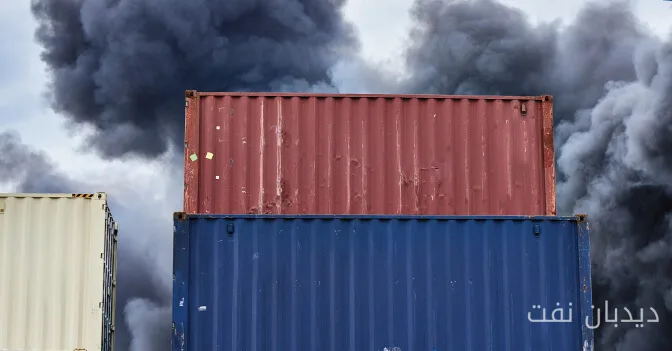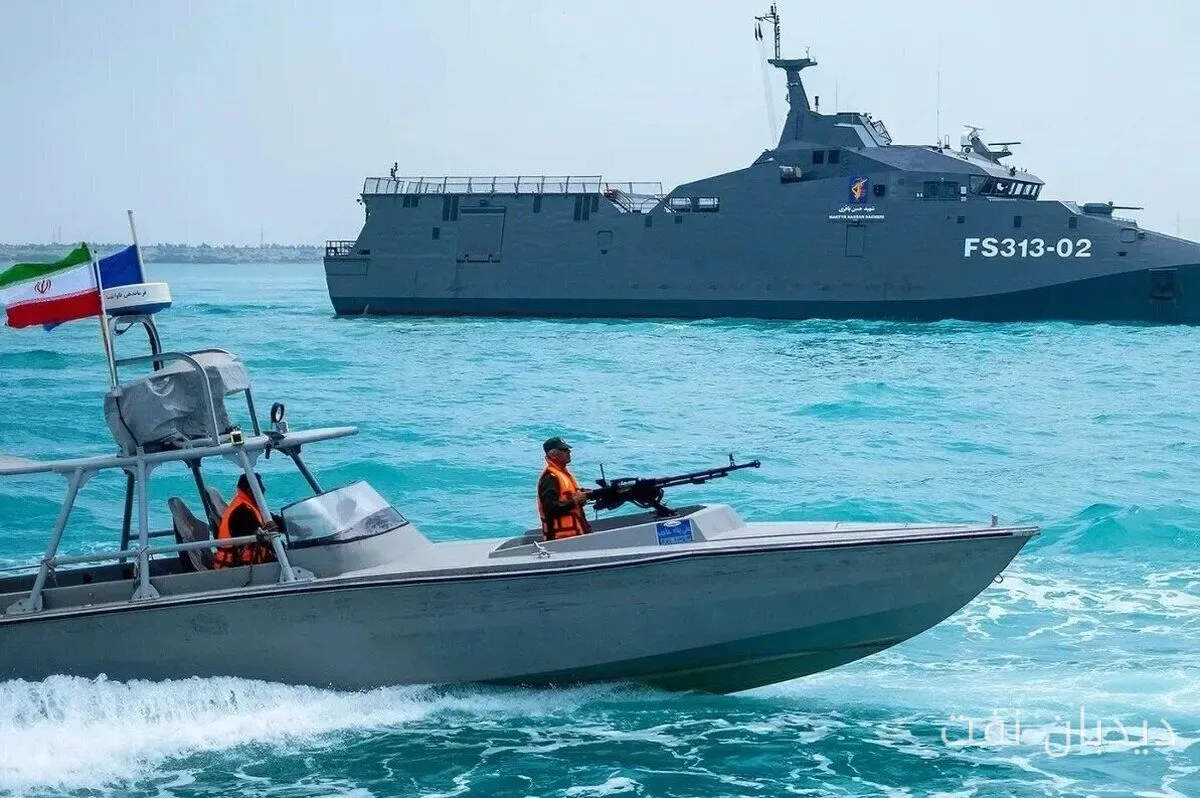
Iran continues to target passing ships in the Strait of Hormuz by adopting new tactics. This change in approach is part of Tehran's efforts to maintain high oil prices and influence the U.S. midterm elections in November.
New Tactics and Their Impacts
Since the recent attacks by the U.S. and Israel, particularly after February 28, Iran has been trying to exert more control over the Strait of Hormuz, through which about one-fifth of global oil and liquefied natural gas trade passed before the war. These restrictions have been imposed specifically to increase pressure on Washington.
Read more: Increase in Maritime Casualties Following Attacks on Commercial Ships
Iran's threats and attacks in this region have severely reduced maritime traffic and increased oil prices. At the same time, some oil shipments continue to pass through the strait. An Iranian official stated that Iran began using new aggressive tactics against ships that Tehran believes violate the announced restrictions on passage about 10 days ago.
Increased Pressure on Washington and Tactical Changes
These officials stated that the new strategy has changed both the type of attacks and the speed and frequency of their execution, with one of its goals being to influence the outcome of the U.S. elections. According to one official, the aim of these actions is to thwart U.S. and allied efforts to lower global oil prices. The decision to adopt this strategy was made at the highest levels of Iran's leadership and coordinated with various sectors of the governing structure.
A U.S. military official also confirmed that Iran has made changes in one of its key tactical aspects and has begun using unarmed observers in small boats to identify potential targets. This official claimed that U.S. forces were able to identify and destroy a traditional vessel known as a "dhow" that was used for identifying and reporting the locations of targets to the Revolutionary Guard.
The increase in attacks on commercial ships in recent days has reached its highest level since the beginning of the war. According to data from maritime security sources, at least five incidents have occurred in the past 48 hours around the Strait of Hormuz, including drone attacks on tankers and other commercial vessels.
Additionally, two Iranian officials stated that Tehran intends to extend the geographical scope of its operations beyond the Strait of Hormuz to include the waters of the Sea of Oman and further areas. This expansion appears to have already begun, with ships in waters near the coasts of Qatar and the United Arab Emirates also being targeted.
Two Iranian officials also indicated that Tehran is moving toward a situation where no vessel that violates Iran's announced restrictions will be allowed to pass through the Strait of Hormuz. This news comes as the level of threat against commercial shipping in the Strait of Hormuz is still assessed as "severe."
Read more: German Commercial Vessel 'Email' Abandoned After Attack at Sea · Grace Roma Victor Tanker Grounded on Turkish Shores After Ukrainian Attack