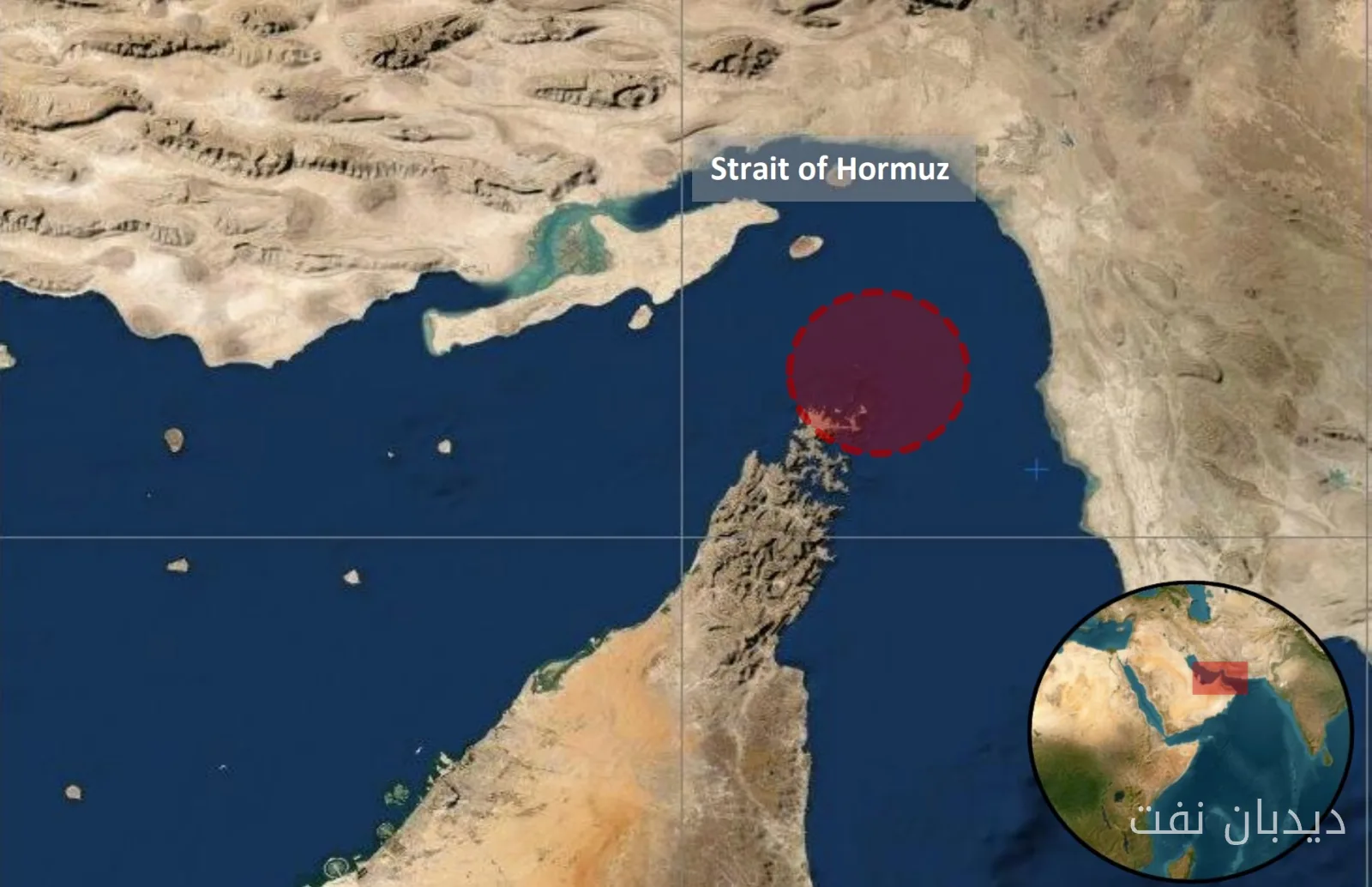
Iran has attacked another tanker in the Strait of Hormuz, causing a fire in the engine room of the tanker. This incident occurred on Monday, October 5, 2026, at 16:37 UTC, and the tanker crew was reportedly attempting to extinguish the fire at the time of the report.
Incident Details
The owner of the tanker informed UKMTO that the vessel was struck by an unknown projectile. Fortunately, no injuries to the crew have been reported, and no environmental damage has been observed. However, UKMTO has advised shipping to exercise caution when passing through this area.
Read more: Baker Hughes and PDVSA Collaborate to Develop Venezuela's Natural Gas Infrastructure
Increase in Iranian Attacks on Energy Shipping
Eurasia Group analyst Greg Stanton estimates that Iran has attacked 11 vessels since last Wednesday. These attacks appear to be part of a new and intense campaign to stop Gulf Cooperation Council (GCC) oil producers from delivering their crude oil to the market.
With extensive American assistance, the shipping interests of the UAE, Saudi Arabia, Kuwait, and recently Iraq have begun transferring oil through the southern waters of the Strait of Hormuz using a “shuttle” method. This method uses fewer high-risk tankers to make round trips between loading docks in the Gulf and the busy port of Fujairah, instead of exposing a large number of chartered tankers to high risk and high insurance rates. At this port, these vessels transfer their cargo to lower-risk tankers to prepare for long-term deliveries.
The shuttle method has been more successful than expected, and based on objective counts derived from satellite data, it shows that Gulf exports have returned to pre-war volumes by the end of September. However, it remains unclear whether Iran's recent attacks could impact the production of this system, either through physical damage to the tankers or by discouraging tanker owners and crews from participating in these operations.
Read more: Increase in Middle Eastern Crude Oil Exports and Its Impact on the Global Market · Mohammad Baqer Qalibaf: The Opening of the Strait of Hormuz Depends on the Fulfillment of 7 Conditions by Iran



