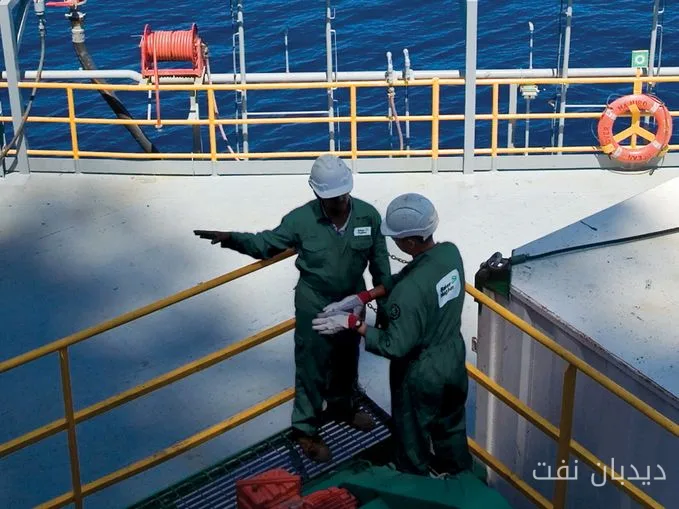
Baker Hughes, the U.S.-based energy technology giant, is collaborating with PDVSA, Lindsayca, and Fulcrum LNG in a strategic alliance to rebuild Venezuela's natural gas infrastructure and establish liquefied natural gas (LNG) export capabilities in the country.
Collaboration Agreements and Goals
The company has signed a new agreement with PDVSA, Lindsayca, and Fulcrum LNG aimed at rebuilding energy infrastructure for gas production. This agreement is accompanied by a separate memorandum of understanding (MoU) with New Stratus Energy to support the future development of oil and gas projects in the country.
Read more: Japan adds 35 tankers linked to Russia to sanctions
These agreements create a business framework that can intertwine upstream resource development, midstream infrastructure, gas monetization, and LNG commercialization, paving the way to unlock Venezuela's significant natural gas potential.
Emphasis on the Gas Value Chain
Lorenzo Simonelli, Chairman and CEO of Baker Hughes, stated: "A central goal of these collaborations is to develop an integrated gas value chain that can transform Venezuela's significant natural gas resources into sustainable domestic supply and future export opportunities, including the possibility of exporting the first molecules of LNG produced in Venezuela."
This alliance combines Baker Hughes' extensive portfolio of energy industrial solutions for the development of oil and gas fields, gas infrastructure, and LNG solutions, with Lindsayca's engineering, procurement, and construction capabilities, and Fulcrum's midstream and LNG project development.
Jesus Bravochalo, CEO of Fulcrum LNG, also remarked: "This strategic collaboration with PDVSA is a historic opportunity to maximize and value Venezuela's natural gas resources and demonstrates the capabilities and expertise of Fulcrum, Lindsayca, and Baker Hughes in developing integrated gas value chains."
Bravochalo continued: "In the short term, we will closely work with PDVSA to identify and implement necessary infrastructure developments and upgrades to meet its domestic gas needs, while seeking opportunities to supply natural gas to the domestic market to support sustainable electricity generation for Venezuela and its people."
Potential Challenges and Barriers
This collaboration will focus on developing specific project agreements and advancing the critical infrastructure needed for processing, transporting, commercializing, and exporting natural gas for the first time in Venezuela's history. As a framework for collaboration, each specific project must be subject to separate definitive agreements, internal approvals from each party, and requirements related to U.S. sanctions and export controls, including licenses issued by the U.S. Department of the Treasury's Office of Foreign Assets Control (OFAC).
Bravochalo concluded: "In the medium and long term, we will assess the development and financing of midstream and LNG infrastructure with new open access that provides PDVSA and other upstream operators with solutions to monetize their gas, positioning Venezuela as a key player in the global gas and LNG industry and helping to meet the growing energy demand worldwide."
The memorandum of understanding with New Stratus Energy also enables Baker Hughes to support the development of future oil and gas projects and leverage its integrated portfolio in subsurface, drilling, production, processing, digital, emissions reduction, power generation, oil and gas monetization, and LNG technologies to maximize resource recovery opportunities and accelerate the development of future projects.



