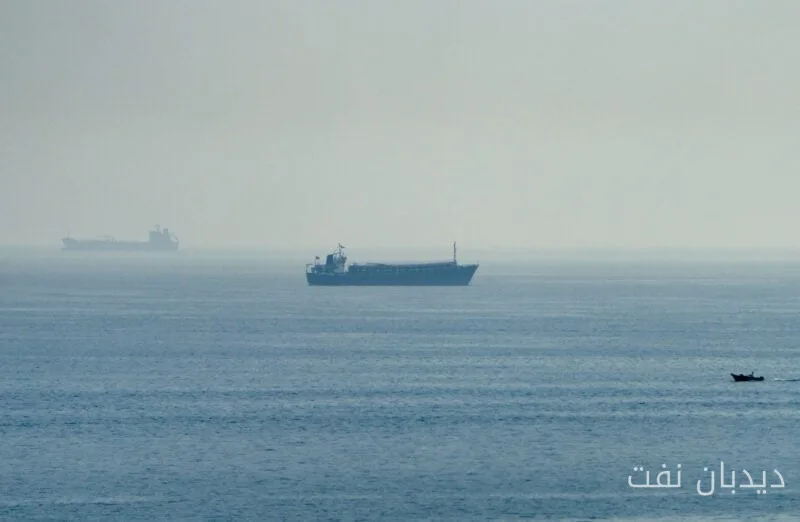
Iran has allowed ships belonging to India, China, Qatar, and Iraq to pass through the shipping restrictions in the Strait of Hormuz. This decision could impact the economic and diplomatic equations in the region.
Reasons for the exemption of ships
Amir Hayat-Moghadam, Vice Chairman of the National Security and Foreign Policy Commission of the Parliament, has stated that these exemptions relate to specific economic and political interests. Iran receives medicine from India and benefits from China's political support. Additionally, Qatar plays a role in mediation efforts to end the war in the region.
Read more: Iranian oil tankers on a new route to Europe
Hayat-Moghadam also mentioned that Indian and Chinese ships pay transit fees, while Qatari vessels pass through this route without payment. No further details have been provided regarding the conditions for Iraqi ships' passage.
Generating revenue from ship passage
Analysts believe that Iran could generate revenue from these exemptions through transit fees or a percentage of the value of the cargoes. Wolfgang Pusztai, an Austrian security expert, described this move as an opportunity to generate income and reduce economic pressure from the U.S. He also pointed out that China is the largest buyer of Iranian oil, with a significant portion of the country's oil exports directed to this destination.
Volume of energy trade through the Strait of Hormuz
According to data from the analytical company Kepler, approximately 10.23 million barrels of oil passed through the Strait of Hormuz in October. Of this amount, about 42% was sent to China and 13% to India. Additionally, the volume of liquefied natural gas exports from Qatar, which had been halted in August, reached 1.8 million tons in October. The volume of oil transit from Iraq also increased from 1.69 million barrels per day to 2.65 million barrels.
These exemptions could not only bring economic benefits to Iran but also strengthen Tehran's diplomatic relations with regional countries. However, experts believe that the impact of these exemptions on global energy prices remains limited, and markets are awaiting more comprehensive agreements.
Read more: New partnership for the development of natural gas fields in Malaysia · European Parliament's Environment Committee opposed the approval of two Indian ship recycling workshops