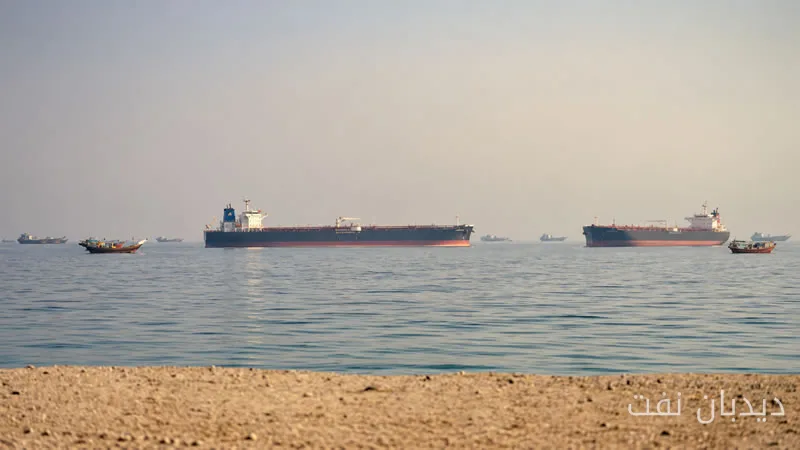
Iran and the US are examining a phased agreement in New York that could lead to Iran reopening the Strait of Hormuz in exchange for a reduction in US economic and maritime sanctions. This diplomatic movement has provided a clear framework for negotiations between the two sides for the first time after months of tension.
Details of the Proposed Agreement
According to reports, Iranian and American negotiators in New York are seeking a phased solution in which Iran could facilitate the passage of ships through the Strait of Hormuz, and in return, the economic and maritime blockade on Iran would be reduced. One of the proposed suggestions is access for Tehran to some of its frozen assets, which could be part of this process.
Read more: Pakistani Analyst: The Persian Gulf Should Be a Safe Route for Energy Transfer
A senior Iranian official on the sidelines of the UN General Assembly believes that the most likely way to break the deadlock is to resolve the crisis in several phases, and the reopening of the Strait of Hormuz should coincide with the end of the economic blockade. However, the two sides have not yet reached a final agreement, and significant differences remain.
Diplomatic Movements and Reactions
These negotiations have emerged after lengthy contacts between the two sides on Tuesday. American and Iranian diplomats in New York have exchanged views, and some of Iran's conditions for reopening Hormuz, such as ending the maritime blockade and releasing frozen assets, were discussed. However, the US government has not yet shown any signs of readiness to lift pressures immediately.
Meanwhile, Iranian officials have adopted a dual tone of negotiation and military readiness. Mohsen Rezaei, Secretary of the Supreme National Security Council, has stated that the US has four to five days to respond to Iran's conditions, and if there is no response, negotiations may halt.
The New York negotiations have also faced mixed reactions within Iran. Some media outlets have criticized the lack of coordination in the contacts made, while Iranian officials emphasize the transmission of Tehran's seven conditions through intermediaries. This discrepancy in narratives reflects a dispute in Tehran over the extent and manner of contact with Washington.
Regional countries are also pressuring to prevent a return to war, with Qatar and Oman working to reduce tensions and restore freedom of navigation in Hormuz. However, there are still no signs of a final agreement between the two sides, and disagreements over the sequence of actions and the implementation of the main agreements remain.
Read more: Iran's Attacks on Oil Tankers and the Increase in Oil Prices to $109 · Development of Economic Relations between Iran and Turkmenistan with a Focus on Energy and Transit



