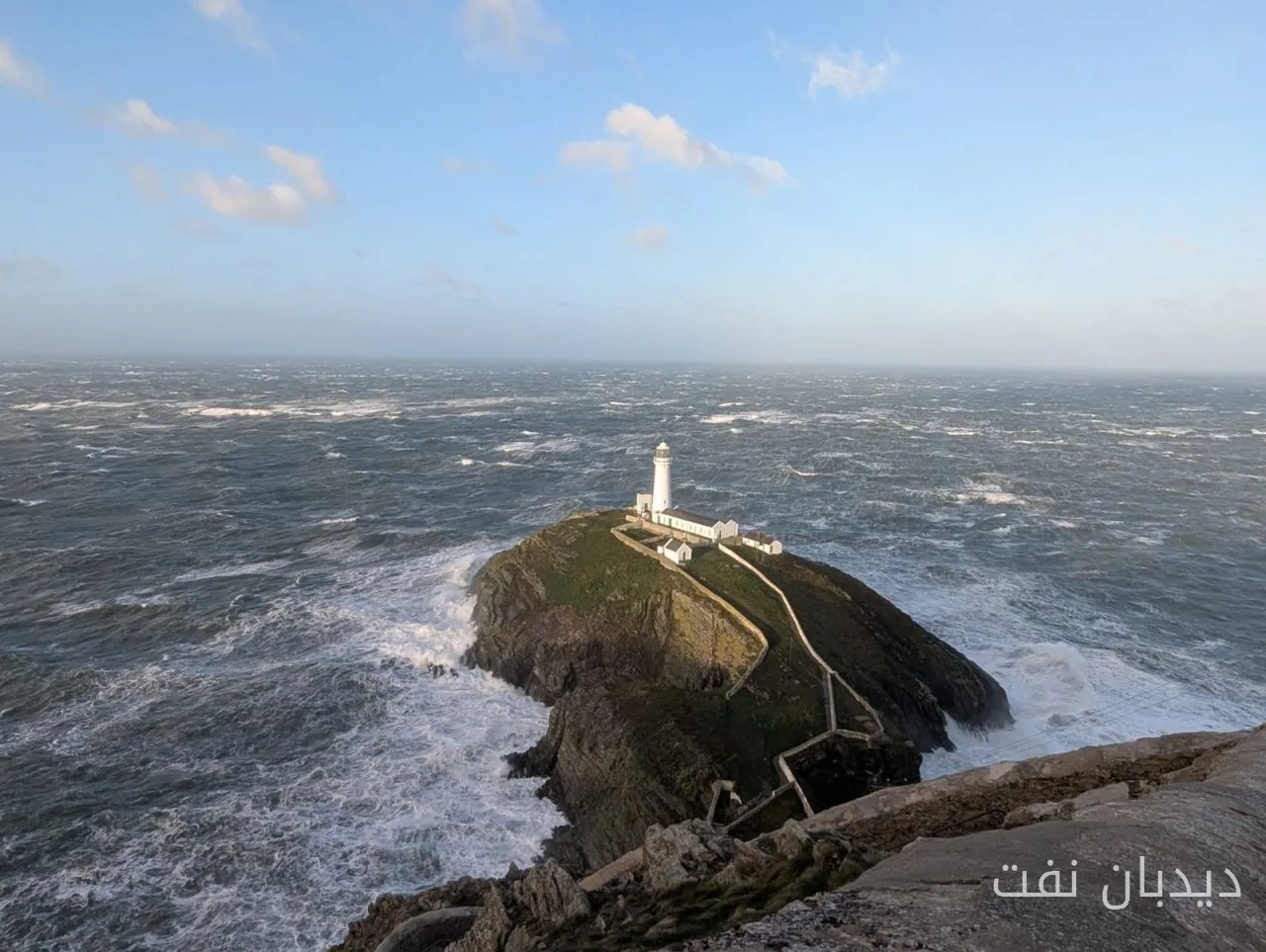
Inyanga Marine Energy Group will soon utilize AI-based wildlife detection solutions in its tidal energy project in Mauritius in Wales.
Collaboration with Ecodetect for Environmental Monitoring
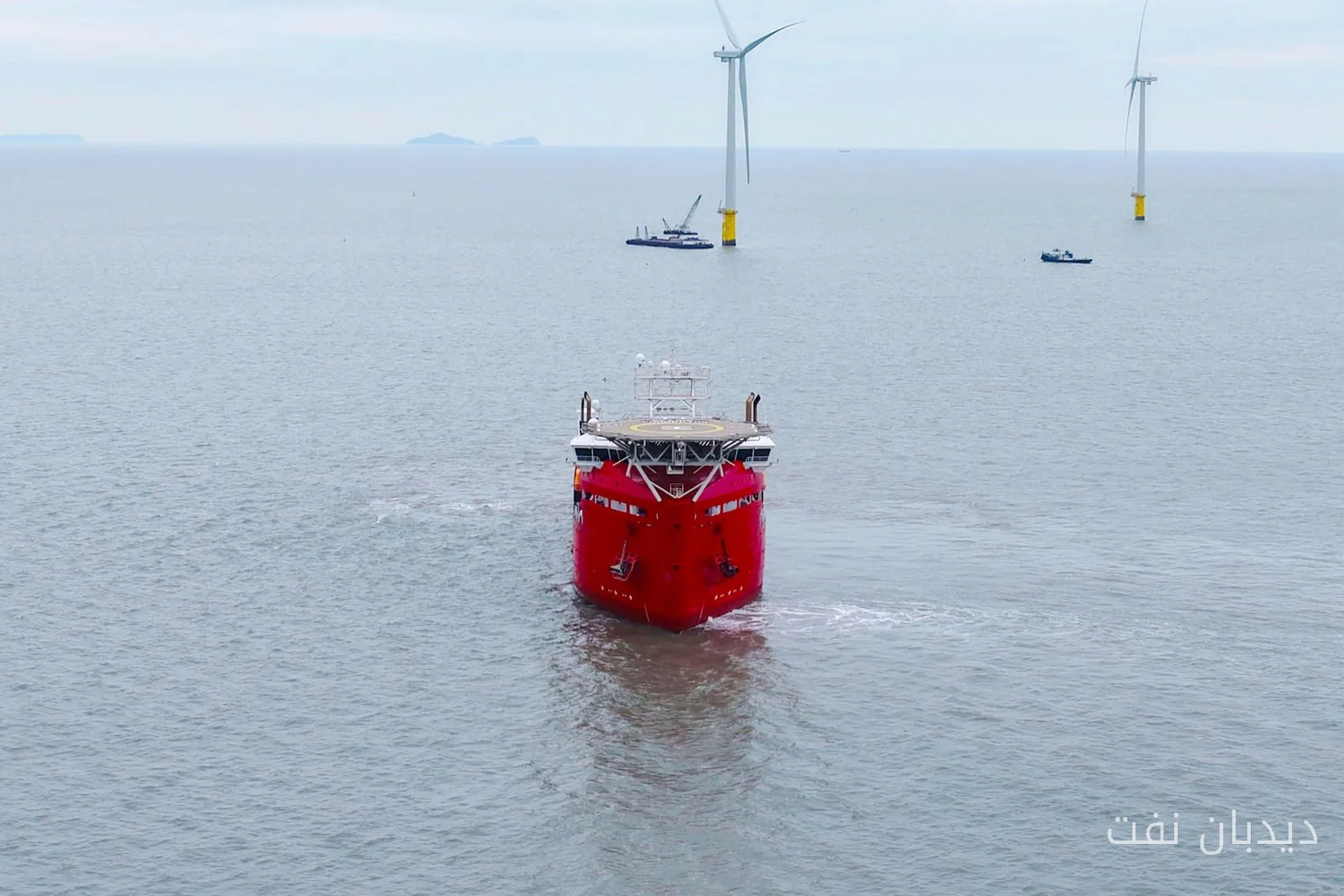
Inyanga's tidal energy division, HydroWing, has signed a contract with Ecodetect to introduce AI-based environmental monitoring solutions to the advanced 30-megawatt tidal energy project located in Mauritius on Anglesey in North Wales. This project is recognized as the largest permitted tidal energy scheme in Europe.
Read more: Wärtsilä and WinGD Sign New Contract to Support Customers
Project Timeline and Details
The first HydroWing tidal energy device is set to be deployed in 2027 in Mauritius. Upon completion of this project in 2030, 18 tidal energy devices, each generating 1.67 megawatts of electricity, will be operational, making it one of the largest tidal energy projects in the world.
According to Inyanga, Ecodetect's AI processes data in real-time during collection and automatically identifies marine wildlife, including seals, dolphins, fish, and seabirds, from algae, debris, and seaweed. Its marine communications network then transmits the results live so that operators can immediately activate protocols to mitigate environmental impacts. This data also provides the necessary evidence to demonstrate compliance with UK, EU, and international environmental standards.
Richard Parkinson, CEO of Inyanga Marine Energy Group, said: "Tidal energy projects operate in sensitive marine environments. Ecodetect's AI-based monitoring solutions will help us balance performance and environmental responsibility. By continuously identifying marine life interactions and assessing infrastructure activities, we will be able to minimize ecological risks while maximizing energy efficiency."
Read more: Transformation in the Maritime Industry Using AI by Orbius · 98% Reduction in Gas Consumption in Refineries with AI