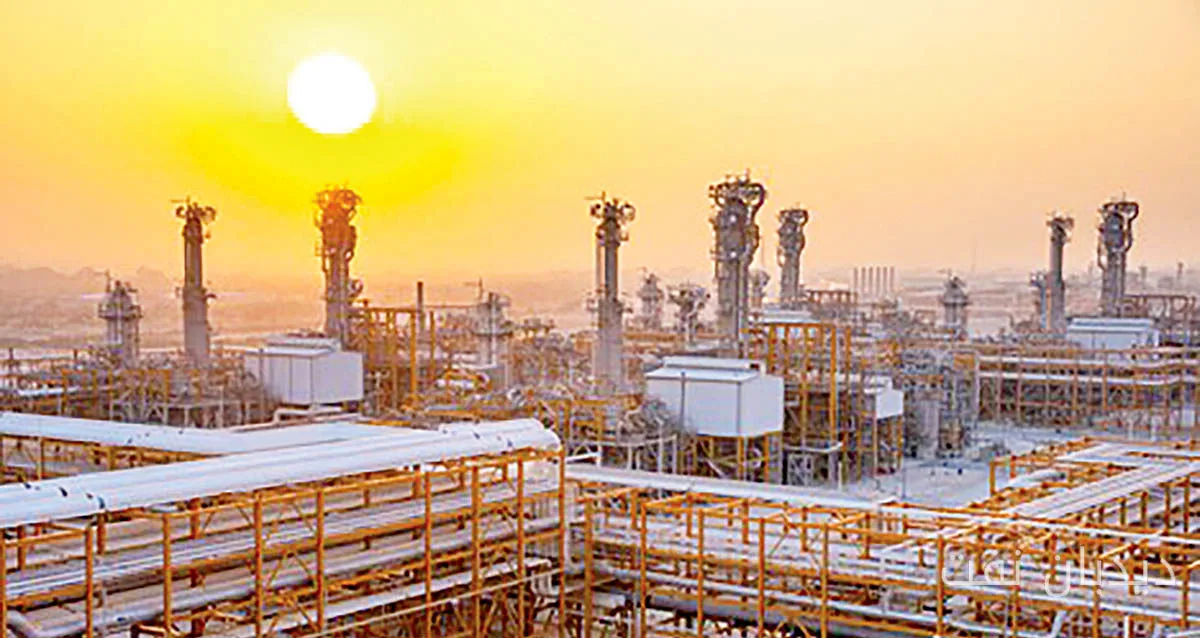
In light of the significant rise in oil prices, India, as one of the largest energy consumers in the world, is calling for an increase in biodiesel and other biofuels production. This action could be seen as a strategic measure to reduce dependence on oil imports and enhance self-sufficiency in this area.
Energy Market Challenges
With oil prices reaching unprecedented levels, India is looking for ways to alleviate the economic pressures arising from this situation. Biodiesel, produced from raw materials such as vegetable oils and animal fats, has been proposed as a sustainable and environmentally friendly solution for energy supply. The Indian government is seriously considering the necessary infrastructure to expand the production of this clean fuel.
Impacts on the Global Market
Increasing biodiesel production in India could impact the global energy market. Given that India is one of the largest oil importers in the world, this change could lead to a decrease in demand for crude oil and consequently affect global oil prices. In this context, experts believe that India could be recognized as a key player in the global energy market by investing in biodiesel production.
However, there are also challenges along this path. Securing raw materials, production infrastructure, and the need for modern technologies are among the barriers to biodiesel production in India. The Indian government must collaborate with the private sector and research institutions to overcome these challenges to achieve its goal of sustainable biofuel production.
Ultimately, India's request to increase biodiesel production is not only a response to rising oil prices but could also be considered an important step towards sustainable energy supply and environmental protection. Given these developments, the future of the energy market in India and its impacts on the global economy will be an intriguing and significant topic for many analysts.