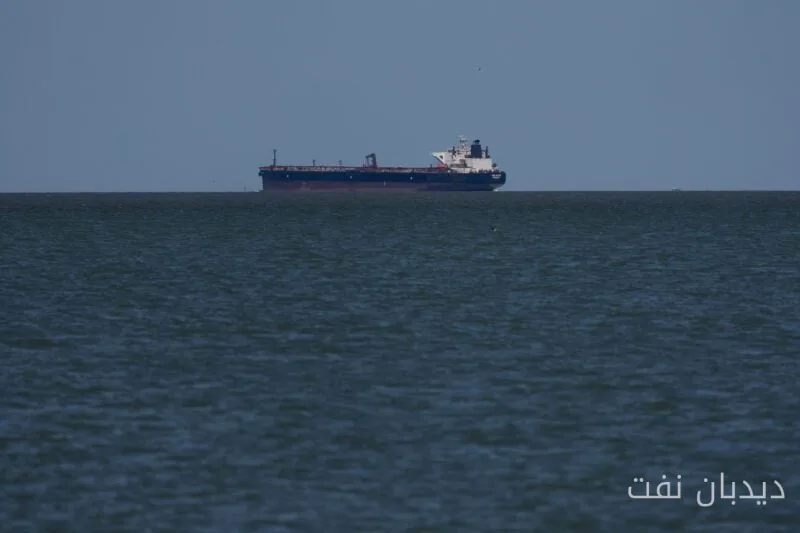
Congress is examining the Jones Act waiver during Donald Trump's presidency, with Representative Salud Carbajal from California seeking explanations regarding compliance with immigration, tax, and maritime laws by foreign vessels. In a letter to Mark Wayne Mullen, the Secretary of Homeland Security, Carbajal expressed his concerns about government oversight of this waiver, especially following reports that foreign-flagged tankers have transported millions of dollars in petroleum products between U.S. ports without the necessary disclosures.
Details of the Jones Act Waiver
The letter references reports published in September that identified evidence of 14 previously unreported voyages by domestic tankers. This adds to a report released by Bloomberg Government indicating that at least twelve foreign vessels have transported over $40 million in petroleum products without being recorded in the public records of the Maritime Administration (MARAD) waiver. The missing voyages raise questions about the extent of foreign vessel activity under this emergency waiver.
Questions About Laws and Taxes
Carbajal has also raised questions about the immigration status of foreign mariners working on vessels with domestic voyages. Federal immigration laws generally prohibit the work of foreign mariners who have entered under non-immigrant D status in relation to the movements of domestic vessels. He has requested DHS and CBP to explain how these restrictions apply to foreign officers and crew and what legal authorization allows them to work on these voyages.
Additionally, questions about taxes have been raised. Recent guidance from the Internal Revenue Service (IRS) has clarified that income from foreign companies transporting cargo between U.S. ports under this waiver is considered domestic-source income and is not subject to the international shipping income exemption under Section 883 of the Internal Revenue Code or treaty-related benefits.
Carbajal has requested information on whether DHS has coordinated with the Department of the Treasury and IRS to identify owners, operators, and charterers of foreign vessels utilizing this waiver. He has also requested details regarding the enforcement of other requirements, including maritime security, environmental protection, safety and inspection of vessels, wages, labor and employment, and customs duties and port maintenance.
As new questions arise, the government has tightened the waiver issuance process. The second 90-day extension, effective August 17, requires operators to first submit a request for vessel availability so that the government can determine whether a U.S.-flagged vessel is available before allowing the movement of foreign vessels.
Carbajal has stated that public information indicates that over 25 domestic voyages have been completed under this current waiver, which includes multiple voyages by certain vessels. This waiver was originally issued in March due to energy supply disruptions caused by the war with Iran, and the current extension will last until November 15.
In his letter, Carbajal emphasized the importance of oversight on this matter, stating, "Congress has a responsibility to ensure that the national defense waiver is not viewed as a broader exemption from federal laws."
Read more: Oman signed the EU's commitment to freedom of navigation · The importance of learning from maritime successes in managing navigation safety