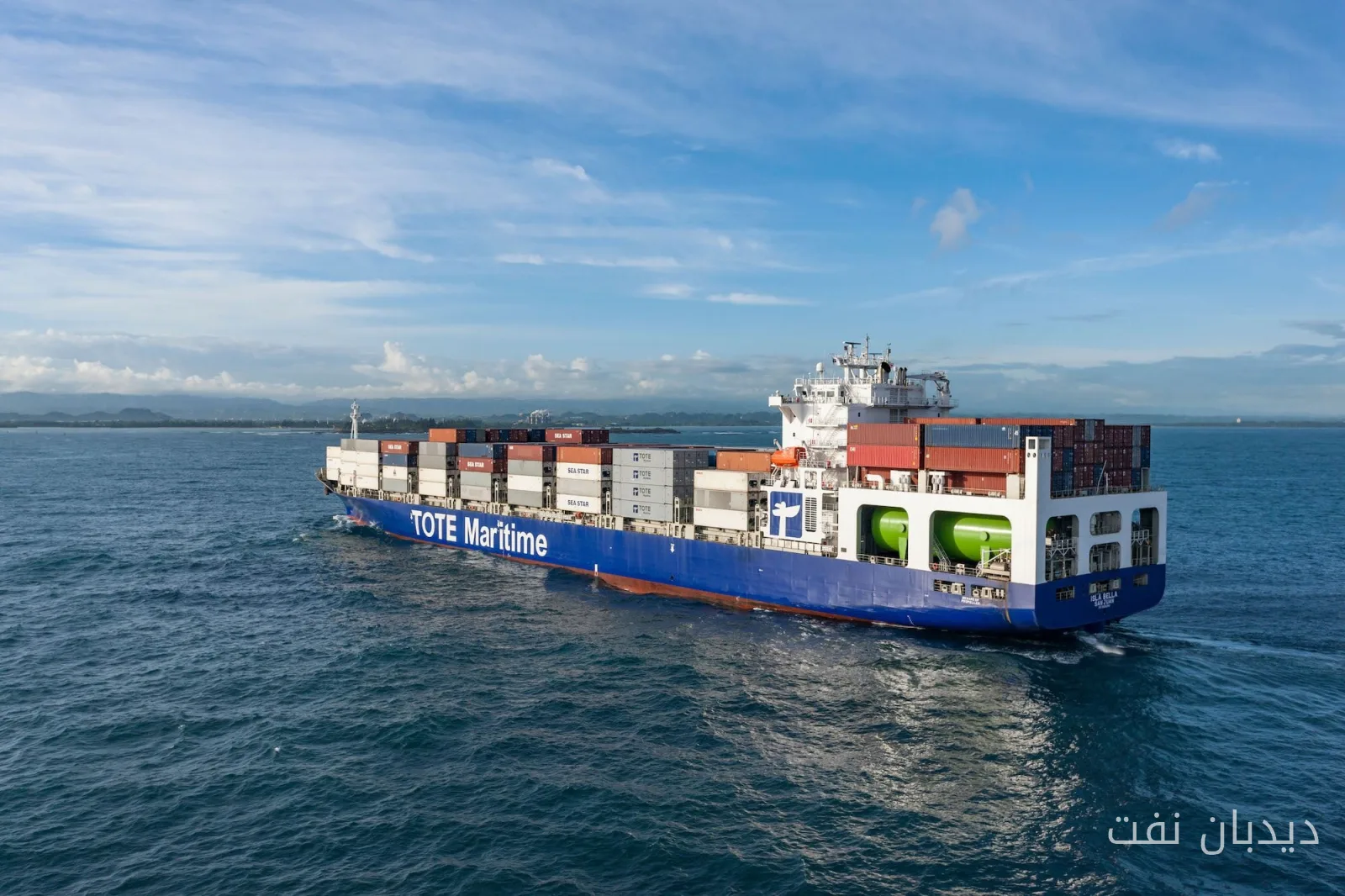
The number of liquefied natural gas (LNG) vessels has now exceeded 1550, indicating significant growth in the maritime industry. Since the establishment of the SEA-LNG coalition in 2016, the number of these vessels has only been 81.
Significant growth in LNG vessel orders
According to published data, in the first half of 2026, 73 dual-fuel LNG vessels were ordered, accounting for nearly 90 percent of all alternative fuel orders. In August alone, 46 new vessels were added to this total, a large portion of which included container ships and car carriers.
Read more: 73% decrease in clinker exports in Iran's cement industry
This continuous growth in vessel orders reflects the industry's confidence in LNG as a cleaner and more accessible fuel compared to heavy fuels. However, the industry also faces challenges that require more attention.
Challenges from methane leakage
One of the main challenges in using LNG is the issue of methane leakage from the engines of these vessels. On average, in four-stroke dual-fuel engines, the methane leakage rate reaches 6.4 percent, which is nearly double the 3.1 percent threshold set by the European Union. This methane leakage, as a greenhouse gas stronger than carbon dioxide, has significant environmental impacts.
Research shows that methane leakage is worse at low engine loads, where vessels spend part of their operational time. Therefore, it has been suggested that authorities increase the leakage standard for this type of engine to at least 6 percent.
The FUMES project, published in January 2024, examined methane leakage in the exhausts of 18 LNG-fueled vessels and found that the average leakage rate reaches 6.4 percent.
In this context, several companies have begun developing new technologies to reduce methane leakage. For instance, various technologies including oxidation catalysts and plasma units have been introduced to mitigate methane leakage.
These challenges and research efforts aim to improve awareness and technologies related to methane leakage in LNG-fueled vessels, and the industry is collectively seeking solutions to improve the current situation.
Read more: 30% decrease in diesel production in Russia due to Ukraine attacks · 200% increase in energy production in solar and wind power plants in South Khorasan