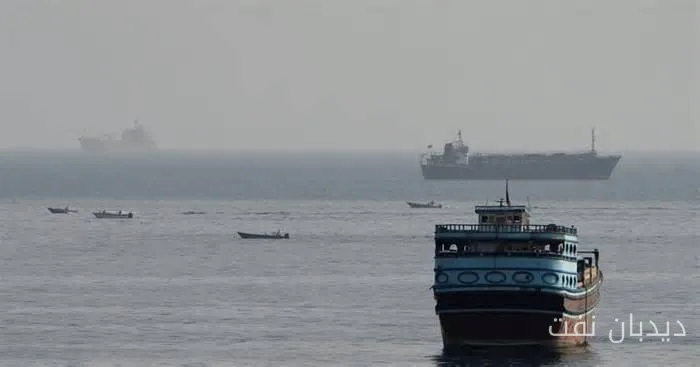
The Strait of Hormuz, one of the most vital maritime oil transport routes, is recognized as a strategic point in global oil trade. On Tuesday, a report was published about a significant increase in tanker rentals in this region, attributed to international sanctions and the resulting restrictions.
Background of Sanctions and Their Impact on Oil Trade
The economic sanctions imposed against Iran, particularly in the oil sector, have led to significant changes in the way tankers are rented and utilized. Given that a large portion of Iran's oil exports is conducted through the Strait of Hormuz, these sanctions have put additional pressure on shipping companies and oil traders. Consequently, tanker rentals have increased significantly due to the reduced number of available ships and the heightened risks associated with the sanctions.
Read more: Donald Trump: Oil is Passing Through the Strait of Hormuz
New Challenges Facing Iran's Oil Trade
The increase in tanker rentals due to sanctions has created new challenges for Iran's oil trade. Currently, high transportation costs may lead to reduced profitability of oil exports, consequently affecting Iran's substantial revenues from this sector. Additionally, this situation could reduce the competitiveness of Iranian oil in the global market. Given these circumstances, stakeholders in Iran's oil industry must adopt new measures to navigate this crisis and continue their commercial activities.
Read more: Decrease in Ship Passage Through the Strait of Hormuz to Lowest Level in 10 Days · Tanker Shipment Identified on Sanction Route with Uncertain Date