Saudi Arabia has sold about 20 million barrels of oil to Asian refineries this week, which will be delivered via ship-to-ship transfer from the Gulf of Oman in the months of September and October. Buyers include state-owned and independent refineries in China and other East Asian importers.
Ship-to-Ship Transfer and Passage through Hormuz
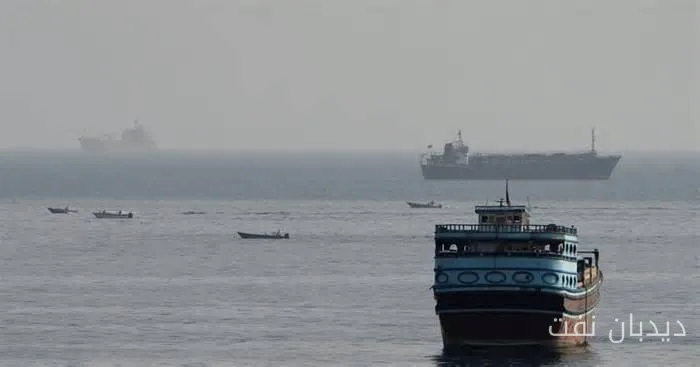
The shipments will be delivered via ship-to-ship transfer from the Gulf of Oman, meaning the oil still needs to pass through the Strait of Hormuz, but the buyers are not responsible for that part of the journey. This method allows Saudi Arabia to evade international sanctions and restrictions while continuing to meet the needs of the Asian market.
Read more: Santos Signs LNG Supply Agreement with POSCO and Canada LNG Project
Increased Oil Purchases by Japanese Refineries
Japanese refineries have also increased their purchases from the region under these circumstances. Companies like ENEOS Holdings and Idemitsu Kosan have recently purchased Omani oil for loading in October. Two shipments of two million barrels have been traded at $38 above the Dubai benchmark, whereas this price difference is normally around one to two dollars.
Saudi Arabia has significantly increased loading from its eastern ports after the East-West pipeline from Iraq was targeted. Data from tanker tracking company TankerTrackers shows that on Tuesday, September 24, 8.7 million barrels of Saudi oil were loaded at Gulf terminals, nearly three times the daily average of the previous week.
Meanwhile, Cedric Cremers, head of Shell's integrated gas division, pointed out disruptions in liquefied gas supply at the GasTech conference in Bangkok, stating that nearly seven months of disruption in the Middle East has removed 36 million tons of liquefied gas from Qatar and the UAE from the global market.
Executives at the conference warned that reopening the Strait of Hormuz alone would not immediately restore gas flow, as damaged facilities and disrupted shipping require time to recover. Salim Al-Aufi, Oman’s Minister of Energy and Minerals, has also called for identifying alternative export options.
Security Threats and Vessel Monitoring
This ship-to-ship transfer mechanism is precisely what the "Gulf Waterway Management" authority of the Islamic Republic of Iran has targeted. This authority raised its list of "violating" vessels to 77 on Monday and warned that any vessel working with one of them via ship-to-ship transfer will be added to the list.
Moreover, passing through the Strait of Hormuz without the accompaniment of the U.S. Navy is practically impossible. According to reports, the U.S. military escorted 40 commercial vessels carrying 18 million barrels of oil through the strait on September 11 alone.
Finally, Brent crude fell by 72 cents to $108 on Wednesday.