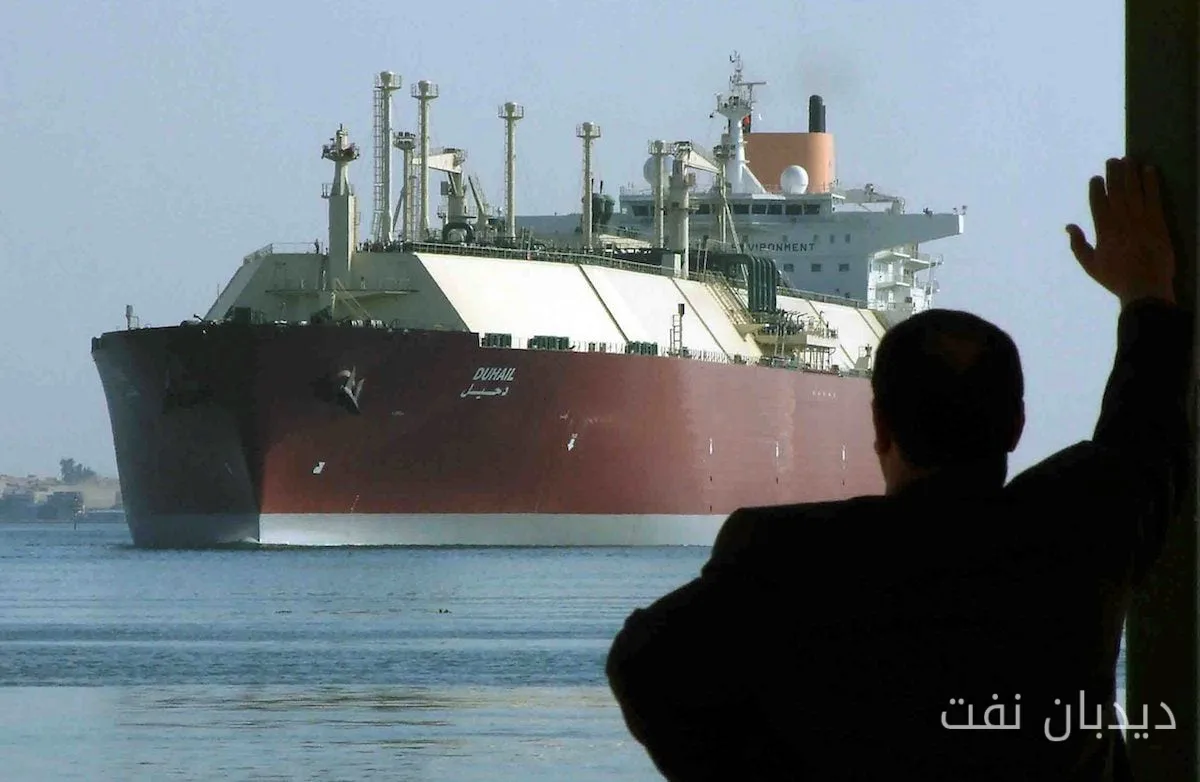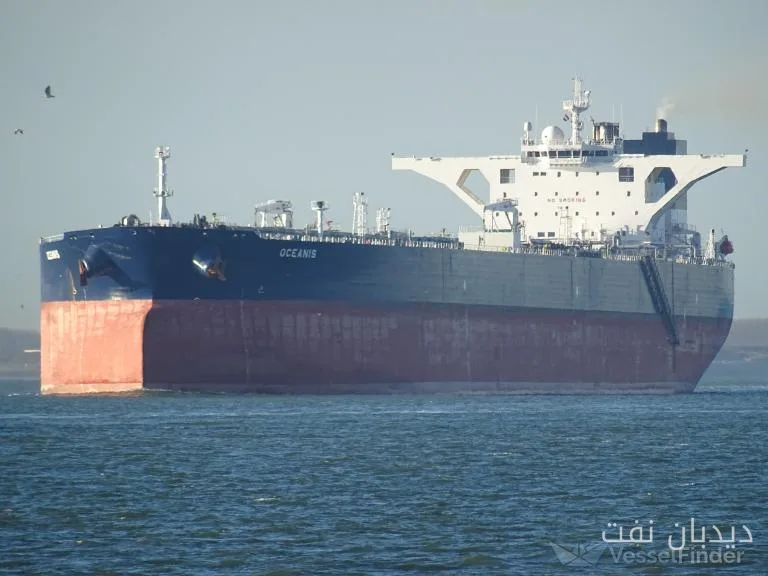
The price of second-hand tankers has reached $235 million, indicating an 82% increase compared to the price of new tankers. This price increase is due to specific market conditions and existing transportation issues in the Middle East.
Tankers Market Status
Currently, the tankers market is influenced by geopolitical tensions and increased demand for transportation. In particular, Very Large Crude Carriers (VLCCs), which can earn over a million dollars daily, are considered one of the focal points in this market. Under current conditions, the price of second-hand tankers is significantly higher than that of new tankers, as the delivery of new tankers requires a longer time.
Read more: Sale of New Capital Axis Maritime Tanker for $90 Million
Specifically, if a new VLCC tanker is ordered today, its delivery will be postponed to 2029. While second-hand tankers are capable of immediate operation, this has led to a sharp increase in their prices.
Factors Influencing Price Increase
According to available reports, the price of second-hand tankers has currently reached $235 million for immediate delivery. In comparison, the price of a new tanker is $130 million. For this reason, many oil producers in the Middle East are looking to purchase second-hand tankers to transport their oil more safely. Given the ongoing attacks by Iran on tankers in the Strait of Hormuz, this trend seems natural.
This situation has caused the tankers market to become highly illiquid, and the number of transactions has sharply decreased. Tanker owners, due to the high income they are currently earning, are reluctant to sell their ships, and on the other hand, with rising prices, their willingness to sell decreases every day. This leads many owners to seek to sell their ships in the future to capitalize on the high market benefits.
The history of this situation dates back to 2008 when tanker prices peaked due to high demand and China's economic growth. However, the conditions are different now, and this time the increase in tanker prices is due to weaknesses arising from geopolitical developments, not just economic demand.
As a result, given the current market situation, it seems that the prices of second-hand tankers will continue to rise, which could have significant impacts on the oil transportation process and global oil prices.
Read more: Eidesvik Offshore Signs New Contract for the Viking Queen Ship · International Seaways Expands Tanker Cargoes Through Merger with Bruton