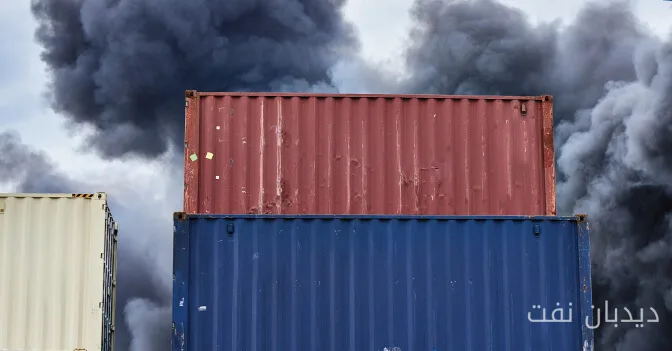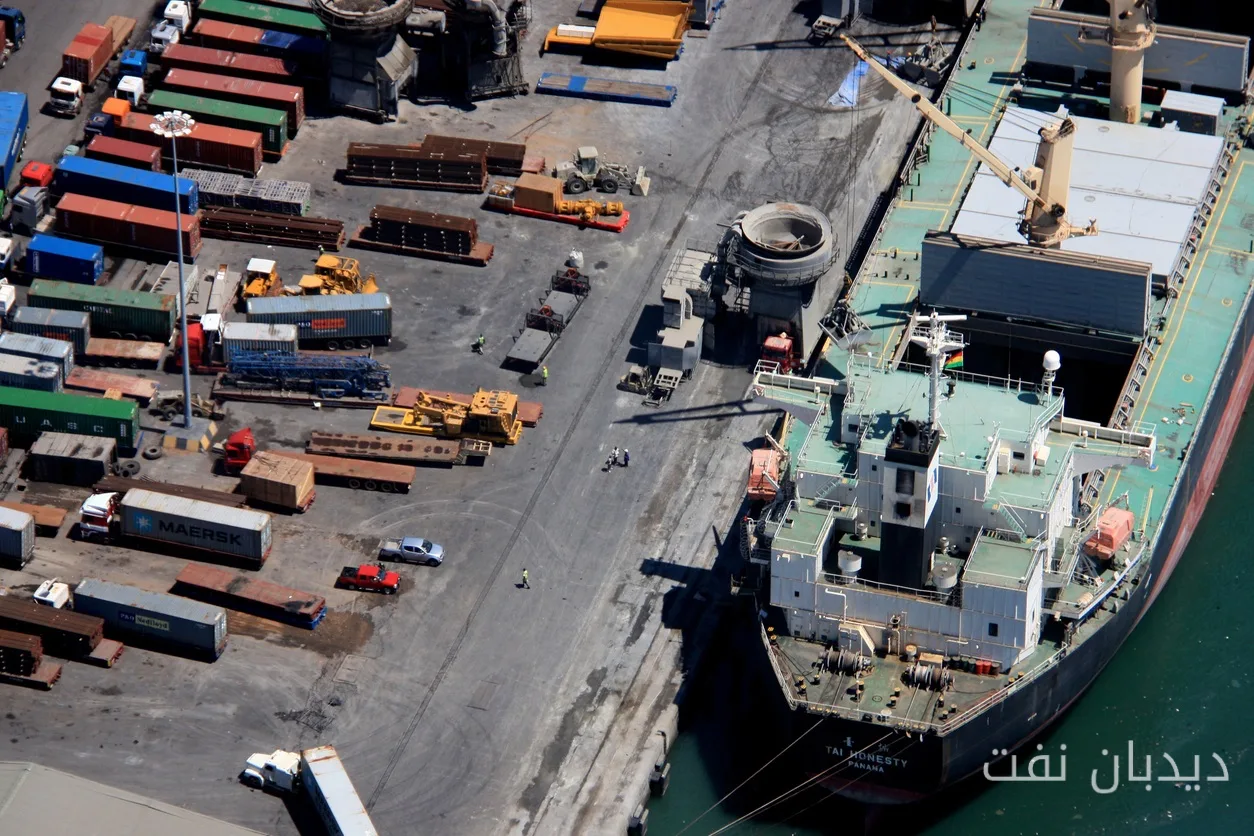
The global organization MACN (Maritime Anti-Corruption Network) is investigating corruption practices in ports that affect maritime transportation costs. This organization focuses on facilitation payments (small bribes) that are common in some ports. According to existing reports, this type of corruption can increase transportation costs by up to 15 percent, with annual costs reaching approximately 160 million dollars.
Challenges Arising from Corruption in Ports
Experience shows that in some ports, official requests for small and informal payments such as cash, food, or cigarettes are common. This situation puts seafarers in a difficult position; they are forced to choose between paying a bribe or facing fake regulatory actions that may cause delays in loading and unloading the ship. These delays can incur significant costs for shipping companies.
Read more: Decrease of 230 million cubic meters in gas production capacity in the north of the country
MACN Initiatives to Combat Corruption
The MACN organization, with over 200 members, has implemented measures to combat these corruption practices. These measures include sharing best practices, training seafarers to identify and report corruption demands, collecting reports related to corrupt requests, and providing information on specific corruption risks in ports. The goal of these actions is to build sufficient resilience against corruption and draw attention to this issue for effective action by local authorities.
Ultimately, MACN acknowledges that corruption not only adds a financial burden on shipping companies but also negatively impacts service quality. This organization strives to help reduce this type of corruption by promoting transparency and fostering collaboration among stakeholders, moving towards a cleaner and fairer maritime industry.
Read more: Details of the investigation and scrutiny plan for the oil sales process and the performance of trusts · New policy of Emirates shipping: prohibition of transporting plastic waste from October 1