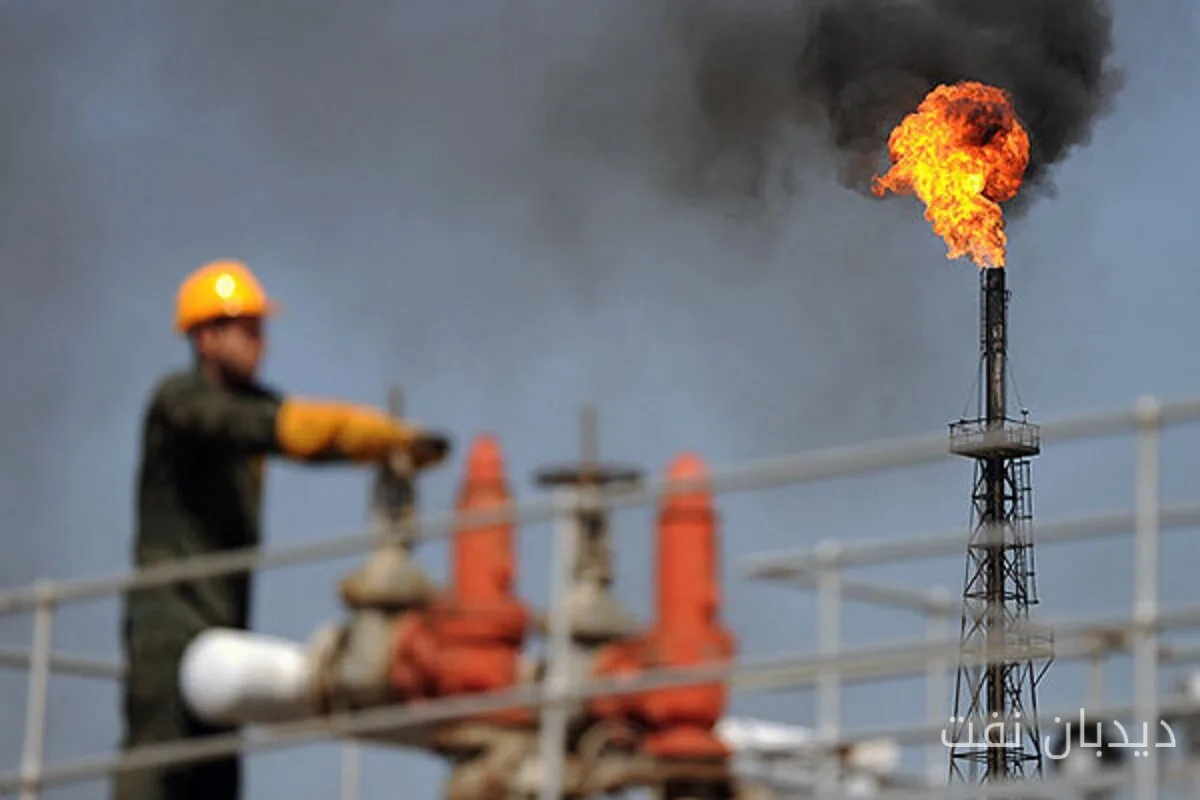
The reduction of approximately 230 million cubic meters of the country's gas production capacity due to attacks on four gas refineries in Assaluyeh in the last days of Esfand 1403 has created a critical gas supply situation in Mazandaran, Golestan, and North Khorasan. These provinces, being at the end of the gas transmission network, are experiencing the most damage from this capacity reduction.
Efforts to Restore Production Capacity
Saeed Tavakoli, the head of the National Iranian Gas Company, announced that about 95 million cubic meters of this capacity has returned to the production cycle so far. As the second half of the year approaches, meetings are being held to review gas supply plans in these three provinces with the presence of the Minister of Interior and senior managers from the Ministry of Oil and other related organizations. Solutions such as alternative fuel storage and energy consumption management have been proposed.
Read more: Iran's electricity imbalance; achieving 2000 megawatts from the 7000 megawatt solar power plant plan
Gas Consumption and Challenges in Northern Provinces
Golestan province, with a population of about 1,869,000, normally consumes about 5 million cubic meters of gas per day, which increases to 16 to 20 million cubic meters on cold days. Seyed Mahdi Mohiayi, the Deputy for Urban Development of Golestan, mentioned the possibility of gas outages in the next 60 to 90 days and emphasized the necessity of using alternative fuels in industries.
In North Khorasan, total gas consumption is estimated at about 8.8 million cubic meters per day, and necessary planning for fuel supply in the cold season has been carried out. Seyed Mojtaba Alavi-Moghadam, the Deputy for Urban Development, referred to fuel storage as a priority for this province and considered the distribution of oil as an alternative fuel important for rural areas.
In Mazandaran, which has a population of about 3,283,000, gas consumption peaks at 42 million cubic meters on high-demand days. Hezbar Javadi, the CEO of the Mazandaran Gas Company, announced the necessity of equipping non-residential subscribers with alternative fuel and pointed out potential challenges in gas supply in the upcoming winter.
Abdul Jalal Eiri, the spokesperson for the Parliament's Urban Development Commission, reported on the Parliament's efforts to import gas from Turkmenistan at a rate of 25 to 27 million cubic meters per day, which could help meet the gas shortfall in the northeast of the country.
Read more: Head of the Judiciary of Rudan County: Identification of 163 violative vehicles refueling · Unprecedented profits of oil tankers following intensified sanctions and geopolitical tensions