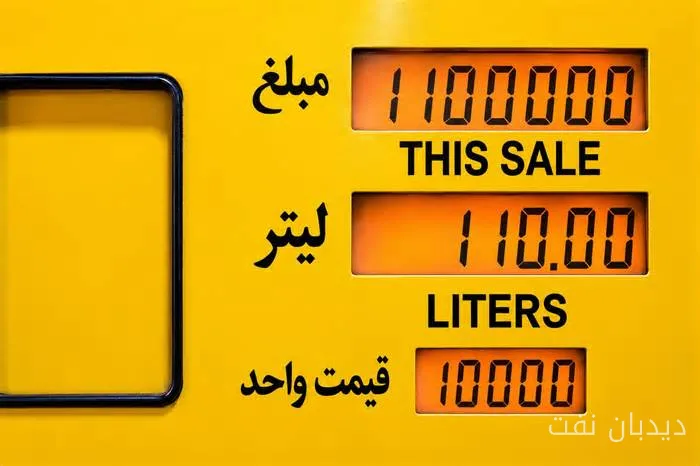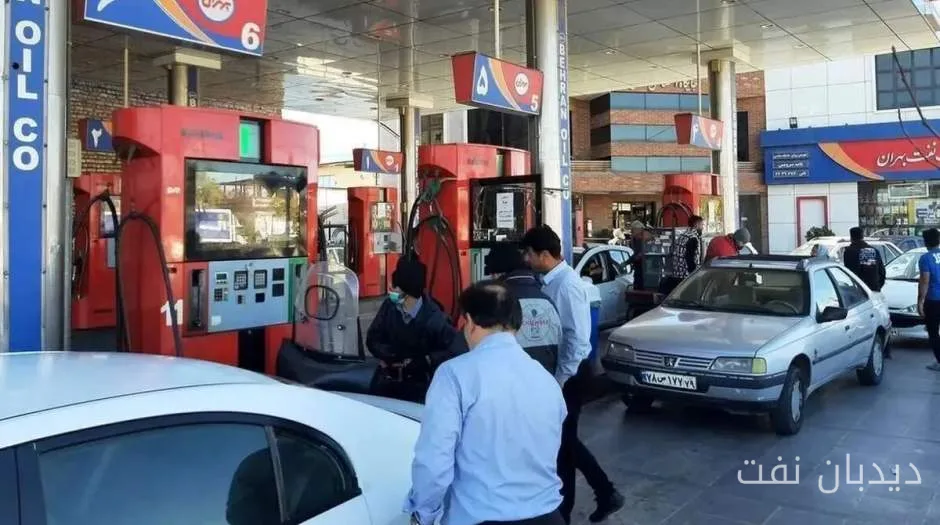
Recently, the news of the increase in gasoline price to 10,000 tomans has become one of the hot topics. The government's decision in this regard is examined not only as an economic measure but also as a reaction to the energy crisis and wartime conditions. With the rise in gasoline prices, the government aims to alleviate the pressures caused by the shortage of energy resources.
Economic and Social Necessities
The increase in gasoline price to 10,000 tomans is, in fact, a response to the immediate needs of the country at a time when energy resources are severely depleting. This decision is presented as an economic necessity to secure financial resources for crisis management while also mitigating its social repercussions. However, there are many questions about the social and economic consequences of this price increase in society.
In a situation where economic pressure on families has significantly increased, this government action can be seen as a serious challenge to people's livelihoods. Gasoline, as one of the essential items in people's daily lives, will have a direct impact on the prices of other goods and services.
Future Outlook
While the government justifies this decision as a strategic necessity for preserving energy resources, economic experts warn about its consequences. It seems that this price increase is merely a temporary remedy for the energy crisis and will soon require more serious actions. In fact, this decision could, in turn, lead to heightened social and economic discontent in the future.
In conclusion, the increase in gasoline price to 10,000 tomans is considered a necessity under current conditions, but its consequences require more attention and careful examination. Is the government prepared to address the repercussions of this decision? This is a question that will receive more attention in the coming days.